
For decades, classroom observation has depended on a simple equation: one observer, one lesson, one set of notes. But as classrooms become more complex, educators are asking a deeper question: Are we capturing enough of what actually happens during learning? A typical lesson may involve hundreds of instructional decisions, multiple teacher questioning strategies, varied student response patterns, and continuous adjustments based on learner behavior. Yet traditional observation methods often depend on selective note-taking and memory, creating the possibility that critical instructional evidence—such as student participation rates, wait time after questions, response distribution, and patterns of engagement—goes undocumented. Craig Berg, owner of SeeMeTeach, encountered this challenge firsthand after conducting more than 1,500 classroom observations and working with hundreds of teacher candidates and practicing educators. His findings revealed a recurring issue across schools and teacher preparation programs: two experienced observers could watch the same lesson and reach different conclusions, not because of differences in professional expertise, but because the observation process itself relied heavily on interpretation.
Law Schools
What does a future lawyer look like? At Lincoln Law School of San Jose, the answer might be a teacher, an engineer, a healthcare professional, an entrepreneur, a government employee or a parent who has spent years building a career and raising a family. They come to law school with something no professor can teach: years of experience beyond the classroom. Lincoln has been making room for those future lawyers for more than a century. Founded in 1919 to provide educational opportunities for returning World War I veterans and other working adults, the school offered evening classes so students could continue earning a living while pursuing their education. Lincoln brought that model to San Jose in 1961. Today, as San Jose's only law school, its four-year evening J.D. program continues to make a legal education possible for people who cannot simply put their careers, families and other responsibilities on hold. “Our students aren't stepping away from real life while they earn their law degree,” says Mary Fuller, President and Dean of Lincoln Law School of San Jose. “They're bringing real life into the classroom every evening.”

Art and Design Colleges
Higher education is often challenged to find the right balance between academic tradition and the changing expectations of students, families, and employers. At Brevard College, that balance begins with a simple idea: students learn best when they are known, supported, and actively involved in their education. Located in the mountains of Western North Carolina, just south of Asheville, Brevard College has created a learning environment where personal relationships and practical experiences shape the student journey. The institution’s small size is not simply a characteristic; it is central to how the college delivers education. Students interact closely with faculty, receive individualized guidance, and develop meaningful connections that extend beyond graduation. Brevard’s reputation has been built around two defining strengths: excellence in teaching and experiential education. Students describe their experiences as engaging, challenging, and personal, while faculty members are viewed as mentors who guide students through academic, professional, and personal growth. For Bradley Andrews, President of Brevard College, this relationship-driven approach represents what makes the institution unique. “Brevard College is a relationship-rich, care-based small college that uses experiential education to prepare students for life after graduation,” says Andrews. “Students are known, cared for, and supported. Faculty become mentors, teachers, and advocates.”
Top 10 Chief Academic Officers - 2026
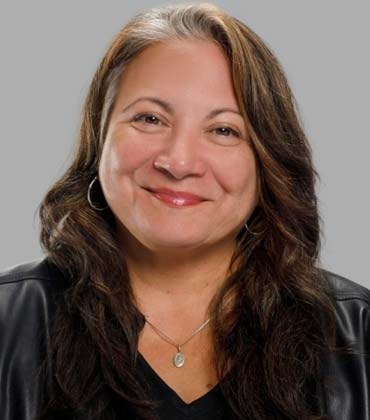
Nicky Ramos-Beban, chief academic officer at TUTORWORKS, is an education leader, a former English teacher and the founding principal of East Palo Alto Academy and Small Schools by Design.
Law Schools

Navigating the Challenges in Higher Education Facility Management
Jason Estacio, Director of Facilities and Operations, Stanford Law School
Boarding Schools
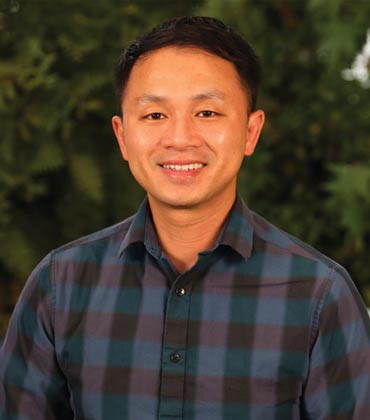
Building Career Pathways in Biotechnology
Luwei Xie, Adjunct Faculty Member, University of San Francisco
Training Institutions
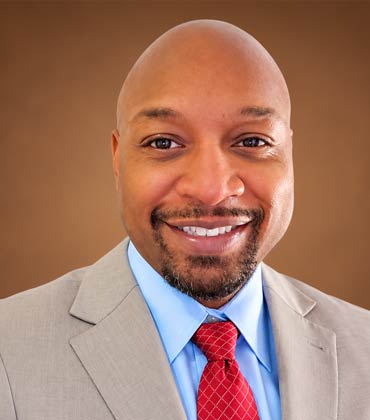
Delivering Exemplary Customer Service in K-12 Technology: Auditing the Experience for Teachers, Students, and Parents
Charles Franklin, Assistant Superintendent of Technology services & Information services, Cypress-Fairbanks ISD
Business and Management Schools
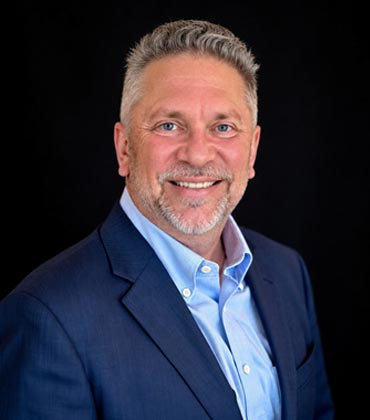
Beyond AI: Building the Institutional Capabilities for Smart Enterprise in Higher Education
Patrick Laughran, Chief Information Officer, Framingham State University
Professional Development Services
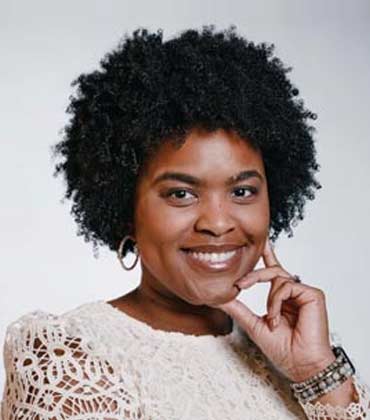
Cultivating Genuine, Communicative Leadership in Higher Education
Nadia Campbell, Director of the Chidsey Program for Leadership Development, Davidson College
IN MY OPINION
School Services
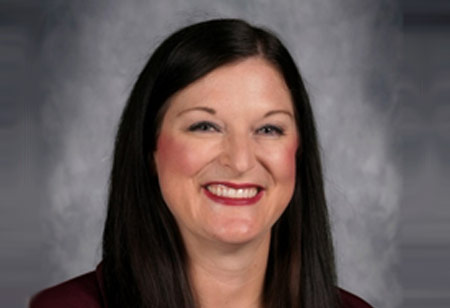
Creating the Conditions for Student and Staff Success
Dr. Allison Jonas, Superintendent, Gothenburg Public Schools
LAST WORD
Tech Universities and Colleges
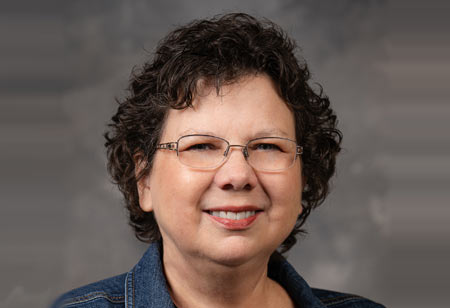
A Computing Education for an Uncertain Future
Sarah Bassett Lee, Professor and Director, School of Computing Sciences and Computer Engineering, The University of Southern Mississippi
IN FOCUS
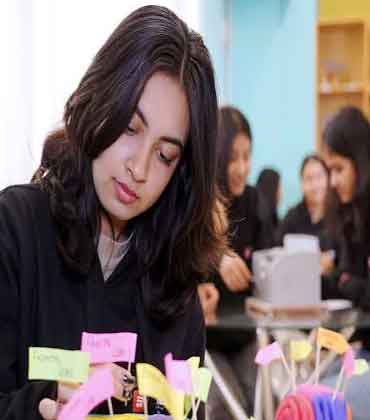
Holistic Learning: How Liberal Arts Colleges Shape Versatile Graduates
Liberal arts colleges stand out through interdisciplinary learning, strong mentorship, close communities, and holistic development that fosters adaptable, thoughtful, and versatile graduates.

Teacher Observation and Development Tools for Continuous Educational Growth
Teacher observation and development tools support instructional excellence through structured feedback, data insights, collaboration, and continuous professional growth.
EDITORIAL
Preparing Students for What Comes Next
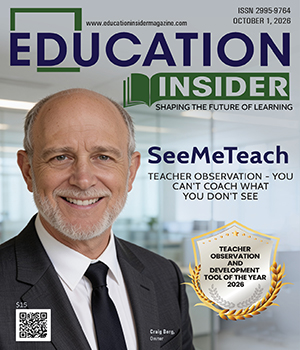
Our cover story features SeeMeTeach, recognized as the Teacher Observation and Development Tool of the Year 2026. Developed from Craig Berg’s experience conducting more than 1,500 classroom observations, SeeMeTeach captures high-resolution evidence on questioning, participation, engagement and teacher-student interactions. The platform gives teachers and coaches a stronger foundation for professional conversations and development.
Also recognized is Brevard College, the Liberal Arts College of the Year 2026. The college’s relationship-driven approach brings together small classes, faculty mentorship and experiential education, while its Brevard Career Advantage program helps students connect their academic choices with career preparation. Lincoln Law School of San Jose, the Top Law School 2026, offers a four-year evening J.D. program designed for working adults and others with significant responsibilities, allowing them to pursue legal education while staying engaged in their careers and communities.
Nicky Ramos-Beban, Chief Academic Officer at TUTORWORKS, Inc., is recognized as one of the Top 10 Chief Academic Officers 2026. Her work focuses on smaller, relationship-driven school structures built around cohorts and advisory, creating an environment where students can be known, supported and connected to the people around them.
The issue also features Charles Franklin, Assistant Superintendent of Technology Services & Information Services at Cypress-Fairbanks ISD, who focuses on innovation, strategic planning, process development and effective technology solutions. Jason Estacio, Director of Facilities and Operations at Stanford Law School, emphasizes hands-on facility management, user feedback, careful planning and versatile teams.
Taken together, these perspectives show how education continues to balance strong foundations with the need to adapt to students’ changing needs. We invite our readers to explore the perspectives in this issue and consider how schools and institutions can create learning environments that help students move confidently toward what comes next.

