
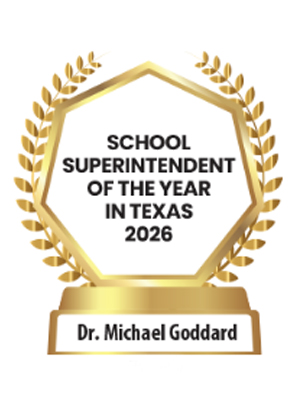
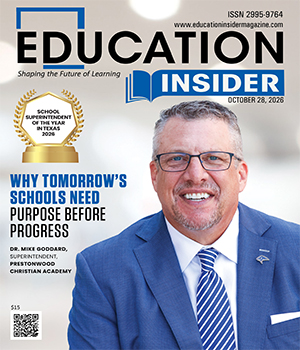
When Dr. Michael Goddard walks through the halls of Prestonwood Christian Academy (PCA), he does not see classrooms, enrollment numbers, or operational challenges. He sees names, stories, and opportunities. For Goddard, who has served as Superintendent of two public school districts—Lovejoy and Red Oak—as well as Assistant Superintendent at Prosper and now Superintendent of PCA, education has never been simply about preparing students for the next test, degree, or career milestone. It is about preparing them for a world that is changing faster than ever while helping them remain anchored in who they are and what they believe. That philosophy has shaped a career that spans nearly three decades across public and private education. Before leading PCA, Goddard spent approximately 20 years in public education, beginning as a speech and debate teacher before moving through roles as a school leader, assistant principal, dean of students, and principal. The transition into Christian education six years ago marked a new chapter, but the underlying mission remained familiar: helping young people discover their potential and use it meaningfully. Today, Goddard views his role less as an administrator and more as a steward of a mission entrusted to him for this season of leadership. “I’ve always felt like my role as a superintendent is really about stewardship — how I’m entrusted with people, students, resources, and a mission,” says Goddard. “We have a short window of time with students to be able to fulfill that mission with them.” That mindset influences every aspect of his leadership, from academic strategy and technology investments to teacher development and school culture. At a time when education leaders are navigating unprecedented change, Goddard’s approach is built around a simple idea: institutions must evolve without losing sight of why they exist in the first place. Preserving the Foundation While Preparing for the Future Th
High Schools
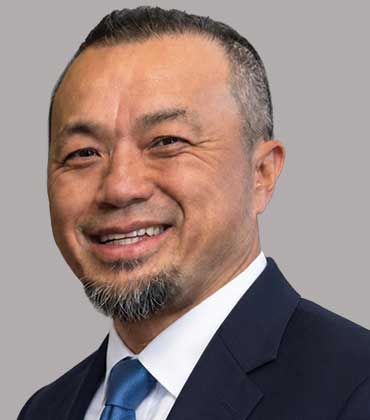
For an international student, starting high school in the U.S. can mean finding their footing in a new country, getting comfortable in a new language and adjusting to a different way of learning—all while preparing for the college experience that awaits them. The Academy at MiraCosta (TAM) offers a bridge for this transition, combining personalized high school instruction with early exposure to college-level learning. As students become academically ready, college courses become part of their individualized program, allowing them to begin earning college credit while completing high school. Many students take courses at MiraCosta College in Oceanside, California, gaining firsthand experience with American college life. The academy welcomes students on F-1 visas from many countries and at various levels of English proficiency. “Our program is virtually customized to each student,” says Michael Vu, principal. The individualized attention starts months before students arrive, in an online meeting to discuss goals, family background, intended major and even allergies. A second conversation follows once the visa is approved, then weekly check-ins after arrival. Because TAM serves international students from different educational systems, teachers recognize that students arrive with a wide range of academic backgrounds and perspectives. A student educated in the U.S., for example, may have learned from an early age that George Washington was the nation’s first president, while an international student may be learning U.S. history for the first time while bringing knowledge of the history and culture of their own country. TAM teachers meet students where they are, providing the context they need while building on the knowledge and experiences they already bring to the classroom. Small classes—sometimes with just one, two or three students—make that level of individual attention possible.
Public Schools
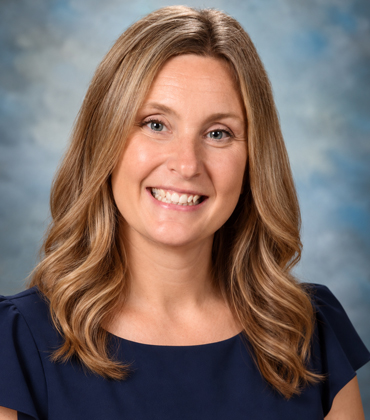
At World Compass Academy, middle school is viewed as a time when students begin discovering not only what they can learn, but also who they can become. Located in Castle Rock, Colorado, the school has built its approach around academic achievement, meaningful relationships, and preparing students to understand an increasingly connected world. For Principal Bethany Merkling, one of the most important skills students can develop is global competency. The school believes that students need more than strong academic foundations; they also need the ability to communicate, collaborate, and appreciate perspectives beyond their own experiences. That belief is reflected in the school’s academic performance. World Compass Academy’s middle school students have achieved strong CMAS results, including percentile rankings of 95 in math, 95 in science, and 92 in reading. However, the school’s vision extends beyond test scores. It focuses on helping students become curious learners who are ready to engage with the world around them.
Medical School
Global healthcare depends on physicians who can adapt across systems, connect across cultures and care for communities that have long been underserved. For many international students, the path to becoming that kind of doctor begins far from home with unfamiliar systems, new expectations and the challenge of building resilience in real time. St. Martinus University (SMU) exists to guide students through this transformation, making them feel at home. Located in Curaçao, SMU prepares international medical graduates to succeed across borders. Its model blends academic rigor with personalized support, helping students grow into confident, compassionate professionals who bring both skill and empathy to the healthcare systems they serve. “Our mission extends far beyond the classroom,” says Danna Soria, MD, MSc, university vice chancellor and faculty of medicine. “What our students value most is the personal approach we take in supporting them as they develop not just as professionals, but as as purpose-driven individuals.” Personal Mentorship Meets Real-World Preparation SMU engages students through structured clinical observation, simulation-based learning and interaction with practicing physicians. These experiences build confidence and connect theory to practice, which are key to succeeding in clinical rotations and board exams like the United States Medical Licensing Examination (USMLE). It’s why most SMU students often pass the USMLE on their first try, prepared by the program's hands-on, focused approach. At the same time, students are immersed in a culturally diverse environment. Global rotations and international cohorts expose them to various health challenges, encouraging adaptability, cross-cultural awareness and a strong sense of social responsibility. This strengthens students' ability to serve multicultural and underserved communities with empathy and insight. Throughout this journey, faculty play an active, personal role. Many have walked similar paths as international graduates themselves. This shared experience fosters a trust culture and understanding. Faculty mentor students one-on-one, providing consistent academic counseling and reinforcing skills like time management, professionalism and emotional resilience, which are essential for long-term medical success.
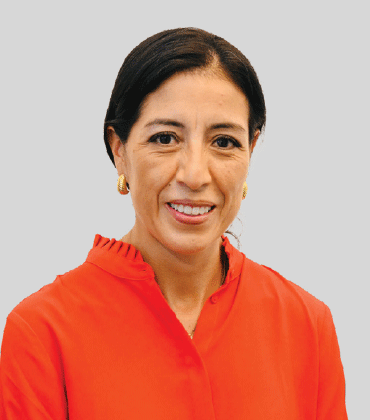
Top 10 Directors of Special Education - 2026
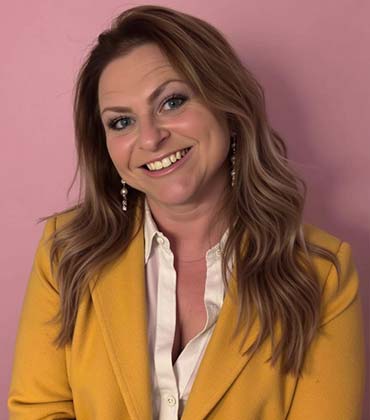
As Director of Special Education at Groveport Madison Schools, Amanda Bernowski oversees services for students aged 3 to 22 with a commitment to ensuring every learner receives the support they need to succeed. Guided by personal experience, a belief in inclusive opportunity and a focus on supporting educators, she works to create systems where students are seen for their potential rather than their limitations. My journey in education began with a goal of becoming a school principal. Behavioral challenges during my own school years shaped how I view leadership and the importance of helping students succeed, even when their path looks different from their peers. To pursue that goal, I became a high school English teacher before serving in leadership roles including assistant principal, principal, charter school leader, special education coordinator and director of special education. Experience across charter, urban, suburban, rural and private schools broadened my understanding of student needs and educational systems. The most significant influence on my leadership philosophy came through my family. My daughter was born with a congenital orthopedic impairment and later received special education supports through an Individualized Education Program. Becoming the parent of a child with unique needs transformed my perspective on supporting students and families. That experience strengthened a principle that guides every decision I make. If a service is not good enough for my child, it is not good enough for someone else’s child. It also shaped another belief that guides my work. Educational decisions should begin with what students need, not simply what is easiest, most convenient or already available. Supporting Students by Supporting Educators Today, at Groveport Madison Schools, I oversee special education services from preschool through age 22. Managing such a broad continuum has highlighted the importance of understanding student needs at ever
School Services

Tech Breaks are Essential in School
Robert Dillon, Director of Innovative Learning, School District of University City
Catholic Schools
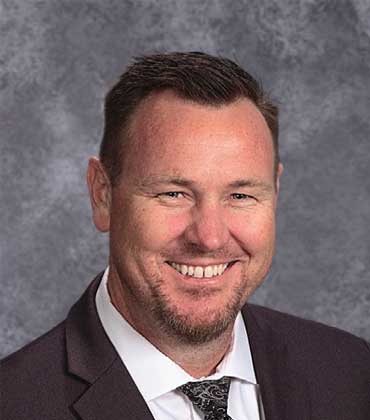
The Human Operating System: Rethinking Tech Leadership in Schools
John Morgan, Ed.D., Director of Technology, Menifee Union School District
Community Colleges
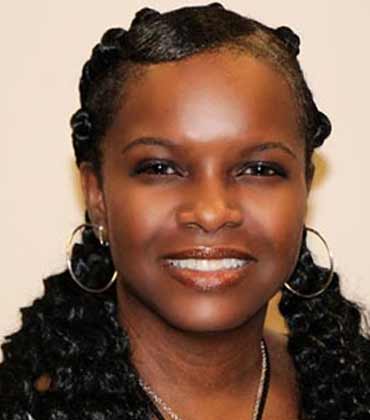
Purposeful Leadership Through Professional Development
Toni M. Shelton, Manager, Office of Professional Development, Facility Management Department, Denver Public Schools
IN MY OPINION
Special Education Schools
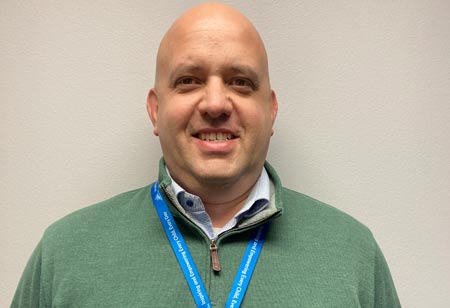
Supporting Self-Regulation Through Visual Art Practices
Joy Davis, Director of Special Education, Twin Rivers Unified School District
LAST WORD
Charter Schools
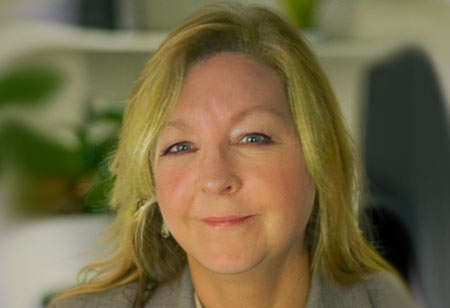
Embrace ChatGPT and reap the benefits of AI technology in the classroom
Kris Hagel, Chief Information Officer, Peninsula School District
IN FOCUS

Evolving Public Middle School Operations for Sustainable Progress
Sustainable operations help public middle schools align resources, technology, staffing, facilities, and educational priorities effectively.
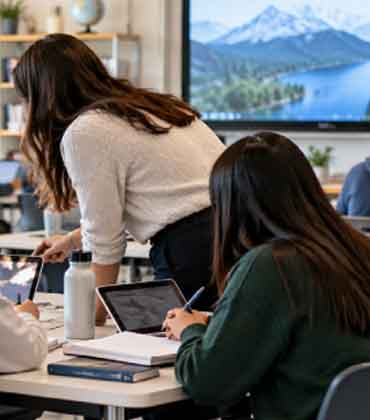
Academic Standards: Driving Progress across Accredited High Schools
Accredited high schools strengthen education through quality standards, personalized learning, student support, technology, career guidance, assessment and continuous improvement.
EDITORIAL
Education Leadership That Balances Purpose, Progress and Student Needs
Prestonwood Christian Academy Superintendent Dr. Mike Goddard has spent nearly 30 years working in public and private education. Recognized as the School Superintendent of the Year in Texas 2026, he believes schools can move forward while keeping their core values in focus. At PCA, that means continuing to develop academic programs and support teachers while ensuring that relationships and character remain central to students’ education.
The schools featured in this edition take different approaches to student success. The Academy at MiraCosta, named Top Accredited High School 2026, allows international students to take college courses while completing high school, with staff guiding them through academic demands and life in the U.S. Amanda Bernowski, Director of Special Education at Groveport Madison Local School District, recognized as one of the Top 10 Directors of Special Education 2026 recognition, emphasizes presuming competence, supporting educators, and expanding meaningful choices for students with disabilities. World Compass Academy, named Top Public Middle School 2026, combines strong academic performance with language learning, cultural awareness, and meaningful relationships. Explore Academy, named Top Public Charter School 2026, allows students to choose course themes and demonstrate their understanding while maintaining clear academic standards.
The issue also examines what helps students feel ready to learn. Joy Davis, Director of Special Education at Twin Rivers Unified School District, explains how visual art activities, including drawing and pattern-making, can help students regulate their emotions and focus in the classroom. Kris Hagel, Executive Director of Learning and Innovation at Peninsula School District, describes how teachers can use ChatGPT to develop learning materials, encourage students to question AI-generated content, and devote more time to individual support.
Together, these stories show how educators are translating their priorities into practical approaches that support academic progress, personal development, and individual student needs. We invite readers to explore the featured articles and discover how these approaches are shaping learning in schools.

