

Amanda Bernowski
Seeing Students through the Lens of Possibility
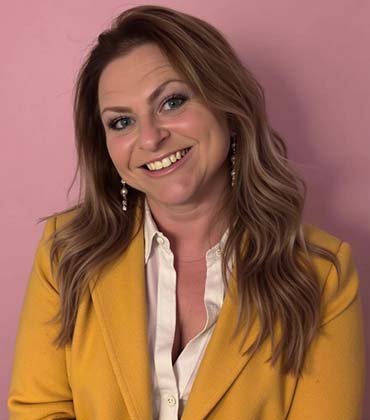
As Director of Special Education at Groveport Madison Schools, Amanda Bernowski oversees services for students aged 3 to 22 with a commitment to ensuring every learner receives the support they need to succeed. Guided by personal experience, a belief in inclusive opportunity and a focus on supporting educators, she works to create systems where students are seen for their potential rather than their limitations.
My journey in education began with a goal of becoming a school principal. Behavioral challenges during my own school years shaped how I view leadership and the importance of helping students succeed, even when their path looks different from their peers.
To pursue that goal, I became a high school English teacher before serving in leadership roles including assistant principal, principal, charter school leader, special education coordinator and director of special education. Experience across charter, urban, suburban, rural and private schools broadened my understanding of student needs and educational systems.
The most significant influence on my leadership philosophy came through my family. My daughter was born with a congenital orthopedic impairment and later received special education supports through an Individualized Education Program. Becoming the parent of a child with unique needs transformed my perspective on supporting students and families.
That experience strengthened a principle that guides every decision I make. If a service is not good enough for my child, it is not good enough for someone else’s child. It also shaped another belief that guides my work. Educational decisions should begin with what students need, not simply what is easiest, most convenient or already available.
Supporting Students by Supporting Educators
Today, at Groveport Madison Schools, I oversee special education services from preschool through age 22. Managing such a broad continuum has highlighted the importance of understanding student needs at every developmental stage while ensuring educators have the support necessary to meet those needs effectively. Effective leadership requires continuous learning. Student needs, regulations and educational practices evolve constantly, making it essential to stay informed across all age groups and service areas.
Preschool special education has been one of the biggest learning experiences of my career. Unlike academically focused pre-kindergarten programs, special education preschool emphasizes social, communication, behavioral and life skills. Students are often supported by multidisciplinary teams including therapists, behavioral specialists, intervention staff, paraprofessionals and teachers. Those early interventions help build a foundation for future success.
Student success depends on educator success. Because educators are managing increasingly complex student needs, one of my core leadership priorities is ensuring staff has manageable workloads, appropriate resources and the support needed to succeed. Taking care of educators is one of the most effective ways to take care of students.
A strong school culture matters just as much as the services we provide. I often describe this work as an ecosystem. Students experience school through their peers and the adults who support them. Helping students feel safe, valued and connected requires authentic relationships and educators who understand inclusion, learning differences and their responsibility to advocate for students. When adults embrace that responsibility, belonging becomes the norm rather than the exception.
Expanding Choice and Opportunity
One issue I have consistently focused on is expanding opportunities for students with disabilities, especially those who need the highest levels of support. I have spoken nationally through the Council for Exceptional Children and at the state level on issues related to special education, and one topic that consistently stands out is student choice.
Students with intensive needs should have the same opportunities as their peers to explore interests and shape their educational experiences. I have worked to adapt schedules and programs so those choices reflect student preferences and goals rather than assumptions about what they should do.
That same philosophy has shaped broader systems-level work, including evaluating and redesigning special education continuums, service models and procedures to improve compliance while creating better outcomes for students. Whether expanding access, improving systems or challenging assumptions, the goal remains the same, creating meaningful opportunities while recognizing student potential.
I regularly emphasize presuming competence. Too often, educational conversations begin with limitations rather than possibilities. Different does not mean less. Students deserve opportunities to stretch themselves, develop independence, build relationships and demonstrate abilities that others may not initially recognize.
Preparing for the Future of Special Education
The next several years will bring significant challenges for special education leaders, but they will also create opportunities to rethink how we recruit, retain and support staff. Staffing shortages continue to affect districts as increasing mental health needs and rising autism diagnoses create greater demands on special education services. As student needs become more complex, schools require more specialized personnel even as recruitment and retention become more difficult.
“We presume competence in every learner and create opportunities for students to stretch themselves, develop independence and demonstrate abilities that others may not recognize.”
At Groveport Madison Schools, I am focused on strengthening recruitment and retention through both relationship-building and workforce development. That includes adapting hiring practices to better connect with today’s candidates while creating pathways for high school students to gain experience in special education and potentially enter paraprofessional roles after graduation. Existing paraprofessionals are also encouraged to pursue additional credentials and expanded career opportunities, helping build a stronger long-term workforce.
Creative solutions, including grants, partnerships, volunteer support and workforce initiatives, will be essential. Special education leadership requires balancing compliance, resources, staffing and student needs without losing sight of the mission.
My advice to future leaders is simple. Know the law, stay informed, continue learning and never lose sight of the individual child behind every decision.
As educational systems evolve, my focus remains unchanged. Every student deserves to be seen through the lens of possibility. When schools presume competence, support educators and provide meaningful opportunities, they create environments where every learner can thrive.

Get the best of Education Insider delivered directly to you.
