


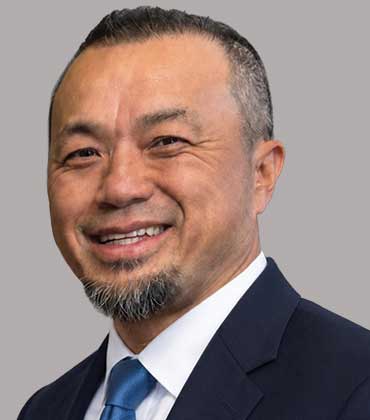
 Michael Vu, Principal
The Academy at MiraCosta (TAM) offers a bridge for this transition, combining personalized high school instruction with early exposure to college-level learning. As students become academically ready, college courses become part of their individualized program, allowing them to begin earning college credit while completing high school. Many students take courses at MiraCosta College in Oceanside, California, gaining firsthand experience with American college life. The academy welcomes students on F-1 visas from many countries and at various levels of English proficiency.
“Our program is virtually customized to each student,” says Michael Vu, principal.
The individualized attention starts months before students arrive, in an online meeting to discuss goals, family background, intended major and even allergies. A second conversation follows once the visa is approved, then weekly check-ins after arrival.
Because TAM serves international students from different educational systems, teachers recognize that students arrive with a wide range of academic backgrounds and perspectives. A student educated in the U.S., for example, may have learned from an early age that George Washington was the nation’s first president, while an international student may be learning U.S. history for the first time while bringing knowledge of the history and culture of their own country. TAM teachers meet students where they are, providing the context they need while building on the knowledge and experiences they already bring to the classroom. Small classes—sometimes with just one, two or three students—make that level of individual attention possible.
High School Meets College Life
Schedules are tailored to each student’s needs. A typical concurrent-enrollment arrangement can leave students to work out the college schedule on their own. The Academy at MiraCosta flips that model. TAM coordinates each student’s high school and college coursework as part of one individualized academic plan. As students demonstrate readiness, they begin taking college courses that match their abilities, interests and future goals. This also gives students access to a broader range of courses than a traditional high school alone can typically provide.
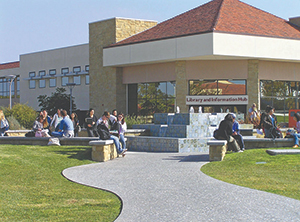 A student who excels in math, for example, is not limited to the relatively small number of math courses typically available in a high school sequence. Through college enrollment, students can access a much broader range of math courses and move into the course that best matches their ability and academic goals. A student who is ready to advance can begin college-level math while still in high school, earning high school credit while also building a college transcript.
For students who later complete an associate degree and meet Transfer Admission Guarantee (TAG) requirements, there may also be a guaranteed pathway to one of the participating University of California campuses. Finishing transferable credits early can also reduce future tuition and housing costs, depending on a student’s eventual degree path.
The goal isn’t just accumulating college credit, but learning to function as a college student while TAM staff are still close enough to guide the transition. Navigating college-level classes while in high school teaches students to communicate with professors, ask for help, manage their time and use available academic resources on their own.
-
It’s the best of all worlds. Students receive a personalized, structured high school education while taking college courses, with the residence and our team providing support throughout their academic journey.
“It’s the best of all worlds,” Vu adds. “We have the residence, a structured high school program and opportunities for students to experience college life while still receiving the support they need.”
That support continues beyond the classroom. Most students live in TAM’s nearby student residence, where residential staff work closely with the academic team to follow each student’s progress, wellbeing and adjustment to life in the U.S. Regular communication between teachers and residence staff helps the team recognize concerns early—whether a student is struggling academically, adjusting socially or simply missing home. Parents are kept informed, creating a connection between the student’s academic, residential and family support systems.
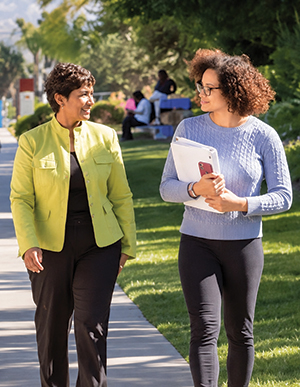 From the time students arrive, TAM organizes activities to help them settle in, get to know one another and feel comfortable with the team. Activities such as a welcome barbecue and karaoke, a San Diego tour, beach outings and other group events give students a chance to connect outside the classroom, build friendships and become more familiar with their new surroundings. Students are also encouraged to participate in clubs and other campus activities, giving them opportunities to meet American students, practice English outside the classroom and become more involved in college life.
Expanding Without Losing the Personal Touch
Vu remains mindful about expansion, which, if done carelessly, could undermine the individualized scheduling, small classes and care students receive. The academy wants to remain small enough for staff to know students personally and preserve the individual attention the model depends on.
He envisions welcoming students from more countries while keeping the experience personal, with individualized academic pathways, early college credit and a connected academic and residential support system built around each student. It is this balance of opportunity and personal attention that Education Insider has recognized in naming The Academy at MiraCosta its Top Accredited High School for 2026.

