
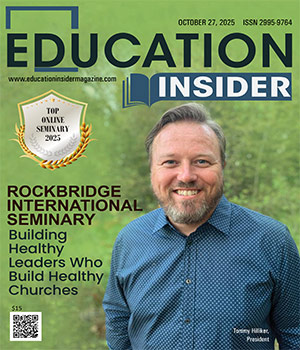
"Love the Lord your God with all your heart and with all your soul and with all your mind.” This is the first and greatest commandment. And the second is like it: “Love your neighbor as yourself.” (Matthew 22:37–39) The Great Commandment is simple in words yet demanding in practice. For those called into ministry, it means long hours, unseen sacrifices, and a relentless devotion to serving both God and people. Alongside the spiritual weight, many also shoulder the practical challenge of pursuing theological training with limited resources. That reality was all too familiar to Pastor Jophiter Obasi of rural Uganda. With no computer and little money, he often received unconventional offerings (even chicken!) as payment for his service from his church. Yet Pastor Jophiter's determination to study theology never wavered. He once walked a full day to reach a post office where he could print the course materials. After sleeping on the ground overnight, he made the long trek back carrying the heavy stack of lessons. Jophiter Obasi’s perseverance inspired Rockbridge Seminary; an online institution dedicated to equipping servant leaders. They stepped in and provided him with a laptop so that he could continue his calling without interruption. Stories like his embody why Rockbridge International Seminary was founded in 2002. From the beginning, it was envisioned as a seminary without walls, created entirely online so that training could be accessible to anyone, anywhere. Rooted in the Great Commandment and the Great Commission, Rockbridge equips shepherd-hearted leaders for vocational ministry without requiring them to step away from their families, congregations, or careers. Designed for men and women already serving in ministry, its fully online and accredited model allows students to remain deeply engaged in their callings while receiving high-quality theological education. “Our education model is designed to be accessible, affordable, flexible and Christ-centered training, allowing students worldwide to deepen their knowledge and skills without leaving their local context,” says Tommy Hilliker, president. Education Built Around Life and Ministry Rockbridge’s model is intentionally created for adult learners who juggle church responsibilities, family, and work. Each course runs on an eight-week schedule in a fully asynchronous format, enabling students to study when it fits their personal schedule. Every course is grounded in the Great Commandment and the Great Commission: worship, fellowship, discipleship, ministry, and evangelism. These five purposes shape every discussion, assignment, and application, ensuring that learning is never abstract but always tied to real-world impact. Students write papers, engage in online reflection forums, and practice the lessons learnt within their local ministries, staying rooted in their callings while being formed spiritually, theologically, and missionally. The classes guide students through the theology of evangelism, helping them apply gospel principles in the unique contexts of their own ministries. They examine the theology of fellowship, exploring what it truly means to be the body of Christ and how divine community differs from ordinary friendship. In the study of discipleship, students learn not only how to nurture spiritual growth in others but also how to build and multiply disciples effectively. Worship is framed as a lifestyle, a posture of communion with God expressed in work, family life, and daily routines. Alongside these practical and relational themes, students engage with the traditional seminary canon. They study the Old and New Testaments, hermeneutics, biblical interpretation, and ministry practices, all integrated into Rockbridge’s mission to form leaders who are both theologically grounded and practically equipped.
Top Catholic High School 2025
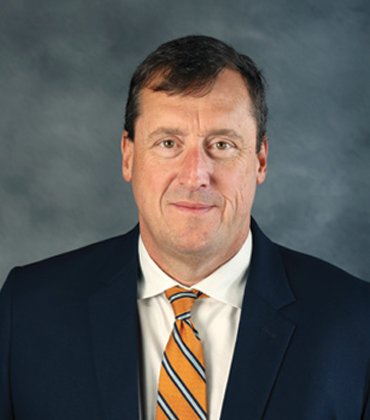
Faith and learning both ask for discipline, effort and reflection. Each grows through practice and a readiness to take meaning from every experience. These qualities shape the mission of St. Patrick Catholic High School. Serving students in grades 7 to 12 across the Catholic Diocese of Biloxi, St. Patrick is a coeducational, college-preparatory school built on the belief that strong academics and faith strengthen one another. In this environment, students grow in intellectual excellence while forming moral character. “Our Christian faith is part of everything we do,” says Paul Knapstein, principal. “That foundation helps us build trust and real relationships in the classroom.” Prayer begins every class, a daily reminder that learning is sacred work. Lessons grow from that center rather than sit apart from it. Teachers draw connections so science reveals complexity, literature illuminates human nature and mathematics reflects an ordered universe. They combine rigor with close guidance, urging students to aim high while discovering how knowledge, character and purpose are linked. In practice, this takes shape across subjects. Physics experiments uncover the mathematical order in creation. History asks students to wrestle with the ethical weight of past decisions. Robotics teams build and program machines with an eye toward how technology can serve the common good. That robotics work becomes a proving ground for these values. Students design, code and compete in four national STEM programs, earning recognition at the state level and frequent placements at international science fairs. Watch them at work and you see patience shaped by prayer, collaboration shaped by service and innovation focused on impact beyond themselves. Academic results show how deeply this approach works. Middle school students recorded the school’s highest scores in science and reading on the Iowa Basic Skills Test. ACT performance continues to rise. In Advanced Placement (AP) Calculus, 85 percent of students earned a score of four or higher and since the return of AP courses, the number of AP Scholars has increased yearly. Achievement at St. Patrick is broader than test scores. The new SJC Program offers structured academic support while keeping students fully engaged in school life. One graduate who faced profound personal tragedy found mentors who walked with her and recognized her potential. She completed school with honors and now studies at an Ivy League university.
Top Architecture and Design School 2025
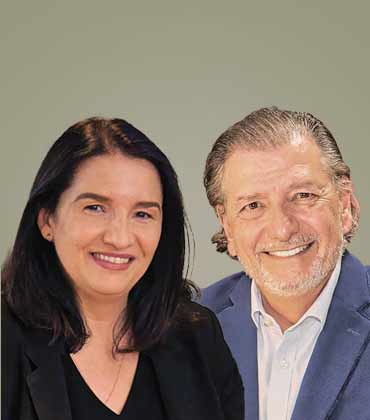
Walk into a classroom at NewSchool of Architecture & Design, and you will immediately sense that this is not a traditional academic setting. Students sketch and model, but they are also testing ideas with AI, sharing resources from the cloud, and debating how their work might reshape a city, protect a wetland, or improve lives on the other side of the world. The energy feels less like a lecture hall and more like a laboratory for the future. This spirit of reinvention has become the hallmark of NewSchool’s ongoing transformation. Based in San Diego, California, the institution places itself at the forefront of Architecture, Construction Management, and Design by blending digital innovation, global collaborations and sustainable practices . NewSchool of Arctitecture & Design is simply redefining the future of what Architecture and Design education will be. An innovation mindset with technological skills are at the heart of this vision. NewSchool has embraced a digital-first approach, where lectures, assignments, and design tools are fully integrated into the cloud. This move makes knowledge accessible anywhere and positions artificial intelligence as a partner in learning. Students are encouraged to use AI to explore ideas, test limits, and expand creative horizons. Daniela Deutsch, dean of the school of architecture, explains, “We are actively shaping the future of architectural education in ways that will prepare our students for the global challenges and opportunities ahead.” While technology drives change, NewSchool’s identity rests on a deeper principle of challenging the status quo. The school embraces its role as both a mirror and a critique of the architectural profession, constantly questioning whether enough is being done to address the pressing issues of our time. This philosophy is evident in the Integrated Design Studio, where more than seventy students collaborated with the UC San Diego Natural Reserve System on a new master plan for the Kendall-Frost Marsh, the city’s last remaining wetland. Their proposals balanced ecological preservation with public access, giving policymakers a new perspective on urban resilience. The project demonstrated how architecture students can influence civic debates and reimagine the role of design in shaping just and sustainable cities.
Farm Education Programs Provider of the Year 2025
Children raised in cities have little or no awareness of the everyday rhythms of farm life. Planting seeds, gathering eggs or caring for animals are not part of their lives. Yet a single day on a working farm has the power to make an impression. The crack of a shell as a chick hatches or the sight of sheep grazing nearby creates memories that stay with children long after they return home. For 35 years—reaching its milestone this January—Quiver Farm Projects has been making those encounters possible. The family-owned education company began on a modest, 10-acre farm as a chick-hatching project and has grown into a mission-led effort that brings hands-on farm programs to students and families. What hasn’t changed is the spirit. Every program is designed to mix wonder with learning in ways that are natural, joyful and impressionable. “We’re not just bringing animals to people,” says Rebekah Kallatch, president. “We’re creating moments children carry with them for life. Animals connect with kids in ways nothing else can, and through those connections we’re able to share lessons that reach far beyond the classroom, shaping how they see and experience the world.” An Incubator that Grew into an Educational Mission When a preschool class wanted to try hatching chicks and no one else would provide eggs for such young children, Kallatch’s mother, Peg Hailey, then a nurse, said yes. She set up the incubator, explained the steps and returned at week’s end to collect the chicks. She found the children holding the tiny birds. The spark in their eyes was a reminder that some lessons can only be learned through experience. At the Haileys’ kitchen table, the experience sparked a bigger idea. Could this be more than a one-time favor? After reaching out to local schools to gauge interest, the program was so well-received that Mrs. Hailey decided to leave her nursing career to pursue this program as a small business. The chick-hatching project soon became the first of many. In each preschool classroom, children received eggs during the final week of incubation and carefully turned them each day until the shells began to crack. Teachers were given simple instructions not to turn them on weekends. To spark curiosity, presenters set up incubators and led a kickoff session, mimicking the sounds and behaviors of roosters and hens to capture young imaginations. If a hatch failed, the team returned with new eggs to try again. That guarantee, combined with the magic of watching life emerge, earned schools’ trust and set the foundation for partnerships that would last decades.
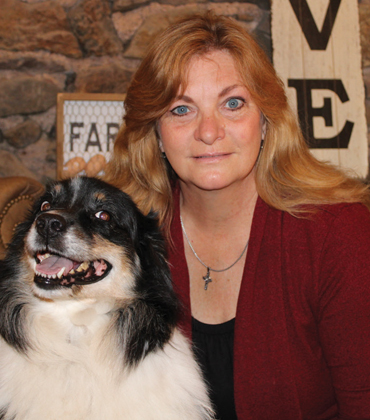
Top Math Tutoring Services 2025
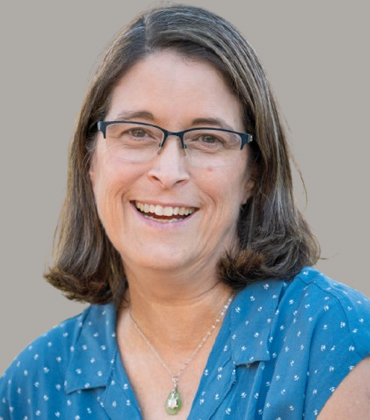
When Sharon Canaday began tutoring in 2020, it was less the result of a carefully laid business plan than of circumstance. A classroom teacher who had seen firsthand the challenges of traditional education, she was exploring new ways to support students when schools were in upheaval. What started as a stopgap quickly became a passion. Tutoring, she discovered, offered the chance to tailor every lesson to one child, in real time. From that discovery, TurningPoint Math was born. At the heart of TurningPoint Math is a simple belief that one-on-one instruction is the most effective way to help students thrive in mathematics. Canaday had always been an educator who cared deeply about her students’ progress, but in tutoring, she witnessed breakthroughs that underscored the power of individualized attention. One student, for instance, began working with her at the level of a first grader and, within three years, was excelling in high school geometry despite also being on the autism spectrum. These transformations were not isolated cases but part of a larger truth that children often need a more personal, flexible approach than traditional models can provide. Unlike big-box tutoring agencies, TurningPoint Math emphasizes depth over volume. The company’s sessions are built around the nationally respected RightStart Math curriculum, prioritizing conceptual understanding over rote memorization. Students are guided not just through procedures but through the reasoning behind them. The foundation is critical because many children advance through grade levels without mastering the basics of number sense and place value. TurningPoint Math helps students unlock their ability to progress rapidly by filling those gaps. One child who had struggled in third grade was coached intensively on number sense over the summer. By the time he returned to school, his mother reported he had gone from the bottom of his class to being the peer that other students turned to for help. This focus on building an accurate understanding extends to the tutors themselves. Canaday is selective about who she brings onto her team, insisting that every educator must have a genuine passion for mathematics. Many of her tutors are former classroom teachers; some are now home with young children, while others are retired but eager to stay engaged. She has even recruited a longtime friend who lacked formal teaching credentials but demonstrated a clear teacher’s heart. “If a potential tutor don’t light up when they talk about math, I’m not interested,” Canaday explains. That insistence on enthusiasm has become a hallmark of the company. The tutor’s passion, she believes, is contagious. When students sense genuine excitement for the subject, they are more likely to engage with and adopt that enthusiasm.
Christian Colleges

Three Considerations for Institutions Before Signing with a Tutoring Company
Leah Simpson, Executive Director of Online Learning, KCTCS
Christian Colleges

Transforming Sustainability: A Path to Reducing Waste and Supporting Students
Ginnie Dunleavy, Executive Director of Auxiliary Services, Rhode Island School of Design
Christian Colleges

Rethinking Education in the Age of AI
Rick Upchurch, Associate Vice President E-Learning and Educational Innovation, Belhaven University
Public Schools

Building a Culture of Belonging in Co-Curricular Activities
Jason Alexander Knighton-Johnson, Director of Educational Equity, Mounds View Public Schools
Christian Colleges
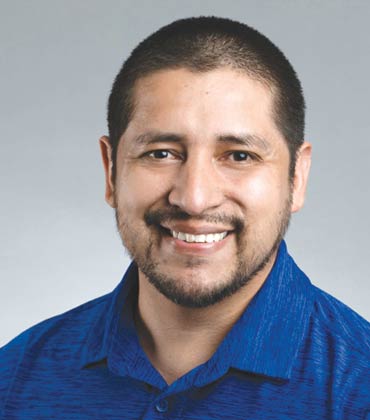
Redefining Classroom Experiences With Digital Tools
Amos Gutierrez, Director of Instructional Design, Adams Center for Teaching and Learning, Abilene Christian University
Essay Coaching
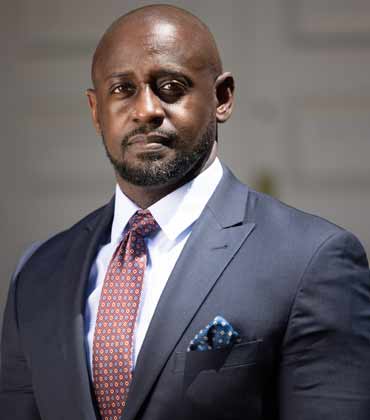
Coaching, Not Compliance: The Future of Principal Support
Dr. Andre C. Samuels, Adjunct Professor, Education Policy, American University
Christian Colleges
Ushering in a New Era of Higher Education
Dr. Anastasia Wickham, PhD, Provost and Chief Academic Officer, Reach University
Christian Colleges

Equity Is the Foundation
Susanne Nobles, Chief Academic Officer and Lead Strategy Officer, ReadWorks
Christian Colleges

Leading the Future of Higher Education with Equity and Bold Leadership
James Bennett, Chief Academic Officer, Ameritas College
Christian Colleges

Creating Tomorrow's Success Today
John Yellowlees, Chief Academic Officer, Peninsula School District
Christian Colleges

Driving Educational Empowerment with Unwavering Commitment
Dr. Ying Iverson, Provost/Chief Academic Officer, VP of Academic Affairs, Westcliff University
Christian Colleges
Human-Centered Innovation in Higher Education
Valerie Martin Conley, former Vice President and Chief Academic Officer, St. Norbert College
Christian Colleges

Cultivating Innovations in Cannabis Agriculture
Michael Towey, Senior Vice President of Production and Infrastructure, Good Day Farm

IN MY OPINION
Private Colleges and Universities
How Christian Universities Can Lead In the Age of Artificial Intelligence
Jean Mandernach, Executive Director, Center for Innovation in Research and Teaching, Grand Canyon University

LAST WORD
Christian Colleges
Reframing Fidelity Toward Freedom in Teaching
Rebecca Tompkins, Director of Curriculum, Sycamore Community Schools
IN FOCUS

The Evolution of Instructional Models in Community Colleges
Community colleges are transforming higher education through Competency-Based Education and hybrid learning, fostering flexible, learner-centric models that enhance the skills and careers of adult learners and working professionals.
Gamified Farming Simulations as Pedagogical Tools for Agricultural Education
Gamified farming simulations merge agriculture, education, and technology, enabling hands-on learning about crop cycles, resource management, and sustainability through immersive, interactive platforms.
EDITORIAL
Cultivating Knowledge, Integrity and Creativity in a Digital Era
Technology is driving this momentum. Advanced digital platforms are enabling seminaries to deliver theological education to students worldwide with flexibility and depth. In agriculture, farm education programs are integrating field-based learning with data-driven sustainability practices that prepare future farmers to thrive in a changing climate. Architecture and design schools are fusing creativity with cutting-edge technology, inspiring learners to build sustainable, human-centered spaces for the future.
Catholic high schools continue to nurture holistic development through values-based education, combining faith, leadership and academic rigor to build compassionate, capable citizens. Meanwhile, math tutoring providers are leveraging AI-powered analytics and personalized learning systems to enhance comprehension and accelerate achievement across age groups.
This edition of Education Insider highlights the educators and institutions transforming the landscape of learning. By combining innovation with integrity, they are setting new benchmarks for academic excellence, reshaping teaching models and preparing students to meet the challenges of a globalized world.
It features thought leadership articles from industry experts, including Jean Mandernach, executive director at the center for innovation in research and teaching at Grand Canyon University and Rebecca Tompkins, Director of Curriculum, at Sycamore Community Schools. They share insights on the digital transformation of learning, learner engagement and the evolving methodologies that are redefining modern education.
We hope this edition offers valuable perspective, actionable ideas and a clearer view of the innovations, best practices and leaders shaping the future of learning across disciplines.

