

American University
Coaching, Not Compliance: The Future of Principal Support
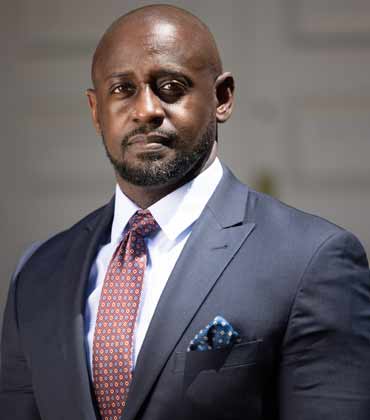
Dr. Andre C. Samuels
Dr. Andre C. Samuels is an adjunct professor at American University and a former principal with over a decade of K–12 leadership experience. He has led equity-focused professional development, policy instruction, and leadership coaching across school systems and government agencies. Dr. Samuels holds an Executive MBA in Leadership from Georgetown University and a Doctorate in Educational and Organizational Leadership from the University of Pennsylvania. His work bridges practice, research, and executive coaching to strengthen educational leadership at all levels.
Principal turnover remains one of the most under-discussed threats to public education. While considerable attention is given to teacher pipelines, academic reform, and student wellness, the stability and development of school principals—those tasked with navigating these challenges—receive far less focus. At a time when schools are managing unprecedented academic, behavioral, and emotional needs, principal stability matters more than ever. Principals influence every dimension of the school ecosystem— from instructional quality and staff retention to community trust and student achievement. When a high-performing principal leaves, it sends ripples throughout the system. The question then arises: Why do so many effective leaders exit prematurely?
A key part of the answer lies in how school districts approach leadership development. Most systems provide strong support for novice principals. Induction programs, mentorships, leadership institutes, and peer learning cohorts offer critical early scaffolding. However, as principals grow in skill and produce results, many find that developmental attention fades. Professional learning becomes increasingly compliance-driven, generic, and disconnected from the leader’s growth trajectory or lived context. This misalignment erodes what is referred to as affective commitment—the emotional attachment that a leader feels toward their organization. Affective commitment goes beyond loyalty or tenure; it encompasses a deep sense of purpose, connection, and the belief that one’s contributions to an organization are valued.
When district leaders fail to notice or inquire about the developmental goals of seasoned principals, they risk weakening the leader’s connection to the school district—though not necessarily to their school community. Once that emotional bond weakens, exit becomes increasingly likely.
“When principals see their growth reflected in the professional learning experience, they remain engaged.”
To counteract this trend, districts must stop viewing professional development as an episodic intervention. Instead, they must design systematized and integrative development models—grounded in theory, informed by research, and responsive to leader identity and experience. An integrative approach to leader development blends principles from intentional change theory, adult learning theory, and human-centered design. It must also allow space for leaders to pursue their self-identified growth goals. School network leaders are encouraged to draw from leadership theory, cognitive development models, and social identity theory, offering valuable insights into how school leaders grow and why they stay.
A System, Reimagined
1. Capacity Building
District leaders should prioritize principals’ individual leadership goals to the same degree as organizational goals, tapping into each principal’s unique development journey. Rather than anchoring every learning opportunity in shifting policy directives, districts should begin with a simple question: What does this leader need to grow? What challenges does this principal want to master? Development aligned with self-identified goals enhances ownership and relevance. When principals see their growth reflected in the professional learning experience, they remain engaged.
2. Integrate Multiple Theoretical Perspectives
No single framework can fully support principal development. That’s why a blended model—drawing on adult learning theory, intentional change theory, cognitive skill development, and social identity theory—is so powerful.
● Adult learning theory reminds school network decision-makers that experienced leaders require autonomy, relevance, and space for reflection.
● Intentional change theory centers on the leader’s personal vision and identity, offering a developmental arc rooted in purpose and feedback.
● Social identity theory helps explain why principals are more committed to institutions that affirm their values, culture, and professional identity.
3. Prioritize Human-Centered HR Practices
Districts must shift from treating principals as managerial operators to viewing them as organizational assets worthy of long-term investment. That investment begins by adopting high-impact, research-based development practices drawn from industries beyond education. For example:
● Developmental Coaching: Ensure seasoned leaders have access to executive leadership coaching, provided in partnership with—but not facilitated by—their evaluator, to promote critical thinking, problem-solving, and reflective analysis of their behavior and leadership style.
● Growth-Based Evaluation: Shift performance conversations away from mere compliance and toward continuous personal and organizational improvement.
● Differentiated Learning Pathways: Tailor professional learning to account for context, tenure, and career aspirations.
● Recognition Systems: Publicly and meaningfully affirm leadership excellence—especially for those who remain committed over time.
4. Embed Reflection and Inner Work
Leadership is not only technical—it is deeply personal and adaptive. It requires intrinsic motivation, values alignment, and a strong sense of direction. Principal supervisors and leadership development teams must create space for principals to engage in reflective practices and continuously explore their leadership identity. Ongoing opportunities for collaborative reflection sessions, guided inquiry, and values-based exploration are essential components of effective leadership development.

Get the best of Education Insider delivered directly to you.
