


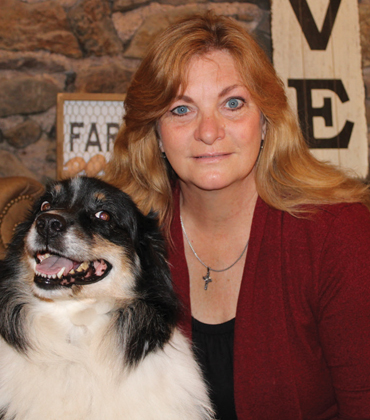
 Rebekah Kallatch, President
For 35 years—reaching its milestone this January—Quiver Farm Projects has been making those encounters possible. The family-owned education company began on a modest, 10-acre farm as a chick-hatching project and has grown into a mission-led effort that brings hands-on farm programs to students and families. What hasn’t changed is the spirit. Every program is designed to mix wonder with learning in ways that are natural, joyful and impressionable.
“We’re not just bringing animals to people,” says Rebekah Kallatch, president. “We’re creating moments children carry with them for life. Animals connect with kids in ways nothing else can, and through those connections we’re able to share lessons that reach far beyond the classroom, shaping how they see and experience the world.”
An Incubator that Grew into an Educational Mission
When a preschool class wanted to try hatching chicks and no one else would provide eggs for such young children, Kallatch’s mother, Peg Hailey, then a nurse, said yes. She set up the incubator, explained the steps and returned at week’s end to collect the chicks. She found the children holding the tiny birds. The spark in their eyes was a reminder that some lessons can only be learned through experience.
At the Haileys’ kitchen table, the experience sparked a bigger idea. Could this be more than a one-time favor?
After reaching out to local schools to gauge interest, the program was so well-received that Mrs. Hailey decided to leave her nursing career to pursue this program as a small business. The chick-hatching project soon became the first of many. In each preschool classroom, children received eggs during the final week of incubation and carefully turned them each day until the shells began to crack. Teachers were given simple instructions not to turn them on weekends. To spark curiosity, presenters set up incubators and led a kickoff session, mimicking the sounds and behaviors of roosters and hens to capture young imaginations. If a hatch failed, the team returned with new eggs to try again. That guarantee, combined with the magic of watching life emerge, earned schools’ trust and set the foundation for partnerships that would last decades.
When schools asked to bring children to the farm, Hailey turned the idea around. Rather than host large groups, they built a traveling farm with calves, sheep, goat, pigs, turkeys, chickens, rabbits, ducks, geese and baby chicks if the weather allows. They started with a trailer to pack up the animals and now use a van for transport, creating a mobile barnyard setup in schoolyards and church lots. In a two-hour visit, as many as 180 students could feed, pet and learn from the animals, all while keeping the experience manageable and safe for the animals.
In addition to school-centered programs, Quiver Farm offers take-home kits and scheduled, guided farm tours that let families extend the experience beyond the classroom. Whether hatching chicks at home or participating in a structured farm tour, these options help children and parents share discovery. The moments of tactile discovery offer calm, curiosity and connection that families say they cannot find anywhere else.
Education Made Tangible
Quiver’s team introduces moments of fun that turn the process into play, such as encouraging students to crow and cluck during chick-hatching demonstrations.
“I tell every employee, here are the basics, here’s how it works, and then they can do their thing within those parameters,” says Kallatch. “It’s been working out well, and I have a terrific team right now.”
Additional projects reinforce that blend of learning and play. Children wash apples for the apple cider press, act out the bee dance during beekeeping lessons, and join presenters in small games that turn observation into active participation.
-
We’re not just bringing animals to people. We’re creating moments children carry with them for life. Animals connect with kids in ways nothing else can, and through those connections we’re able to share lessons that reach far beyond the classroom, shaping how they see and experience the world
What ties it all together is the aim to make learning hands-on for both children and teachers. Many educators discover something new alongside their students, such as realizing that the yolk is food for the chick, not the chick itself. The team creates meaningful connections between animals, children and teachers by balancing explicit instruction with flexibility.
From Chicks to Traveling Farms
Each season pushed the farm’s mission a little further. Wool spinning allowed children to see raw fleece transform into yarn, linking agriculture to everyday life. Beekeeping opened a window into pollination, revealing the hidden work behind food production. With a little effort at the cider press, children turned bushels of apples into cider. Olive oil pressing invited students to tangible experiences in the cultivation of basic foods.
History blended naturally into the mix. Pilgrim programs featured farmers dressed in period costumes, who invited children to meet a turkey and shell corn on a hand-cranked machine to learn about early American life. At Christmas, the Star of Wonder program (Angel Song) included costumes for children to help tell the Nativity story, while donkeys, sheep and an alpaca set the stage for interactive plays told through the eyes of shepherds and wise men. Over time, even the “Twelve Days of Christmas” became a classroom lesson, with children discovering the real birds depicted in the famous carol.
What never changed was the goal to be active, tactile and memorable. Children didn't just listen to lessons; they hatched chicks, crushed apples for cider, fed a turkey or gave a calf a bottle. This hands-on approach required skilled presenters who could bring each program to life, so the team developed comprehensive training to ensure every session remained fresh, engaging and accurate to the farm's educational mission.
Expanding the Farm’s Footprint
The name Quiver Farm Projects reflects the company’s deeper mission. It is inspired by Psalm 127, which reads, ‘Children are a heritage from the Lord, offspring a reward from him. Like arrows in the hands of a warrior are children born in one’s youth. Blessed is the man whose quiver is full of them.’ Each child is viewed as a precious arrow, ready to be guided toward a lifelong love of learning and nature. That philosophy has driven Quiver Farm’s growth from a single incubator to a multi-state operation.
Today, Quiver serves schools and communities in Eastern Pennsylvania, all of New Jersey, New York City and its surrounding counties, Delaware, and northern Maryland. For certain programs, the farm can travel up to 2.5 to 3 hours away. What began with a trailer pulled by a truck has since evolved into commercial vans, purpose-built to house the animals and transport them more efficiently.
“Our first customer is still with us 35 years later,” says Kallatch. “We've built lasting relationships by ensuring quality. If something doesn't work the first time, we'll return and do it again."
The next chapter involves refreshing existing programs so every visit feels new, and filling the calendar with more summer and fall activities. Expansion westward is also on the horizon, with a former employee preparing to bring Quiver Farm to families near Pittsburgh, Erie and Ohio.
Scout groups visit the farm to earn badges, and new collaborations with schools and organizations like the NHS are being explored to extend the impact further.
From one nurse helping a preschool class, Quiver Farm has grown into a comprehensive educational mission. As more families seek authentic experiences for their children, demand has only grown stronger. Yet, the core philosophy is still about setting up and letting curiosity do the rest.

