

Dr. Michael Lucas brings a career shaped across the full K-12 continuum, with experience as a classroom educator and school leader informing his system-level approach today. At Trinity Area School District, he has translated that perspective into disciplined execution, strengthening instructional consistency and embedding real-world relevance into learning. His trajectory has followed a clear logic. Each role, from the classroom to building leadership to district administration, added a layer of understanding about where systems serve students well and where they fail them. Rather than treating inclusion as an aspiration, he has rebuilt the structural conditions that make it operational. Rather than adopting technology for its own sake, he has embedded it through educator-led frameworks that earned international recognition. Today, as Superintendent of Trinity Area School District, Lucas oversees a system intentionally designed to remove barriers and expand opportunity. Student outcomes are not incidental. They are the product of aligned instruction, consistent support and deliberate investment in the people and environments that make learning possible. It is this approach that led Education Insider to recognize Dr. Lucas as its School District Superintendent of the Year 2026. Removing the Barriers That Make Success Conditional Over time, I recognized that many gaps in student outcomes are rooted in system design. When access is restricted, learners are segmented and systems fail to respond to individual needs, success becomes conditional rather than expected. That realization reshaped how I think about every decision. One of the most decisive steps we took was eliminating developmental tracking systems that restricted access to rigorous learning. Tracking, by design, sorts students into lanes. It limits who gets to be challenged. Our focus has been to build an inclusive environment where all students learn alongside their peers, supported appropriate

What distinguishes community-governed public charter schools within global academic education models? What if a public school could be shaped directly by its community, while still offering a globally recognized, world-class education without tuition or compromise? At Westlake Academy, that question serves as the foundation for a model where community ownership shapes how education is delivered. In this municipally governed public charter school, students progress from kindergarten to graduation within the International Baccalaureate (IB) continuum, which serves as the school’s academic framework, an offering that remains rare in the U.S. The distinction, however, goes beyond access. It reflects how a community has shaped a school that is locally grounded while maintaining a global academic outlook. These elements position Westlake Academy differently: a tuition-free model, a full K–12 IB continuum, and a governance structure rooted in the community it serves. That model begins with how the school is governed. Westlake Academy’s charter is held by the town's residents, represented by its board of trustees. That structure places the school at the center of the community rather than alongside it. Families are not just enrolling their children but choosing to be part of a system that reflects their priorities. For many families, access to the Academy influences where they choose to live. This proximity creates a different kind of accountability. Expectations are immediate, visible, and shared. Building Ownership through the IB Continuum How does the IB continuum structure shape long-term student ownership of learning? At the core of the model is the IB continuum, spanning from kindergarten through grade 12. The structure allows Westlake Academy to build learning as a progression rather than a series of disconnected stages. In the early years, students are introduced to inquiry, encouraged to ask questions, and guided to find their voice in the classroom. As they move through the middle years, that inquiry becomes more structured. By the time they reach the Diploma Program, students are expected to think independently, synthesize information, and take responsibility for their learning. This progression is not incidental. Student agency is introduced early and reinforced consistently. Younger students learn how to ask for clarification, extend discussions, and engage with ideas beyond surface-level understanding. Older students carry that mindset into more advanced work, where independence is not just encouraged but required. “We have built a system that teaches students how to take ownership of their learning from the very beginning, and that responsibility grows with them every year,” says Dr. Kelly Ritchie, Head of School. By the time students reach their final years, ownership is evident in how they approach learning, research, question information, and navigate complexity. Alignment That Drives Outcomes Why do alignment and teacher engagement influence consistent academic outcomes across IB programs? Westlake Academy has maintained a 100 percent graduation rate, alongside a consistently high rate of IB Diploma success over the past five years. These numbers are better understood as outcomes of alignment rather than isolated achievements. A combination of factors drives this consistency. Teachers form the foundation, supported by highly engaged families who have often chosen the area because of the school, and students who either arrive with a focus on learning or develop it within the environment. At the center of it all are the teachers, who are the primary drivers of these outcomes. Educators at Westlake Academy are active participants in the IB ecosystem. Many are involved in the IB Educator Network, conducting site visits to other schools and leading workshops within the organization. This engagement creates a feedback loop between global standards and classroom practice. Teachers bring external insights into their instruction while contributing to the broader IB community. .

Acting Music and Drama Schools
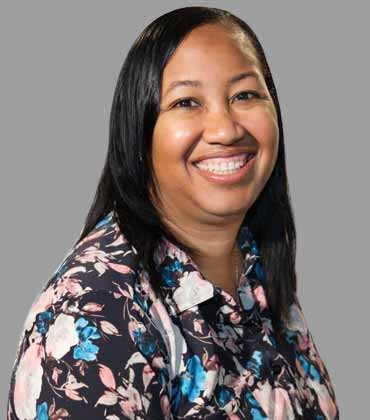
G.W. Carver Middle School, operating within Waco Independent School District, is accelerating student progress by replacing one-size-fits-all instruction with a differentiated classroom system designed to meet every student at their learning level. When lessons follow a single pace, students who need reinforcement can lose ground, while those prepared for advanced application may lose momentum. In what ways are assessments and teacher collaboration shaping instructional responsiveness daily? Following its transition from a charter school back to direct public district oversight, Carver has embedded differentiation into daily classroom practice. Early assessments and professional learning community data reviews identify each student’s starting point and areas of struggle, helping teachers design learning stations for concept review, targeted practice and enrichment within the same lesson. Students who need reinforcement receive focused reteaching at the teacher table, while others continue with independent practice or enrichment. For core subjects such as English and math, the district provides the curriculum, while Carver’s instructional specialists, department leads and assistant principals help ensure it is implemented with consistency and adjusted to student needs. This framework has helped Carver create a more responsive classroom model that keeps instruction adaptive and more students positioned for measurable success. “We’re not a one-size-fits-all campus. We tailor support with the belief that every kid can learn, grow and make meaningful progress within the years we have them,” says Dennise Wooden, principal. Stable Leadership, Measurable Student Progress Why does consistent educator support influence long-term student engagement and academic confidence? Student progress extends beyond classroom design to the steady support learners experience from the educators around them. Clear direction, encouragement and guidance through setbacks help students rebuild trust and stay engaged in their academic growth.
Top Dance School 2026
For 80 years, Long’s School of Dance has served dancers across the Erie area while retaining the warmth of a family-run school. Through seven studio locations, it trains nearly 500 dancers each year, balancing broad reach with the challenge of delivering the same quality of instruction, care and connection across every studio. The school serves students from age two through adulthood across styles including creative movement, ballet, pointe, jazz, contemporary, tap, acrodance, hip-hop and Irish dance. What makes Long’s distinctive is not simply its size, but the consistency it maintains as students, families and teachers move through the program. The steadiness begins with the people leading the classroom. Many instructors first came to Long’s as students, became teacher helpers and eventually returned as faculty members. One instructor, for example, started dancing at Long’s at age three, grew into a teacher-helper role, trained across every style the studio offers, competed in Irish dance and later joined the faculty. Because they were shaped inside the program, they carry forward its values, teaching style and studio culture with consistency. Leadership reinforces that alignment through close oversight and centralized communication, helping families experience the same attentiveness wherever they join. “We make sure that our faculty members are able to keep our family and values at heart as they move through that working position,” says Jessica Long, instructor. Building Consistency Across Seven Locations That continuity carries into Long’s approach to teaching. The school is built around the idea that dance should remain accessible without losing its technical foundation. Founder Marge Long, the principal of Dance Educators of America’s Training School for Dance Teachers, based in New York City, for 27 years, helped establish that standard, and its influence continues to shape the curriculum. Teachers work on the floor with students rather than instructing from the sidelines, which keeps learning active and engaged.

K-12 Professional Development Solutions of The Year 2026

From addressing achievement gaps to meeting shifting standards and societal expectations, the role of educators today is more demanding than ever. While these challenges can seem daunting, they also present opportunities for innovation in shaping the future of education. This is where Solution Tree has emerged as a trusted partner, offering professional development and resources grounded in real-world educational experience. One thing that sets Solution Tree apart is its focus on meeting the needs of its customers by leveraging the expertise of educators who have lived the journey themselves. Since its founding over 25 years ago, the company has evolved from an educational publishing business into a comprehensive solution provider. Its offerings span books, professional development, educational events, EdTech Products (Avanti and Global PD Teams)—all designed with one goal: to ensure learning for all. While Global PD Teams is a dynamic online platform designed to help schools and districts successfully implement and sustain transformative initiatives like the Professional Learning Communities at Work® (PLC at Work®) process, Avanti is an innovative, teacher-driven professional learning platform that delivers personalized, on demand development tailored to real classroom challenges. Designed by educators for educators, Avanti offers curated video content, practical implementation resources, and interactive tools that enhance instructional practices, boost student engagement, and drive better learning outcomes. With a teacher first approach, Avanti ensures that every learning experience is relevant, practical, and aligned with the ultimate goal—student success. Equipped with built-in resources, collaborative tools, mini courses, and progress-tracking capabilities, Global PD Teams fosters seamless teamwork among educators. By prioritizing student learning, collaboration, and measurable outcomes, the platform provides on-demand access to expert guidance, research-based strategies, and actionable resources— empowering teams at every level to build and sustain high quality professional development. However, Solution Tree’s true strength lies in the people behind its work—practitioners who have walked the halls of schools and faced the challenges of the classroom.
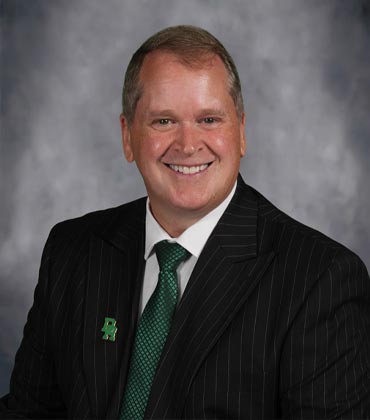
Bill Runey, Superintendent of the Dighton-Rehoboth Regional School District, leads with the belief that leadership is rooted in trust, connection, and purpose. Runey’s leadership story began in a home defined by service. His father was a teacher, coach, and athletic director who created environments built on respect and belonging. His mother, a school nurse, kept their family steady with calm strength and compassion. When his father passed away at 38, the outpouring of support from former students and players in the wake of his death left a lasting impression on Runey. He witnessed the impact educators can have on people.
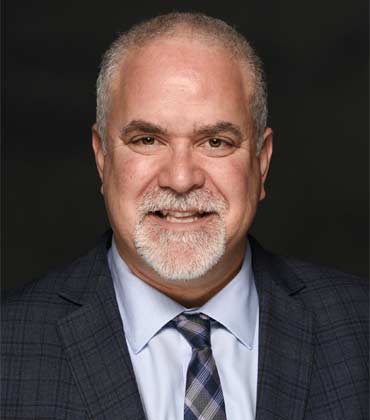
Dr. Michael Lubelfeld is Superintendent of Schools at North Shore School District 112 in Illinois, where he has led public school systems since 2010. A nationally recognized education leader, author and speaker, he focuses on leadership development, student voice and systemwide innovation. Lubelfeld has authored multiple books on educational leadership and has been recognized with numerous state and national honors for his impact on public education. In our new book, Leading for Tomorrow’s Schools Today, I share the C.H.A.N.G.E. Leadership Framework (Challenge the Process, Have Open Conversations, Adapt and Be Flexible, Navigate Obstacles, Generate a Shared Vision and Enjoy the Journey). This framework has served me through complex challenges, including school safety, pandemic recovery, facilities modernization, demographic shifts and now AI. Leadership is less about having the answer and more about creating conditions where students, staff and families can think, speak and act honestly together.
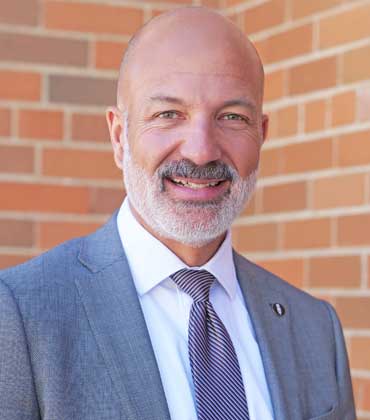
Dr. Joe Gothard is a committed, community-focused educator who emphasizes a people-centered approach to education. He is dedicated to supporting students, staff and families and has championed numerous initiatives that boost academic success, expand opportunities and advance inclusion. In an interview with Education Insider Magazine, Dr. Gothard discussed how meeting each child’s unique needs, balanced technology use and commitment to support every learner guide his leadership.

As the Superintendent of Nashua School District with over 25 years in public education, Dr. Mario Andrade draws on extensive professional and academic experience focused on equity, strategic planning, community collaboration, and driving continuous improvement across schools through data-informed leadership and innovation. In an exclusive interview with Education Insider, Dr. Andrade shared insights into his professional journey, the challenges facing public school districts, and how the Nashua School District is evolving to meet the needs of its students and community.
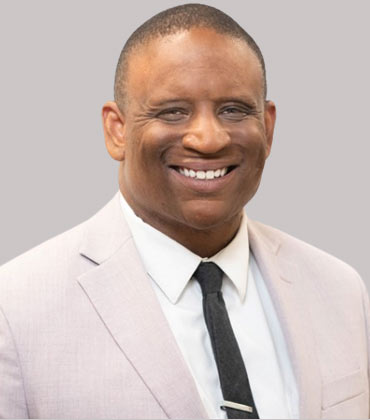
As superintendent of Elkhart Community Schools, I lead with a perspective shaped by the people and experiences that guided me. My leadership foundation began at home, influenced by my mother and supported by three siblings who helped shape my character and values. Teachers and role models throughout my schooling continued to cultivate my sense of purpose. My professional path took shape in Pike Township, where Dr. Nathan Jones recognized my potential on the first day of student teaching and encouraged me to pursue leadership, an insight that changed my trajectory. Working alongside leaders like Dr. Larry Young, Dr. Sean Smith, and Dr. Curtis Wright, I grew within a network grounded in shared learning, mentorship, and trust.

Most mornings for Mike Broadwater, the superintendent at Loveland City School District, still start in the hallways. That habit, built over 39 long years in education with 14 years of teaching high school math, has now anchored a steady climb from classroom to district leadership. After serving as dean, assistant principal, and principal, he moved into Forest Hills to oversee human resources, operations, and major construction. This experience that blended instruction with infrastructure, informs how he leads Loveland today. Now in his fifth year at the district, he keeps the focus simple and visible: fiscal realism, time in schools, and steady partnership with the community. “Every day is different as a superintendent, but the core remains to serve students, communicate transparently, and lead with optimism and an open mind,” Broadwater says.
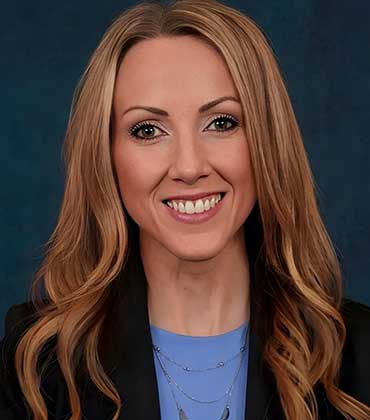
Dr. Laurie Dent serves as Superintendent of the Sumner-Bonney Lake School District, overseeing governance, instructional direction, financial stewardship and long-term sustainability. Her leadership reflects a deep understanding of how instructional, operational and financial systems intersect and how misalignment among policy, resources and practice can undermine student outcomes. Advancing from classroom teacher to principal, Chief Academic Officer and Assistant Superintendent, she brings practical insight into school realities. She focuses on building collective belief while developing and aligning leaders for sustained success. Through this article, Dr. Dent highlights that sustained student success comes from clear moral commitment, disciplined alignment of systems and shared ownership across schools, families and the community.
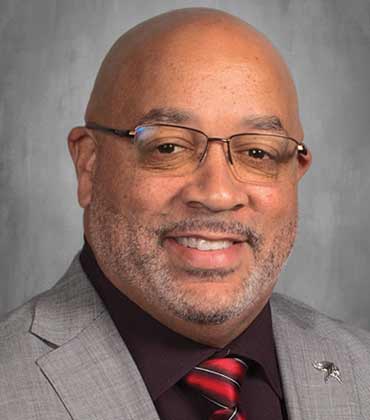
G. Elgin Card, Superintendent of Princeton City Schools, traces his drive to lead back to fifth grade, when a social studies teacher affirmed his potential. Though Card never had a teacher of color in his own schooling, his mentor’s message, “You can do it, you would be the first then,” became a turning point that shaped nearly three decades in education. After roles as a teacher, coach and principal, he now serves as superintendent. He credits colleagues who pushed him to keep growing. That foundation shows up in how he leads, preparing staff for change, protecting student well-being and building a culture where every learner feels they belong. “We must keep staff ahead of technology, ensure students feel safe and foster belonging, so every child thrives in a rapidly changing educational landscape,” says Card.

My journey has taken many turns. I began as a high school teacher in Sarasota, moved to teaching middle school in Chicago, before entering administration. I served as assistant principal at both the middle and high school levels, then principal and finally superintendent in both small and large districts. Nothing was ever handed to me. I applied for many jobs and did not get any of them. I spent eight years as an assistant principal; always the bridesmaid, never the bride. Those were humbling years, but they were also the years that shaped me most. Every time something did not go my way, I had a choice: reflect and grow, or move on unchanged. I chose to reflect. Those years forced me to hone in on my core values: culture, communication, and making employee-friendly decisions. They have guided everything I have done since. I am still learning every day, but the broad perspective I have built across different states, school levels, and district sizes is what allows me to lead at the level I do now.
K12

Connecting Learning to Earning through Work-Based Learning Experiences.
Katy Stokes, Work-Based Learning Coordinator, Chesterfield County Public Schools (CCPS)
STEM

Attending to the Bumps in Online Learning
Sam Spiegel, Vice President for Online Education, Colorado School of Mines
High Schools
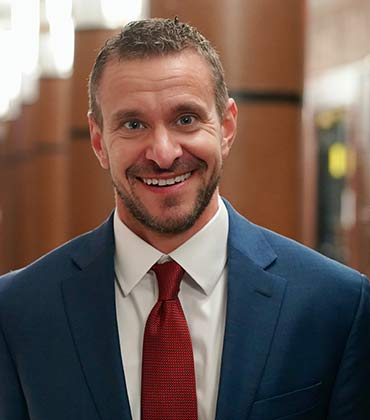
Instilling Belief in Students to Achieve New Milestones
Justin Reese, High School Principal, School District of Lancaster

IN MY OPINION
High Schools
Building College Readiness in a Changing Admissions Landscape
Mark Hampton, Director of College Counseling, Westminster Schools of Augusta

LAST WORD
Academic Scheduling Software
Building Strong Early Literacy Foundations
Leah Scholer, Director of Early Learning and Literacy, San Carlos School District
IN FOCUS

Public Charter School Driving Innovation in Modern Learning Models
Public charter schools drive innovation through flexible learning, advanced teaching strategies, and accountability frameworks, improving student outcomes and expanding equitable access.

Dance Education Institutions: Creative Training and Structured Development
Dance schools combine artistic training with structured learning, supporting physical discipline, creative expression, and skill development across diverse styles and student levels.
EDITORIAL
Leading School Systems with Purpose and Opportunity
Featured prominently in this issue, Dr. Michael Lucas, Superintendent of Trinity Area School District, is recognized as the School District Superintendent of the Year 2026. Through a focus on inclusion, instructional consistency, student support and responsible technology adoption, he has built systems designed to expand opportunity and strengthen outcomes for all learners.
The institutions recognized throughout this edition reflect different approaches to educational excellence. Westlake Academy, recognized as the Public Charter School of the Year 2026, combines community ownership with a full K-12 International Baccalaureate continuum. Long’s School of Dance, recognized as the Top Dance School 2026, continues to provide inclusive, multi-generational dance education. Waco Independent School District, recognized as the Top Public K-12 School 2026, advances student growth through differentiated instruction and sustained academic support.
Recognition also extends to Bill Runey of Dighton-Rehoboth Regional School District, Dr. Larry Huff of Elkhart Community Schools, Dr. Magda A. Hernández of Irving ISD, Mike Broadwater of Loveland City School District, Michael Kline of North Polk Community School District, G. Elgin Card of Princeton City Schools, Dr. Laurie Dent of Sumner-Bonney Lake School District and Jared Smith of Waterloo Community School District, all recognized as the Top School District Superintendents 2026. Their leadership reflects a commitment to student achievement, community engagement and continuous improvement.
Leadership perspectives featured in this edition further expand the discussion. Sam Spiegel, Assistant Vice President for Online Education at Colorado School of Mines, examines strategies for strengthening online learning experiences. Justin Reese, High School Principal at the School District of Lancaster, discusses empowering students through personalized pathways, confidence-building and future-focused learning opportunities.
The organizations and leaders featured in this issue demonstrate a shared commitment to student success. We invite readers to explore the insights presented throughout this edition.

