

Elkhart Community Schools
Built On People, Strengthened By Purpose
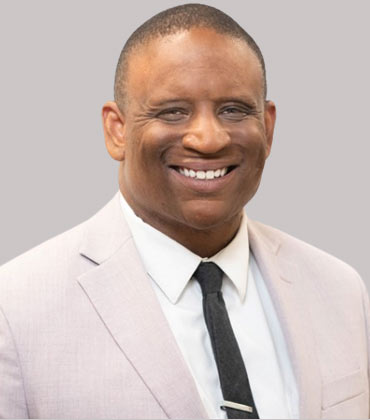
Dr. Larry Huff
As superintendent of Elkhart Community Schools, I lead with a perspective shaped by the people and experiences that guided me. My leadership foundation began at home, influenced by my mother and supported by three siblings who helped shape my character and values. Teachers and role models throughout my schooling continued to cultivate my sense of purpose. My professional path took shape in Pike Township, where Dr. Nathan Jones recognized my potential on the first day of student teaching and encouraged me to pursue leadership, an insight that changed my trajectory. Working alongside leaders like Dr. Larry Young, Dr. Sean Smith, and Dr. Curtis Wright, I grew within a network grounded in shared learning, mentorship, and trust.
Principles That Shape a Thriving School Environment
I believe a thriving school community begins with relationships. Rather than setting academic expectations first, the priority is to build authentic connections with colleagues and students, because those relationships strongly shape how individuals experience success in our system Creating a sense of belonging is essential, so we work to provide safe spaces where students can talk openly about the challenges they face both in and out of school. Community circles, service learning, and aligned partnerships help us support them in meaningful ways, and this relationship-first approach has guided how we do the work here at Elkhart Community Schools.
“Safety remains a central priority for me, both emotionally and physically. To support emotional safety, we rely on an exceptional counseling team.”
Aligning district priorities with real investment is equally vital. If we say literacy matters, our budget must prove it. Working closely with our school board ensures our core values are funded, especially early-literacy efforts that shape capable learners. At Elkhart, this focus has helped strengthen engagement across grade levels and reinforce literacy as a foundation for long-term student success.
Strengthening Teaching and Professional Growth
Working side by side with teachers is essential for the success of everyone involved. Teacher’s voice shapes our professional development planning, curriculum decisions, and daily instructional practices. We created an evaluation system designed by teachers for teachers, supported by administrators, to ensure it truly reflects their needs and encourages growth. We also began exploring AI to improve efficiency for educators and help them offer real-world, relevant learning experiences. These steps directly address the priorities identified by teachers.
Providing access to high-quality devices is another essential part of our strategy. The focus is on delivering professional development that is timely and meaningful. Our district received a prestigious grant from the Indiana Department of Education to host a summer learning institute, offering 70 sessions based on educators’ requests which became a significant success. That work positioned Elkhart as one of only a few districts in the state to receive this recognition, and we continue that momentum through professional learning days shaped by staff input. This gives teachers space to deepen their skills, collaborate with colleagues, and navigate challenges together.
Maintaining Stability, Safety, and Clear Communication
Safety remains a central priority for me, both emotionally and physically. To support emotional safety, we rely on an exceptional counseling team. Our district includes the Indiana Counselor of the Year and a RAMP-certified school, a recognition earned through a rigorous process that ensures counselors can meet the needs of students facing challenging circumstances. These efforts have strengthened family connections and expanded access to community-based support across the district.
Physical safety is supported through strong structures and consistent training. We have a district-wide safety crisis team and follow recognized best practices in crisis prevention and intervention. Staff members have free access to CPI training, and every employee completes universal training through the Vector platform, which covers bullying prevention, mandated reporting, and recognizing signs of student distress. We have expanded our security staff and benefit from an outstanding director of security and risk assessment.
I rely on strong community partnerships that stand beside our staff and students. These partners offer professional development, bring engaging activities to our schools, and remind educators they’re not carrying the work alone. Lifting burdens from those on the front line is part of my responsibility, and it strengthens our community schools.
Embedding Mental Health Support and Wellbeing
Integrating mental health and wellbeing into our school culture begins with strong partnerships. We work closely with community organizations that help staff and students understand how to look out for one another and create an environment where everyone feels they belong. One of our most influential partnerships is with Bring Change to Mind, a student-led initiative at the high school that gives young people a platform to discuss issues that matter to them. Their perspectives are relevant, timely, and essential.
Student voice is a critical part of this work. I meet monthly with our Student Superintendent Advisory Committee, which includes some of our brightest students who offer direct feedback on how to improve the district. These kids come up with amazing strategies and their insights remind us that students must be part of solving complex challenges rather than just experiencing decisions made for them.
We have strengthened support systems by placing social workers in every building, an investment we did not have a few years ago. That expansion has improved our ability to respond quickly to trauma and connect families with needed resources, ensuring a healthier, more supportive environment while maintaining high standards for discipline and performance.
Superintendents and the Road Ahead
The role of the superintendent is expected to change significantly in the coming decade. I see the position becoming an even stronger connector between schools and industry, ensuring students graduate with a clear path toward the military, the workforce, or higher education. That perspective has been shaped by my work at Elkhart, where the superintendent must consistently sit at the table with education, business, and community partners at the same time.
Superintendents will also need stronger business acumen and deeper relationships with the business community. Communication skills will become even more essential. In this role, the superintendent is often the only person in the district performing these duties, and while few people fully understand the responsibilities, many will still have opinions about how the job should be done. Clear, consistent communication about the district’s mission, successes, and opportunities is critical, along with championing students at every turn.
Advocacy will continue to be a defining part of the role. Superintendents must understand legislation and know how to advocate for their districts at the local, state, and sometimes national level. As the work becomes increasingly visible, that advocacy also helps communities see the complexity of the role and the systems that leaders must strengthen to support students and families.
Steps toward Effective Superintendency
My first guidance for anyone aspiring to become a superintendent or advance into senior leadership is to understand that this work is fundamentally team-driven. It is always a team of superintendents, not a superintendent alone. That understanding has been reinforced through my time in Elkhart, where progress depends on shared ownership, trust, and consistent communication across the district.
Aspiring leaders should practice leadership long before they hold a formal title. Write letters to legislators, connect with community members, and find ways to contribute beyond the immediate role. These actions build the confidence and perspective needed when the stakes grow higher in senior positions.
Developing the ability to move confidently among different circles strengthens a leader’s capacity to serve a diverse community. The role carries significant responsibility and a strong network stands behind every superintendent because when they succeed, the entire community moves forward. Leaders who commit to teamwork, continuous learning, and early engagement in public life stand a strong chance of building a successful and meaningful superintendency.

Get the best of Education Insider delivered directly to you.
