
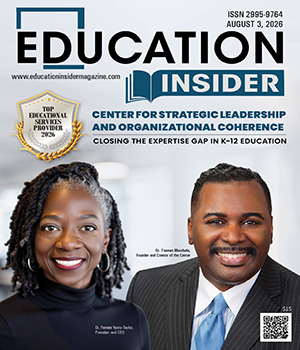
School districts invest significant time and resources in improving student achievement. When progress stalls, the challenge is often labeled as an achievement gap, prompting new initiatives, revised programs and detailed improvement plans. Yet meaningful gains often remain difficult to sustain. The Center for Strategic Leadership and Organizational Coherence (CSL) looks deeper, viewing the issue as an expertise gap. It helps K-12 districts understand what is limiting student progress and equips educators with the instructional capacity, coaching and professional learning needed to move students toward mastery. “We help districts identify what is standing between students and mastery,” says Dr. Thomas Maridada, founder. This approach grew from Dr. Maridada’s experience in school and district transformation. A nationally recognized turnaround leader, his career spans teaching, school leadership, superintendency and educational policy. In those roles, he saw that lasting improvement depends less on introducing another program and more on the development of teachers and leaders closest to students. As he supported districts facing persistent achievement challenges, other leaders began asking whether those results could be repeated, scaled and sustained in their own communities. CSL took shape around that need.
Catholic Schools
The real influence of a school isn't always evident at graduation. It tends to emerge years later, reflected in the relationships students maintain, the values they uphold, and their ongoing sense of connection to the community that helped shape who they are. Those lasting bonds raise an important question: what helps children thrive in the first place? As St. Joseph School prepares to celebrate its 75th anniversary, the answer lies in a philosophy centered on family, community, and belonging. The school believes students are best positioned to grow when they feel known, supported, and connected to the people around them. Surrounded by teachers, parents, clergy, staff, alumni, and parishioners who genuinely care about their success, students experience an environment that feels like a second home. Academic achievement remains important, but it is viewed as one outcome of a community that also nurtures faith, character, emotional well-being, and individual growth. This commitment to educating the whole child has shaped the school's identity for nearly three-quarters of a century. “When students feel known, supported, and valued, they are better positioned to succeed in every aspect of their development,” says Karen K. Valenti, principal.

Health Science Academy

In most high schools, healthcare education begins with textbooks and lectures that introduce students to medical language, principles of anatomy, and the importance of care. But true preparation requires more than theory, it should provide students the opportunity to apply their knowledge and gain real-world experience. That’s where hands-on healthcare programs are transforming learning into practice, and Toledo Pre-Medical and Health Science Academy leads the way. Ranked fifth in Ohio for college readiness and among the top twenty percent nationwide with five-star rating, the academy bridges the gap between education and workforce. Seventeen-year-old Rozanae is one shining example. Each morning, she walks into school not just as a student but as a nurse in training. With more than forty college credits completed, she’s only two classes away from becoming a licensed practical nurse. Each year, students like her choose this academy as it offers the opportunity to build a future in healthcare with real tools, labs and certified experience while still being in high school. “There is a disconnect between traditional education and the modern workforce. We are filling that gap by giving students the tools, skills and credentials they need to thrive,” says Jack Hunter, principal. An Early Curriculum with Purpose The academy’s curriculum, based on the nationally recognized Project Lead the Way, puts project-based learning and career exploration first. In seventh grade students explore real-world medical problems. Whether developing orthotics to enhance mobility or adaptive toys to support children with cerebral palsy, each project fosters a blend of clinical creativity and real-world application. By eighth grade, the emphasis moves to clinical skills. Students are trained to record blood pressure, take vital signs, and determining potential causes of illness by case-based learning. In ninth grade, the students are trained in forensic science, where lab work includes DNA analysis and evidence evaluation. During their tenth-grade, students make an important transition, taking college-credit courses in human anatomy and medical terminology and choosing one of three focused career pathways. Pharmacy and biomedical science offer the chance to pursue a technician license. Nursing and patient care include preparation for state tested nurse assistant certification and hands-on experience in sterile processing. The athletic training and kinesiology leads to credentials as personal trainers, referees and physical therapy aides. These programs ensure that students don’t just learn about healthcare but begin living it. Many graduate with certifications in hand, take up part-time roles in clinics or pharmacies, or carry forward college credits that ease their journey into higher education. Equity and inclusion are central to the academy’s design. The student body reflects the diverse demographics of the city it serves, creating a learning community where different perspectives strengthen understanding and leadership. This harmony between education and representation ensures that every student feels seen, supported and prepared to thrive in the healthcare field.
Christian Schools

Building a Student-Centered Future in Education
Cindy Kilpatrick, Director of the Center for Teaching and Learning, Stephen F. Austin State University
Student Services

Reimagining Student Wellness Through Integrated Systems
Dr. Sherra McMillan Watkins, AVP for Student Health and Wellness, University of Utah
School Services

Human-Centered Tutoring in the Age of AI
Greg Garcia, Program Director of Tutoring Services, San José State University
Catholic Schools
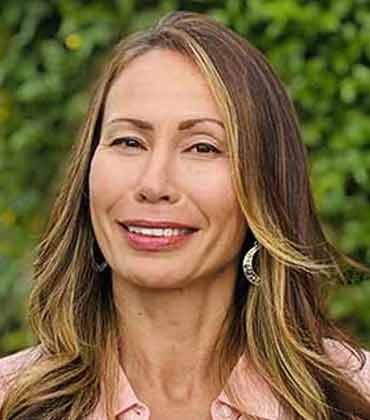
Beyond the Quiz: Redefining Competence in eLearning
Denice Schroeder, Executive Learning Solutions Architect, Bryan University
Boarding Schools
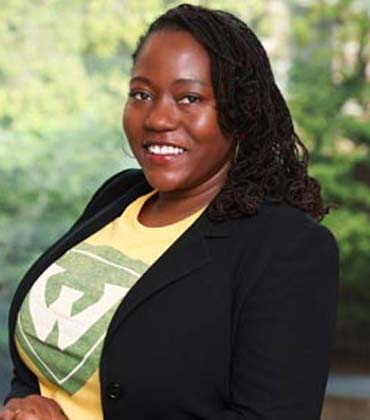
Innovative Leadership in Professional Learning Programs
Shantalea Johns, Assistant Professor, Clinical, and Director of Continuing Education, Wayne State University
IN MY OPINION
Catholic Schools
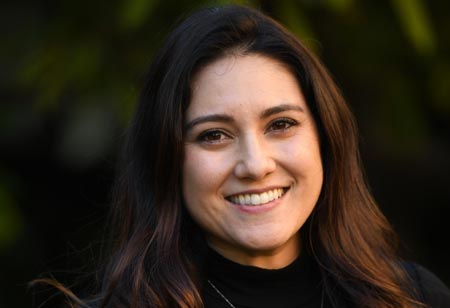
Shaping The Future of Sport Management Through Education And Equity
Ashley Sloper, Ed.D., Associate Director and Head of Professional Development, Sport Management, University of San Francisco
LAST WORD
Online and Remote Learning
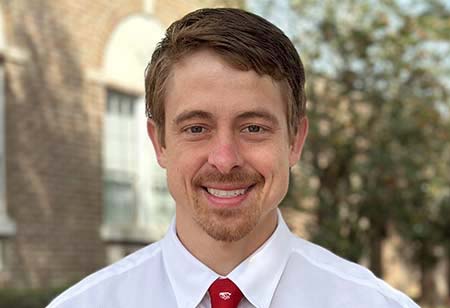
Rewiring STEM Education for the Future
Dr. Chet Nicklas, Black Belt STEM Institute Director, the University of West Alabama
IN FOCUS

Catholic Education: Balancing Tradition with Digital Learning Growth
Catholic education strengthens academic discipline, supports student development, encourages community engagement, and balances tradition with modern instructional approaches.

The New Age of Learning: Enhancing Educational Services for Diverse Needs
Educational services provide opportunities for skill development and upskilling, improve knowledge retention, and enhance academic performance.
EDITORIAL
Strengthening the Foundations of Learning
Our cover story features the Center for Strategic Leadership and Organizational Coherence, recognized as the Top Educational Services Provider 2026. Rather than focusing on short-term improvement initiatives, CSL partners with school districts to build lasting instructional capacity by strengthening teacher expertise, leadership development and organizational coherence. Through data-informed coaching, professional learning and sustainable leadership pipelines, the organization helps districts improve student outcomes by addressing the expertise behind classroom success.
Also recognized in this edition is St. Joseph School as the Catholic School of the Year 2026. For nearly 75 years, the school has demonstrated that academic excellence is most meaningful when paired with faith, character development and a strong sense of community. Through personalized learning, family partnerships and programs that support students' intellectual, emotional and spiritual growth, St. Joseph School continues to prepare students for success well beyond the classroom.
This issue also features perspectives from education leaders shaping the future of teaching and learning. Cindy Kilpatrick, Director of the Center for Teaching and Learning at Stephen F. Austin State University, discusses how blended and flexible learning frameworks, along with the intentional use of technology, can cultivate student-centered and accessible environments without losing human connection.
Rashid Duroseau, Senior Director of Civic Learning at Democracy Prep Public Schools, highlights the importance of building systems that empower student voice, strengthen civic engagement and create meaningful opportunities for leadership and community participation.
Together, these stories show that educational excellence is shaped by people, purpose and sustained collaboration. We invite our readers to explore these perspectives and discover how thoughtful leadership continues to shape the future of education.

