
The rigor in Dr. Freda Deskin-Lewis’s classroom never needed to announce itself. Long before she founded ASTEC Charter Schools, she designed learning that felt like purpose, not pressure. Her students worked through missions where advanced math hid inside a flight plan, a launch sequence or a systems check. Only at the end of the week did they realize how far they had traveled academically. That work filled 15 award-winning years in PreK-12 classrooms and it led her to NASA. She applied to the Teacher in Space program and reached the finalist round and that experience led to the aerospace camps she built afterward. She ran those camps each summer while she served on the faculty at the University of Oklahoma and later while she was a dean at Oklahoma City University. A generation of campers still describes them as the most meaningful education of their lives. Her classrooms also revealed a truth she could not ignore: the students who responded fastest were often those with the least access to opportunity. They were also the ones the system was most likely to lose. She saw the pattern again while running a residential program for adjudicated youth, where many of those children and their siblings had already been written off. They were the students who needed her approach most and rarely reached a classroom where it existed.
Pre-Schools
“In today’s educational landscape, many schools focus on milestones, outcomes and academic readiness,” says Dr. Cris Lozon, executive director of Growing Place . “We focus on the process of learning itself.” At Growing Place, children’s curiosity becomes the starting point for learning, with intentional environments and thoughtful questions helping them construct understanding through experience. A butterfly chrysalis hangs beside the door of a preschool classroom. Before anyone reaches out to move it, a group of four-year-olds gathers around. One child notices the tiny opening in the shell. Another points to its color. Has the butterfly already emerged, or is it still inside? Together, they observe, question and test their theories until they arrive at their own conclusion.

Construction Academy

The construction industry is approaching a generational transition. With Generation X reaching retirement age, the demand for skilled workers is outpacing the number of qualified individuals entering the trades. Developing a reliable pipeline of professionals requires exposing students to skilled trades well before they enter the workforce. Ohio Construction Academy (OCA) creates a direct pathway for students from high school to industry. It prepares them for careers in construction through classroom learning, hands-on trade education, industry-recognized credentials and employer partnerships. A tuition-free public charter school, OCA was established to make the skilled trades part of a student's high school education. Learners divide their time between core academics that meet Ohio's graduation and testing requirements and technical instruction in carpentry, electrical, welding and plumbing. “Our mission is not to supply students with jobs, but to give them careers that create lasting opportunities long after they leave our classrooms,” says Matthew Demosky, director of high school operations.
Academic Scheduling Software
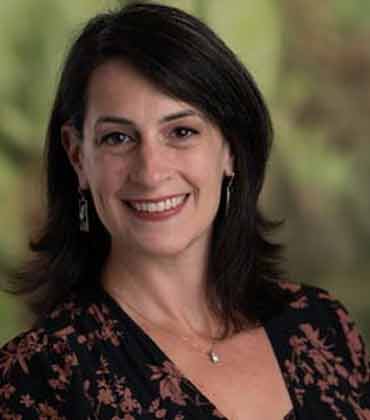
Building Strong Early Literacy Foundations
Leah Scholer, Director of Early Learning and Literacy, San Carlos School District
Boarding Schools

Exploring New Technological Frontiers in STEM Education
Sean Beaverson, Director of Technology, Orono Public Schools
Special Education Schools
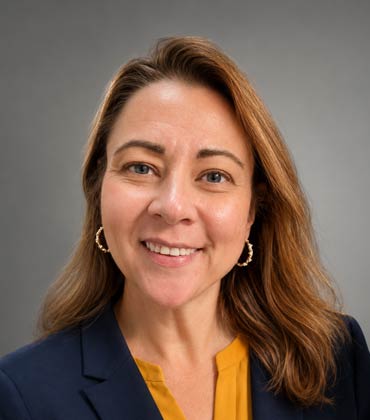
Rebuilding Special Education as a Student-First System
Elaine Latimer, Director of Special Education, Lindley Academy Charter School, American Paradigm Schools
Catholic Schools

Siesta Key, Chicken Burritos, and The Death of The Five Paragraph Essay
Tom Foster, Director of Instructional Technology, Saint Viator High School
Catholic Schools

The Future of Innovation Starts With Education
Terri Webb, Instructional Technology Manager, DeKalb County School District

IN MY OPINION
Nursing Colleges
Student Engagement is Not a Program. It's A Promise.
Dr. Chuck Herring, Director of Student and Community Engagement, South Fayette Township School District

LAST WORD
School Services
Adapting Edtech Professional Development For The New World
Evan Obranovic, Executive Director of Technology & Media Services, Traverse City Area Public Schools
IN FOCUS
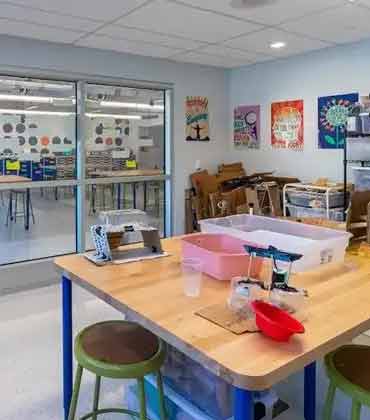
Charter Schools Advancing Educational Innovation And Student Choice
Charter schools provide flexible learning environments, specialized programs and innovative teaching approaches that support student success and educational diversity.
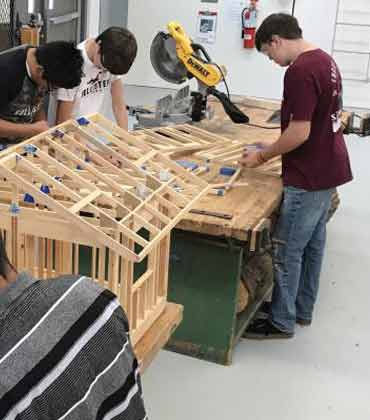
Tuition-Free Construction High Schools: Preparing the Next Skilled Construction Professionals
Tuition-free construction high schools develop skilled professionals through innovation, practical training, technology, sustainability, and career readiness.
EDITORIAL
Education that Expands Opportunity
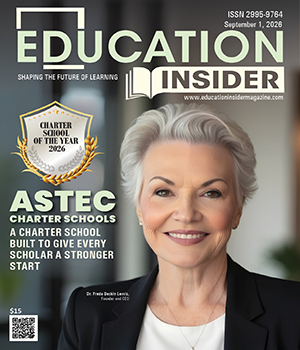
Our cover story features ASTEC Charter Schools as the Charter School of the Year 2026. With a focus on strong academics and student development, the school has created an environment where high expectations are matched with opportunities to learn and grow. This reflects the role charter schools play in expanding access to quality education.
This issue also highlights institutions that are making their own contributions to education. At Growing Place, recognized as the Top Early Childhood Learning Preschool 2026, children’s curiosity is the foundation. It uses inquiry and relationships to help young learners build confidence, think independently and enjoy the process of discovery. Ohio Construction Academy (OCA), named the Top Tuition-Free Construction High School 2026, combines classroom learning with practical trade education, industry certifications and partnerships with local businesses to prepare students for careers in the skilled trades.
Thought leadership articles additionally enrich this issue. Elaine Latimer, Director of Special Education at Lindley Academy Charter School, American Paradigm Schools, explains why successful special education depends upon collaboration, inclusive classrooms and keeping every decision centered on the student. Leah Scholer, Director of Early Learning and Literacy at San Carlos School District, shares how developmentally appropriate instruction, family engagement and purposeful use of technology strengthen early literacy and build enduring learning foundations.
Together, these stories demonstrate that scholastic excellence is achieved via thoughtful leadership, practical innovation and a firm commitment to learners. We invite you to explore this edition and discover the ideas, institutions and leaders shaping the future of education.

