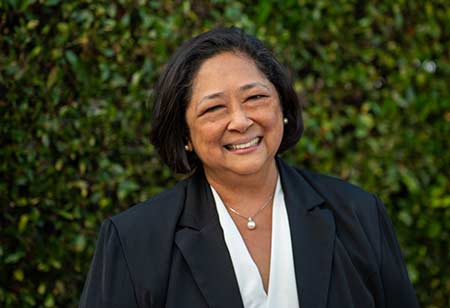
 Dr. Cris Lozon, Executive Director
At Growing Place, children’s curiosity becomes the starting point for learning, with intentional environments and thoughtful questions helping them construct understanding through experience.
A butterfly chrysalis hangs beside the door of a preschool classroom. Before anyone reaches out to move it, a group of four-year-olds gathers around. One child notices the tiny opening in the shell. Another points to its color. Has the butterfly already emerged, or is it still inside? Together, they observe, question and test their theories until they arrive at their own conclusion.
Moments like these define the learning culture at Growing Place. Viewing children as competent learners begins with trust and the belief that children’s thinking is worthy of study. Rather than directing every step of discovery, teachers carefully observe children’s interests, questions and developing theories before extending learning through thoughtful questions rather than predetermined answers. Every interaction reinforces the same message: “Your ideas matter, and I trust you are capable of understanding how this world works.”
“We are not just preparing children for the next grade level. Rather, we are helping them build the habits of mind that support lifelong learning,” says Dr. Lozon. “In turn, they are still learning what is expected, but not to memorize or please another person. They are learning to own the learning themselves.”
Learning continues beyond each experience. Teachers study children’s conversations, artwork, play and observations to better understand how they think. Photographs, observational notes and work samples become tools for reflection, helping educators identify emerging theories, recognize patterns and design future learning experiences that build on children’s thinking.
The Classroom beyond Four Walls
Outdoor spaces are extensions of the classroom where children investigate natural phenomena, explore risk and challenge and develop confidence through direct experience. Infants and toddlers encounter sand, grass, woodchips and stone as they learn to walk, with varied textures and elevations supporting brain development while helping them understand the strength of their own bodies. Older preschoolers build that confidence along bike paths with hills and valleys that challenge balance, coordination and risk assessment. Those experiences also nurture empathy, ethical thinking and problem-solving.
Parent Partnership
Families are essential partners in the learning community. Documentation, conferences, collaborative projects and parent events help families understand how learning unfolds through play. Many, including those who joined Growing Place more than 40 years ago, say the experience shaped not only their children but also the way they parent.
-
We are not just preparing children for the next grade level. Rather, we are helping them build the habits of mind that support lifelong learning. They are learning what is expected, not to memorize or please another person, but to own the learning themselves.
Across all its campuses, Growing Place maintains a shared commitment to inquiry, documentation, collaboration, trust and relationship-centered practice while preserving each campus’s unique identity.
Extending Four Decades of Learning
For Growing Place, early childhood is not childcare or simply preparation for “real school.” It is one of the most important periods of human development. Every day, children build the confidence to ask questions, the empathy to care for others, the creativity to solve problems and the resilience to navigate an ever-changing world. During one mentoring session, teachers watched a video of two children at a water table. While a younger child repeatedly splashed the water, an older child instinctively stepped back. Rather than discussing behavior, mentors asked: What did the older child understand that the younger one did not? What evidence supports that conclusion? The exercise encouraged teachers to look beyond children’s actions to understand the thinking behind them, reflecting an organizational culture that studies children’s thinking rather than behavior.
Rather than preparing children only for kindergarten, Growing Place helps shape confident, compassionate and creative problem-solvers ready for now and the future. Growing Place is expanding its impact through professional learning, educator partnerships, campus tours and plans for a learning institute to focus on these efforts.
That commitment to children’s thinking and lifelong learning distinguishes Growing Place as a Top Early Childhood Learning Preschool 2026.
About Dr. Cris Lozon, Executive Director, Growing Place:
With over three decades of experience in early childhood education, Dr. Lozon brings a rich and diverse background to her role as Executive Director of Growing Place. In addition to her classroom and leadership experience, Dr. Lozon has taught early childhood education as an adjunct professor at two universities. She is a published writer on the topic of play, and presents nationally and internationally on the essential role of play in children's learning and development. Dr. Lozon’s global perspective, academic grounding and lifelong commitment to honoring the voices and capabilities of young children reflect the heart of Growing Place's mission.