
Care Hope College views healthcare education as more than preparation for a career. It sees healthcare as a ministry and education as preparation for fulfilling the calling to care. The Florida-based Christian college offers quality educational programs that equip students with the knowledge and technical skills needed to deliver excellent patient care. Students pursue programs that prepare them for hands-on patient care, developing knowledge and practical skills through classroom, laboratory and clinical learning. Intensive academic and personal support helps students complete their preparation, pass board exams and secure employment. The college's faith-based foundation teaches students to see the person behind the patient chart. They are taught to see every patient as an image bearer of God and to treat them with dignity and care. Education, in this setting, thus becomes a training to fulfill a divine assignment through the care they provide. “We’re equipping the next generation of students to be literally the hands and feet of Christ in a hurting world,” says Dr. Hope Doyles, president and CEO.
Elementary Schools
For young children, the first experience of school can shape how they come to understand learning, relationships and themselves. At Early Learning at Beth Sholom in Elkins Park, that experience begins with a premise that extends beyond academics. The school sees early education as an opportunity to understand the child as a whole person while giving families the support and connection they need along the way. “Our philosophy is teaching the whole child. That includes their social-emotional well-being, their educational well-being and any needs they may have,” says Carly Tancredi, Preschool Director. The philosophy is visible in the way Early Learning at Beth Sholom approaches children who arrive with different developmental needs, personalities and ways of learning. It provides care from infancy through pre-K and welcomes families from different religious backgrounds, creating an environment where kindness, love and belonging are treated as part of the educational experience rather than something separate from it.

Pre-Schools
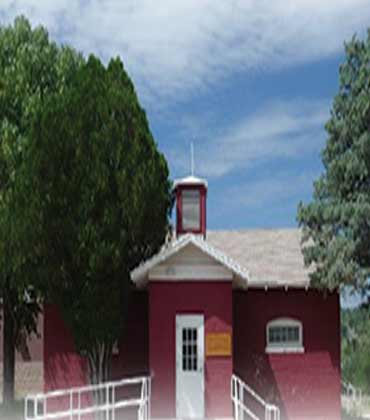
When a former student returns to Santa Cruz Elementary District 28, known as Little Red School, as a teacher, more than a century of school history becomes personal. This year, Little Red welcomed a new middle school social studies teacher who once attended the school himself. His return offers a glimpse into what has allowed the Nogales, Arizona, public school to remain connected to generations of students and families since it began as a one-room school in 1921. Today, Little Red has grown into a public K–8 school while preserving the close relationships, high expectations and personal attention that have defined it for generations. That combination of enduring values and continued educational growth has earned the school recognition as a Top Public Elementary School 2026. The traditions remain rooted in service, integrity, personal responsibility and care for every child, reflecting a whole-child approach that values academic achievement, character and wellbeing equally. “Every decision we make should begin and end with what is best for our students,” says Kathy Romero, superintendent and principal. Bringing that philosophy to life, the district's small-school environment enables teachers and staff to understand students as individuals, including their academic needs, talents, personalities, family circumstances and aspirations. Because students remain in one school community from kindergarten through eighth grade, educators can recognize changes, celebrate progress and respond quickly when support is needed. Clear behavioral expectations also create structure, while students receive support through academic intervention, special education, gifted enrichment and social-emotional services. That culture is reinforced by remarkable staff continuity, with nearly 99 percent employee retention over five years. All teachers are highly qualified, paraprofessionals are highly trained, and Superintendent-Principal Romero’s 15-year leadership has helped the district adapt while fostering deep relationships with students and families. The governing board shares that same student-first focus.
Bible College
How does Trinity Bible College maintain mission clarity while pursuing steady institutional growth? Trinity Bible College & Graduate School operates with a clarity of mission that has shaped its steady growth and institutional health. As a small, faith-based institution in a rural town, it has chosen focus over expansion and conviction over trend. Located in Ellendale, North Dakota, Trinity exists to form resilient, mission-driven leaders who understand their calling and are prepared to live it out. Academic rigor, intentional spiritual formation and hands-on experience are treated as inseparable rather than competing priorities. “Trinity prepares leaders shaped by character, clarity and purpose. Our growth, even as a small institution in a small town, reflects a commitment to staying focused on who we are and executing that mission consistently,” says Dr. Paul R. Alexander, president. A Counterintuitive Model of Institutional Health Why has Trinity chosen focused identity rather than expanding to mirror market expectations? Trinity's leadership explains its momentum through clarity of mission and disciplined execution rather than through scale or location. As that clarity of mission deepened, enrollment and retention strengthened.
Private Colleges and Universities
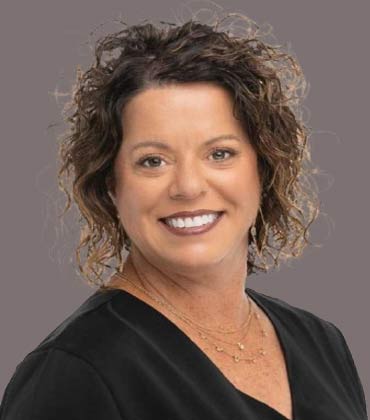
How Christian Universities Can Lead In the Age of Artificial Intelligence
Jean Mandernach, Executive Director, Center for Innovation in Research and Teaching, Grand Canyon University
Career Colleges
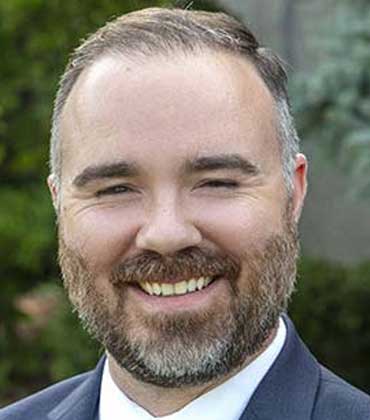
Integrating SEL, Digital Citizenship, and AI Literacy in K-8 Schools
Patrick Dawson, Director of Innovation, Teaching & Learning, The Winnetka Public Schools
Professional Development Services

Leading Through Relationships: The Foundation of Meaningful Learning and Lasting Change
Bridget (Hall) Dooley, Principal Northport Elementary School, Robbinsdale Area Schools
Catholic Schools
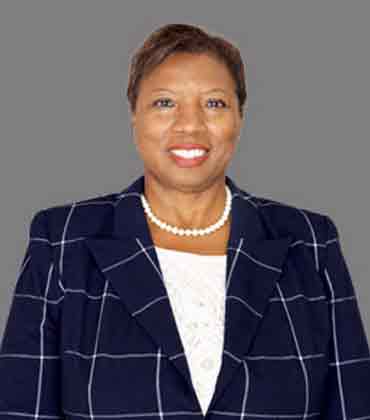
Empowering Students to Explore the World of Stem
Katrina Robinson, Professional Development Manager, Morgan State University
Catholic Schools
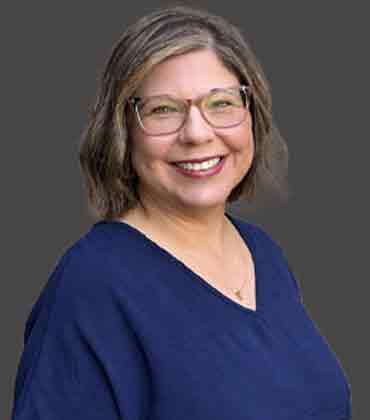
Scaffolding Teacher Training: Integrating Early Practicum and Authentic Learning Experiences to Prepare for Year-Long Residency
Stefanie R. Sorbet, Ed.D., Department Chair, Elementary, Literacy and Special Education, University of Central Arkansas

IN MY OPINION
Catholic Schools
Rethinking Higher Education in the Age of AI
Dr. Victor M. Brown, Vice President for Academic Affairs and Provost, Husson University
LAST WORD
Art and Design Colleges
Balancing Data and Humanity in Times of Change
Amy Becker Karl, Assistant Director of Graduate Admissions, Wheaton College
IN FOCUS

Balancing Faith and Academics: The Rise of Christian Colleges
Christian colleges grow through values-based education, personalized support, digital learning, career preparation, community, faith, and leadership development.
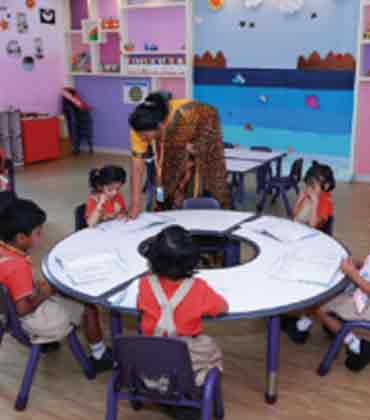
Public Elementary Schools Building Foundations for Academic and Personal Growth
Public elementary schools foster academic achievement, social development and community engagement while preparing students for lifelong learning success.
EDITORIAL
Empowering Learners through Compassion and Leadership
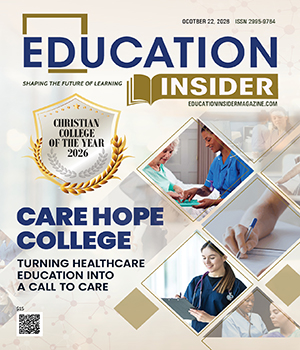
Our cover story recognizes Care Hope College as the Christian College of the Year 2026. Rooted in Christian faith, the Florida-based institution prepares healthcare professionals through classroom instruction, simulation laboratories, clinical training and individualized mentorship. Its flexible learning pathways help students advance from foundational patient-care programs to nursing credentials while balancing personal responsibilities. Under Dr. Hope Doyles, president and CEO, the college emphasizes clinical competence, emotional resilience and compassionate service, reflecting its mission to prepare students to care for others with dignity and purpose.
The issue also features Early Learning at Beth Sholom as the Top Early Childhood Education School 2026. Its whole-child philosophy integrates academic development, social-emotional well-being and family engagement. Through Montessori and creative learning programs, individualized developmental assessments and hands-on activities, the school encourages curiosity, independence and confidence. Strong communication with families and a welcoming environment help children from diverse backgrounds develop a lasting sense of belonging.
Santa Cruz Elementary School District 28, known as Little Red School, earns recognition as the Top Public Elementary School 2026. Serving its Arizona community since 1921, the K–8 school combines rigorous instruction, targeted academic support, educational technology and character development. Its close relationships among students, educators and families reinforce a student-first culture built on responsibility, compassion and high expectations.
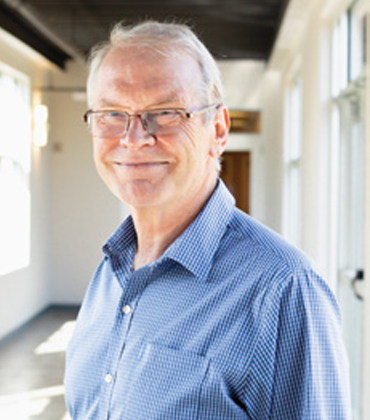
Contributor Jean Mandernach, Professor, Grand Canyon University, examines how Christian universities can guide artificial intelligence adoption through theological principles, ethical judgment and human-centered education. Bridget (Hall) Dooley, Elementary Principal at Robbinsdale Area Schools, emphasizes trust, social-emotional learning and relationships as foundations for meaningful educational change.
Together, these stories demonstrate how purposeful leadership and supportive learning environments can strengthen achievement, character and lifelong growth.

