
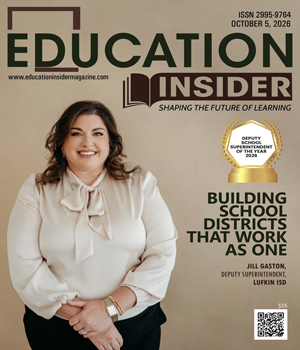
Jill Gaston is Deputy Superintendent of Lufkin ISD, bringing extensive experience in educational leadership and instruction. She has spent her career across every level of school district leadership, from the classroom to district administration. At Lufkin ISD, she leads student academic strategy, district-wide leadership development and the community relationships that support both. She previously served as the district’s Chief Financial Officer and as Superintendent of Wells ISD. A lifelong Lufkin native, Gaston began her career as a teacher and holds degrees from Texas A&M University and Lamar University. Leadership Beyond the Job Title Gaston strongly believes that every job title is a starting point for excellence. According to her, leadership is less about positioning oneself for the next title and more about making the current seat better through the work done in it. At Lufkin ISD, she approaches each day as a utility player—going where she is needed, filling the gap that needs filling and maintaining a high standard of work in every situation. No two days look the same, and that, in her view, is exactly how district leadership should work. Her responsibilities span student academics, classroom observations, data review, project execution and support for leaders across the district. She operates across these areas with an understanding that none functions independently. A decision made for students can affect teachers. A change in operations can influence campus leadership. A shift in one part of the district can create consequences elsewhere.
College-Preparatory School
Two students hunch over a Connect Four board at lunch. Nearby, a Spikeball game gets going and a stack of Uno cards makes its way around a table. No phones are in sight. It looks like an ordinary school lunch, but at St. Stephen’s and St. Agnes School (SSSAS), that ordinariness is the point. Students built this moment themselves and the school built the conditions that made it possible. SSSAS is an Episcopal school in Alexandria, Virginia, serving students from age three through grade 12 across three campuses. Rigorous academics sit alongside advisory, service, respectful discourse, arts and athletics. Thoughtful choices about when technology adds value help keep that experience balanced. Its guiding idea, pursuing knowledge and goodness together, shapes everything from morning meetings to eighth-grade capstones. “What we really care about is that they’re good people who recognize that they’re part of a much bigger community in the world,” says Kirsten Prettyman Adams, head of school. For its blend of academic challenge, Episcopal values and whole-student development, SSSAS was named Top College Preparatory Episcopal Church School 2026 by EducationInsider. Community as Curriculum Lower School students open and close each day with a Responsive Classroom meeting, learning how to listen, disagree well and work through conflict. A weekly exercise called Weekly Wonderings uses a single photograph to prompt observation and conversation about the wider world. Fourth graders take on a service project built around a novel about homelessness, then raise money on their own to support a local organization serving unhoused people. The academic work and the moral work happen in the same assignment..
Teacher Transition Services

Teachers bring a powerful blend of leadership, creativity, and heart to their work. But for many, there comes a time when they begin to consider a new direction and future opportunities. Whether driven by changing goals, burnout, or a desire for growth, some educators decide to step beyond the classroom. The hard part? Translating years of teaching experience into roles where their skills will be recognized and valued. Job titles don’t always match up. Applications can feel like they disappear into a black hole. And confidence can take a hit when it seems like classroom strengths don’t fit neatly into corporate checklists. Ali Parrish knows that journey firsthand. After navigating her own career change from her classroom to working at education companies and more, she founded Teacher Transition, a company built by teachers, for teachers, to help them explore new professional paths, gain in-demand skills, and move forward with clarity and confidence. What started as a passion project has since grown into a full-fledged organization offering training, support mentorship, and practical tools for career pivots. “We’re not just helping teachers write resumes,” says Ali. “We’re also helping them discover what they truly enjoy, build the skills employers are looking for, and connecting with real opportunities. Everything we offer is built for teachers, by teachers who’ve walked the path and now work in the roles teachers want next. We’ve been where they are and we know how to get to where they want to go next. We’ve trained for, hired and recruited for these roles for years, and we know how to help teachers land them.” HELPING TEACHERS MAKE THEIR SKILLS STICK At the heart of Teacher Transition is the ABC Framework: • Awareness of personal strengths and goals, and jobs aligned with those • Building the skills companies need them to have • Connecting with companies successfully to get hired The process starts with helping teachers see where their talents align with in-demand roles. From there, they participate in targeted, hands-on training and receive support through every step of the job search—from networking to interviewing. Graduates have landed roles as curriculum developers, instructional designers, educational consultants, corporate trainers, customer success managers and professional learning specialists. The goal isn’t just a new job—it’s meaningful work that fits, inspires, and allows them to build a life they love!
School Services
21st century K-12 School Food Services
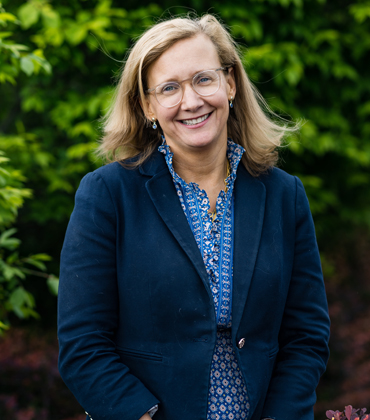
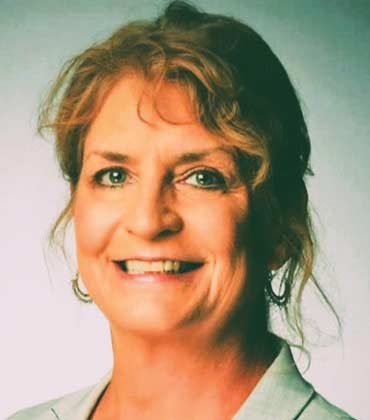
Marianne Romsek, Food Service Director, Bloomfield Hills Schools
Professional Development Services
The Enduring Purpose of Educational Leadership
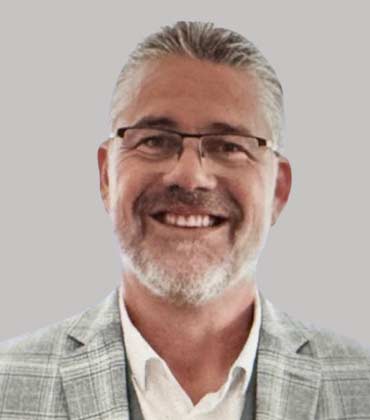
Dr. Scott D. Ripley, Superintendent, High Point Regional High School District
Professional Development Services
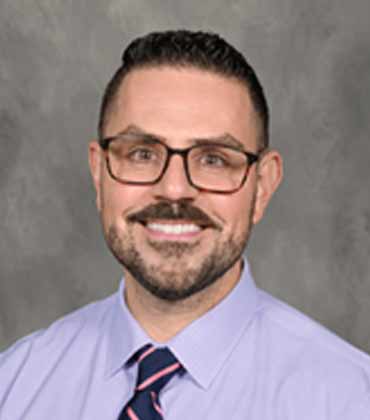
The Educator Creating Coherence for Student Growth
Camilo Machado-Cleary, Principal, Chelsea Public Schools
STEM Schools
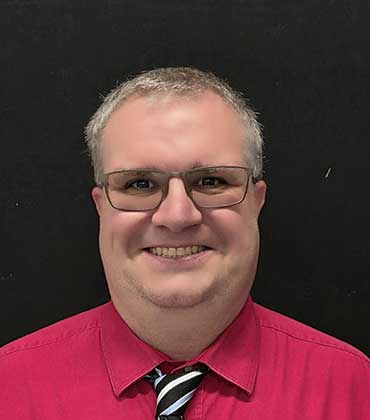
Growing Great Teachers, Growing Great Learners
Brian Butera, School Principal, Fayette County Public Schools
Catholic Schools
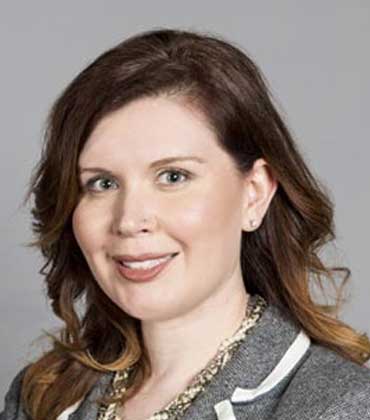
From Consumption to Creation: Strengthening Workforce Readiness Through Robotics
Molly McCoy Plyler, Ed.D., Director of STEM & Computer Science, Jackson Madison County School System
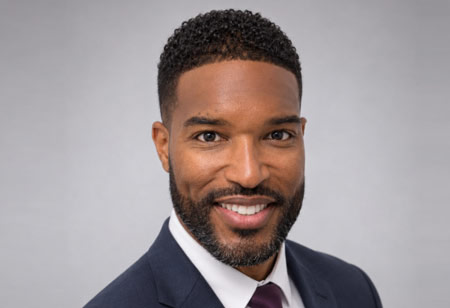
IN MY OPINION
Medical Colleges and Universities
Leading Digital Transformation in Academic Pharmacy
Larvell Davis, MS, MBA, Director of Information Technology, VCU School of Pharmacy
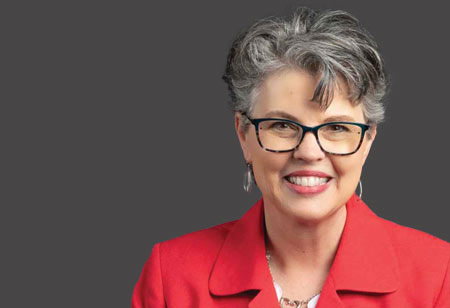
LAST WORD
Business and Management Schools
Leading Hybrid Teams: The Realities of In-Person and Remote Teams Leadership
Dr. Susan (Goforth) Wegmann, Executive Director, VSU Online College for Career Advancement, Valdosta State University
IN FOCUS

3D Printer Training Services Expand Hands-On Learning Across Education
3D printing reduces production time, speeds product development and improves design flexibility.
Educating for Innovation: The Role of Agricultural High Schools in a Changing Industry
Agricultural high schools develop practical, business-ready talent that supports innovation, productivity, and sustainable growth across modern agricultural economies.
EDITORIAL
Building Schools around Student Success
Our cover story features Jill Gaston, Deputy Superintendent at Lufkin ISD, recognized as the Deputy School Superintendent of the Year 2026. Gaston’s leadership approach is built around collaboration, communication and understanding how every part of a district affects another. At Lufkin ISD, she works across academic strategy, leadership development and community relationships, bringing a systems level perspective to decision-making. Her focus is on strengthening the current role she holds by ensuring that students, educators and stakeholders can work within systems designed to support success.
St. Stephen’s and St. Agnes School is recognized as the Top College Preparatory Episcopal Church School 2026. The school combines rigorous academics with advisory, service, respectful discourse, arts and athletics while emphasizing community responsibility and character development.
Chartwells is recognized as the Top School Dining Services 2026. Its approach goes beyond providing meals by focusing on student preferences, nutrition and the overall dining experience. Through culinary expertise, student feedback and data insights, the company works with schools to create programs that encourage participation and support student well-being.
The issue also features Molly McCoy Plyler, Ed.D., Director of STEM & Computer Science at Jackson Madison County School System, who examines how robotics can move students from passive technology use toward hands-on creation and workforce readiness. Marianne Romsek, Food Service Director at Bloomfield Hills Schools, discusses how K-12 nutrition programs have evolved toward healthier meals, stronger food quality and greater recognition of their role in student success.
The perspectives in this edition focus on creating school environments that prepare students for what comes next. We invite our readers to explore these perspectives and the different ways educators and leaders are strengthening learning experiences.

Get the best of Education Insider delivered directly to you.
