
At Murray State College, transformation has never been about chasing numbers. It has been about understanding people, listening to communities, and creating opportunities that allow students to build better futures. Over the past several years, the institution has taken deliberate steps toward becoming a workforce-focused college, aligning its programs, partnerships and student experiences with the needs of southern Oklahoma and North Texas. The goal has been simple yet ambitious: connect students with the education, skills and confidence they need to succeed while helping strengthen the communities around them. For Dr. Tim Faltyn, president of Murray State College, the college’s progress represents more than institutional growth. It reflects a cultural shift across the entire campus, one in which faculty, staff, partners and students understand that each person plays a role in achieving meaningful outcomes.
Stem Charter Schools
Very few educational institutions extend their reach beyond academics to uplift families and bring the community together through compassion and collective growth. In Duval County, River City Science Academy (RCSA) is a testament to this progress, having evolved from a single campus with just 170 students in 2007 to six thriving campuses serving grades K–12. Its growth is rooted in an approach that combines a strong STEM curriculum with opportunities that encourage academic achievement and civic responsibility. Today, RCSA stands as the first charter in Duval County to achieve both an A-grade and high-performing status from the Florida Department of Education. Every campus in the RCSA network holds the accreditation—a distinction that highlights consistent quality across all schools. “Our goal is to equip students with the skills, character and vision to thrive in a changing world and shape stronger communities for future generations,” says Dr. Dogan Tozoglu, executive director. Beginning in kindergarten, students take part in daily, hands-on activities in science, coding and robotics that spark curiosity and build technical skills. By middle school, they participate in Olympiads, STEM clubs and advanced courses, while high school students pursue the AP Capstone program and dual enrollment, earning college credits. RCSA’s waitlist is a testament to its growing demand. Families recognize the value of a school system where conviction drives results. Each student benefits from learning methods tailored to their strengths, interests and goals. Teachers and senior students serve as mentors, guiding peers and younger cohorts through academic support, one-on-one guidance, leadership programs and service-learning projects that strengthen relationships across grade levels. Teachers receive ongoing training that blends rigorous pedagogy with technology integration, equipping them to design instruction that fosters critical thinking and project-based learning while applying AI tools.

Bible Colleges

Catalyst Bible College (CBC) prepares students for a life of service with Christ-centered education that is accessible and financially attainable. Many private colleges charge high tuition, leaving students with substantial loans. The burden of repayment can postpone their plans to enter fields like ministry or community service. CBC keeps tuition intentionally low and supplements it with merit-based scholarships, with the goal of helping every student graduate debt-free. Undergraduate and adult learners receive education that blends classroom learning with ministry practice. While the college emphasizes developing a heart for missions, students are also fully prepared to apply their skills in a variety of professional fields, allowing them to pursue careers and ministries with confidence. “We’re committed to guiding students toward graduation with minimal or no debt,” says Dr. Mark Merrill, president and founder. That bold mission is already showing results, as the first graduating class completed their studies without taking on loans. Students often pay $305 per credit hour, which makes the cost of a four-year degree about $36,500. Multiple funding streams help maintain this cost. CBC partners with Nelson University in Waxahachie, Texas, a regionally accredited host institution. This partnership helps students qualify for federal financial aid, including Pell Grants and subsidized and unsubsidized student loans. It also negotiates the tuition rate to ensure students pay significantly less than their peers at comparable schools. Visalia First, the local church, sets aside half of its annual global mission fund to support the college as a mission-focused initiative. This brings about $500,000 annually for scholarships and student support. CBC board members from across the country also contribute funds from their own ministries. An annual fundraiser draws supporters nationwide to hear CBC’s story and pledge gifts, generating another half a million dollars.
Top 10 Academic Deans - 2026
For Stephanie Stephens, academic leadership begins with a question beyond grades, test scores, and college admissions: What kind of person will a student become? As Academic Dean at Woodward Academy, Stephens approaches education as preparation for participation in society. Her vision places intellectual development alongside compassion, community, and judgment. “Students have to be prepared to positively contribute to society in whatever area they choose to,” Stephens says. She believes students must understand that their actions extend beyond themselves, shaping communities and society. Building Skills for an Uncertain Future That purpose matters in a world of uncertain careers. Stephens believes schools should equip students with knowledge that travels across subjects while developing critical thinking and ethical problem-solving. Technology will continue to change, but students who know how to analyze situations, solve problems, and adapt can keep learning as circumstances shift.
After School Training
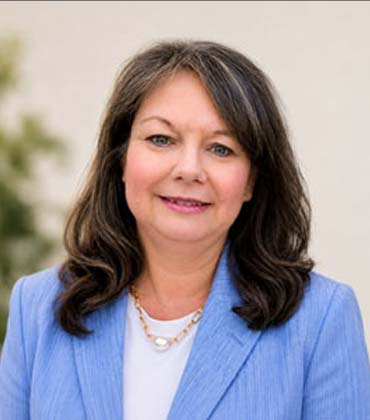
Rethinking Online Learning: Designing for the Moments Students Have
Jennifer Jones, Ed.D., Distance Learning Director, Alamance Community College
Charter Schools
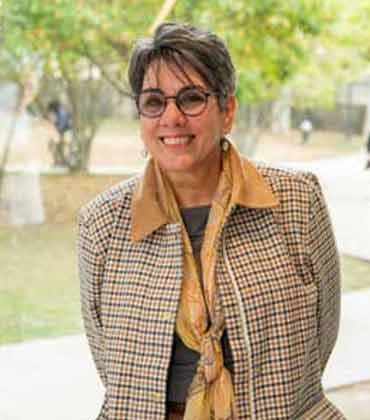
The Architecture of Better Counselor Education
Antoinette Gines-Rivera, Director, Clinical Mental Health Counseling Program, Saint Peter's University
After School Training
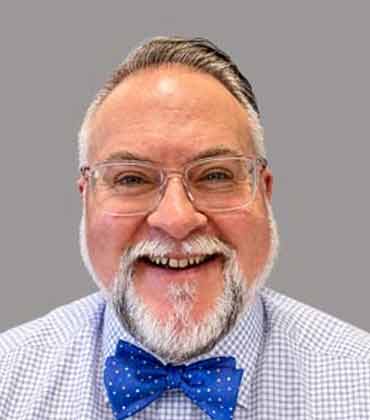
Building a More Proactive Path to Student Success
Andrew Pollom, Vice President of Student Affairs, University of Southern Maine
IN MY OPINION
Career Colleges
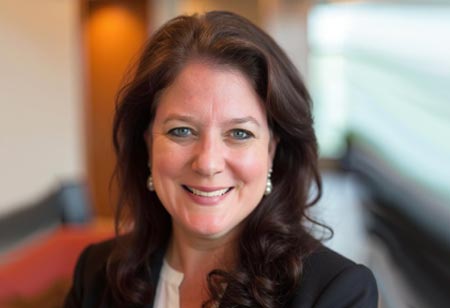
One Size Doesntt Fit All: The Business Value of Adaptive, Customized Training
Heidi J. Braun, Director of Training and Workforce Development, Professional & Workforce Training Services, Anoka-Ramsey Community College
LAST WORD
After School Training
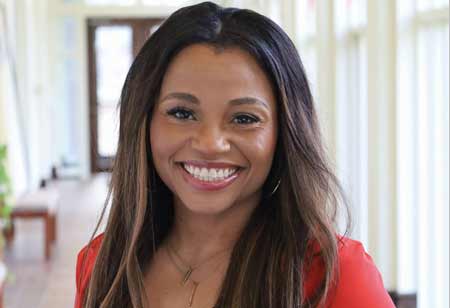
Creating Meaningful Student Engagement in Modern Higher Education
Dr. Sophia McDermott, Dean of Student Engagement & Title IX Coordinator, Hastings College
IN FOCUS

Designing Learning Environments That Drive Engagement and Outcomes
Modern classroom furniture design is essential for enhancing student engagement, comfort, and collaboration, directly impacting academic performance and overall well-being.

Exploring the Perks of College Admissions Consultant
College admissions consultants provide expert advice on the college application process, reduce unneeded stress, and increase chances of entrance to highly competitive colleges.
EDITORIAL
Preparing Students for a Changing World
This edition of EducationInsider delves into how institutions are responding to evolving expectations, connecting academic success with practical skills and personal development.
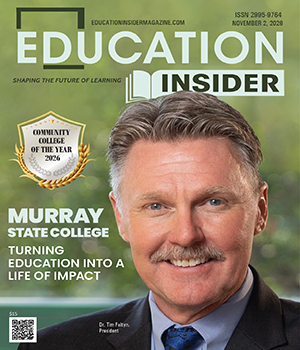
The cover story features Murray State College, recognized as the Community College of the Year 2026 due to its dedication to workforce development and community development. Murray State College has ensured the alignment of its academic offerings with the needs of regional employers and has enhanced its flexible learning options. Through collaboration with industry and community partners, the program requirements have been designed according to the demands of the workforce.
The edition also examines academic leadership through the perspective of Stephanie Stephens, Academic Dean at Woodward Academy, recognized among the Top 10 Academic Deans 2026. Her approach combines differentiated academic rigor with intellectual curiosity, giving students room to explore ideas, form independent conclusions and develop the judgment needed to contribute meaningfully to society.
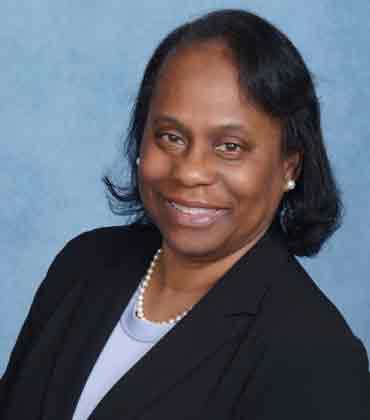
Online education is accompanied by unique challenges that call for the integration of academic rigor and a learner-friendly experience. According to Antoinette Ginés-Rivera, PhD, Director of the Clinical Mental Health Counseling Program at Saint Peter’s University, a successful education process involves the combination of all the key elements, such as accreditation, curriculum development, supervision and training in cultural competency. In her turn, Jennifer Jones, Distance Learning Director at Alamance Community College, stresses that an effective online education should be designed in such a way that it takes into account the students’ needs.
Across these perspectives, the common thread is that effective education begins with understanding learners and preparing them for the challenges beyond graduation. By connecting purpose with practice, institutions can help students build the knowledge, confidence and adaptability to shape their futures.
Explore the edition further to discover how education leaders are creating meaningful learning experiences and expanding opportunities for students and communities.

