

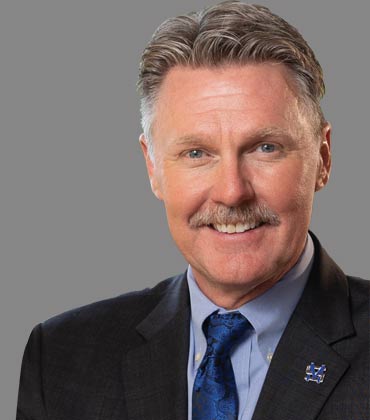
 Jordyn Frazier, Vice President of External Affairs and Executive Director of Murray State College Foundation
Over the past several years, the institution has taken deliberate steps toward becoming a workforce-focused college, aligning its programs, partnerships and student experiences with the needs of southern Oklahoma and North Texas. The goal has been simple yet ambitious: connect students with the education, skills and confidence they need to succeed while helping strengthen the communities around them.
For Dr. Tim Faltyn, president of Murray State College, the college’s progress represents more than institutional growth. It reflects a cultural shift across the entire campus, one in which faculty, staff, partners and students understand that each person plays a role in achieving meaningful outcomes.
“When you create an environment where people understand that everyone has a role to play in helping these students fulfill their potential, you see people stepping up in almost magical ways,” Faltyn says.
That belief has shaped Murray State’s approach to education. The college focuses not only on helping students earn credentials but also on preparing them for careers, communities and lives of purpose.
Learning Beyond the Classroom
At Murray State, education does not end when students leave the classroom. The institution has cultivated a campus culture in which every interaction can be an opportunity for growth.
Faltyn believes students learn in every corner of the college experience, from conversations with financial aid staff to interactions in student services, activities and campus spaces. These moments help students build confidence, understand expectations and recognize the possibilities available to them.
This philosophy has shaped how Murray State approaches student support. Scholarships, for example, are seen not only as financial assistance but also as tools that help students connect their education to future goals.
When you create an environment where people understand that everyone has a role to play in helping these students fulfill their potential, you see people stepping up in almost magical ways.
The college’s work scholarships and foundation scholarships encourage students to reflect on what they are studying, why it matters and how it connects to their future careers. Rather than simply providing access to education, Murray State focuses on helping students understand how education can be a pathway to opportunity.
“Learning happens everywhere on a college campus,” Faltyn explains. “They learn at the financial aid counter, in the student union, and certainly in the classroom, but they learn everywhere on campus.”
This approach has fostered a sense of shared responsibility. Faculty members, administrators, coaches and staff members all contribute to student success by recognizing that their interactions can influence a student’s journey.
Becoming a Workforce-Focused Institution
Murray State’s growth has been tied to a strategic decision: to focus on programs where the college can have the greatest impact. Rather than trying to be everything to everyone, the institution identified its role as a workforce college serving regional needs. This decision enabled Murray State to concentrate on programs that lead directly to employment opportunities while also responding to industry demands.
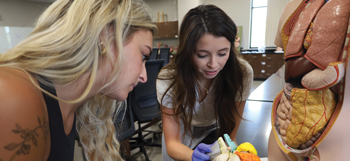 The result has been significant momentum at a time when many higher education institutions are facing enrollment challenges. The college has continued to attract students by offering clear reasons to choose Murray State, whether through academic programs, flexible learning options, location or unique activities.
Faltyn highlights specificity and efficiency as key drivers of the college’s success. Students today often balance education with work, family responsibilities and other commitments. Murray State has responded by offering multiple pathways, including online, hybrid and traditional learning formats. The focus is not only on making courses available but also on ensuring students can access the right courses at the right time.
The college has also shifted away from broad academic offerings toward programs with clear workforce connections. This strategy helps students understand what opportunities exist after graduation and how their education translates into a career.
Finding Students Through Passion
One of Murray State’s most distinctive approaches has been to use activities and specialized programs to reach students who may not have originally considered college.
-
Learning happens everywhere on a college campus. They learn at the financial aid counter, in the student union and certainly in the classroom, but they learn everywhere on campus.
The institution’s national championship shotgun and bass fishing teams have become powerful recruitment tools, attracting students who connect with these activities and then discover broader educational opportunities. For some students, these programs provide the first connection to higher education. Once they arrive on campus, they find pathways to careers such as nursing, engineering, teaching, gunsmithing and other fields that support regional needs.
The philosophy is not to separate student interests from professional preparation but to use those interests as a starting point. Murray State understands that students are more likely to succeed when they feel connected. Activities foster belonging, while academic programs provide the skills needed for long-term success. This approach reflects the college’s broader mission: helping students find a future that aligns with both their interests and their potential.
Building Programs Around Community Needs
Murray State’s academic growth has been closely tied to conversations with employers, industry leaders and community partners.
The college regularly works with advisory committees composed of professionals who provide insight into workforce trends and evolving industry expectations. These conversations help faculty members adjust the curriculum and ensure that students graduate with relevant skills.
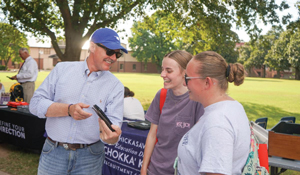 One example is the college’s hospitality program, developed through partnerships with regional employers. Students gain practical experience in a campus-based boutique hotel, learning how the hospitality industry operates while earning academic credit.
Another example is the development of the speech pathology assistant program. After school districts identified a growing need for support in communication and literacy services, Murray State partnered with professionals to create a program to address that shortage. These programs demonstrate how the college responds to real challenges rather than simply creating academic offerings without purpose.
Murray State's relationship with community partners is built on ongoing communication. Employers share their needs, faculty members adapt programs, and students gain opportunities that prepare them for meaningful careers.
Investing in Students and People
Student success requires more than strong academic programs. It also requires resources, guidance and people who are available when students need support.
Murray State has expanded scholarship opportunities to reduce financial barriers for students. The Murray State College Foundation has played a key role in these efforts, increasing scholarship support and helping more students access higher education. The college has also expanded its workforce. As enrollment and programs have grown, Murray State has increased the number of employees supporting students throughout their educational journeys.
For Faltyn, this investment in people is among the institution’s greatest strengths. Technology, facilities and systems are important, but relationships remain central to student achievement. Students need individuals who can guide them, answer questions, offer encouragement, and help them navigate challenges. This commitment matters especially because many Murray State students are first-generation college students discovering higher education opportunities for the first time.
Preparing for the Future
Looking ahead, Murray State College is focused on maintaining the momentum it has built while continuing to adapt to a changing workforce.
The institution is exploring new models that more closely connect education with industry, including workforce-focused bachelor’s pathways and expanded opportunities for hands-on learning. According to Faltyn, the future of higher education will require institutions to move beyond traditional approaches and focus on what students and employers need.
Murray State’s leadership believes long-term success depends on building systems that continue to serve students even as technology, industries and communities evolve. The college’s transformation has been supported by a shared belief among employees, partners, and supporters that education can change the trajectory of individuals and communities.
“We don't look at it in terms of statistics. We don't look at it in terms of accomplishments. We look at it in terms of people,” Faltyn says.
A College Defined by Impact
Murray State College is entering a significant period of growth and change, yet its foundation remains the same: helping people achieve more than they thought possible.
By focusing on workforce needs, building meaningful partnerships, expanding student support and developing programs that address community challenges, the college has positioned itself as a key contributor to regional development.
Murray State College has been named the Community College of the Year 2026, recognizing the institution’s continued commitment to student success, innovation and workforce advancement. The recognition reflects the work of an entire campus community that has embraced change while staying focused on its purpose. For Murray State, success is measured not only by how many students enroll or graduate, but also by what those students accomplish.
As the college writes its next chapter, its mission remains centered on connecting people with their futures and creating opportunities that extend beyond the classroom. Through education, partnerships and a commitment to people, Murray State College continues to demonstrate the lasting impact a community college can have.

