
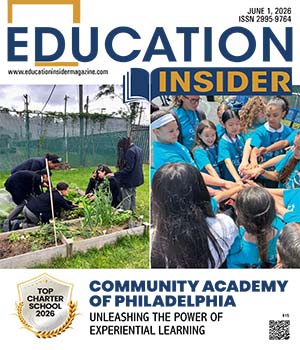
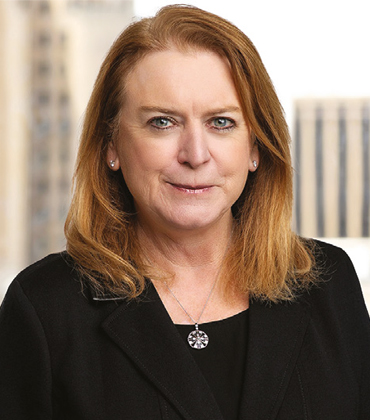
What role does experiential learning play in connecting students with real-world understanding? Community Academy of Philadelphia (CAP) is built on a clear principle: students learn best when they can connect emerging knowledge to real-world experiences. If students visit Verona, Italy, Shakespeare feels familiar. Whether they visit the local medical university's cadaver lab or conduct an interview with a NASA official, they carry that learning into their STEM classes. These experiences help them connect abstract concepts to something real, strengthening both understanding and retention. Without that foundation, classroom concepts can remain distant, making it harder to form connections, retain information, and apply learning with confidence. A strong advocate of experiential learning, CAP works to create meaningful experiences as part of everyday education. Across its K–12 program, its students—many of whom otherwise have limited exposure to outside experiences—engage in a wide range of opportunities, from extracurricular programs to overseas trips that expose them to different cultures, history and ideas. “Experiential learning provides the essential first step that allows knowledge to connect, expand and ultimately transform into new ideas,” says Dr. Alberta O’Brien, CEO. A veteran educator, O’Brien has spent more than three decades in the education industry shaping innovative programs, strengthening academic success, and promoting student well-being.
Educators Insurance and Financial Solutions Company of the Year 2026
What foundational purpose guides Horace Mann’s approach to supporting educators financially? Founded in 1945 by educators for educators, Horace Mann was created with a clear purpose: to support those who serve in our schools with financial solutions built around their specific realities, not the broader mass market. That focus continues to guide how the company listens, designs solutions, and measures success today. While many insurers start with products, Horace Mann starts with educators—their challenges, goals, and day-to-day financial pressures—and builds solutions around them. That includes understanding the realities of student loan debt, modest starting salaries, complex retirement systems, and the personal investment many educators make in their classrooms. By addressing the unique financial realities educators face, Horace Mann plays a role in strengthening the profession by attracting new talent, improving retention, and supporting educators throughout their careers. For many, the financial journey begins with difficult trade-offs. Horace Mann’s approach is grounded in helping educators navigate those early challenges while building toward long-term financial stability and confidence. The company relies on decades of educator-specific data, continuous feedback loops, and direct presence within school systems to guide decision-making. Helping Educators Secure Lifelong Financial Success How does Horace Mann design financial solutions to support educators throughout their careers? Horace Mann offers a full range of insurance and financial solutions, including auto, home, life, retirement solutions such as 403(b) plans, and supplemental and employer-sponsored coverage. What sets the company apart is how these solutions are designed and delivered – with educators at the center. Instead of treating each product as a one-time transaction, the company focuses on supporting educators over time. Early in a teacher’s career, that might mean helping to manage debt and establish basic protection. As needs evolve, the focus shifts to retirement planning, growing savings and protecting what matters most.
Top Community College 2026
Rowan College of South Jersey
Education Designed for Career Readiness
Dr. Brenden Rickards, President
What challenges do first-generation students face when navigating higher education systems today? Many first-generation students entering higher education face unclear expectations and complex institutional jargon, which can hinder comprehension and slow their academic progress. Rowan College of South Jersey (RCSJ) addresses this by making academic language more accessible. Majorly serving first-generation college attendees, it aligns communication directly to student needs, ensuring expectations, pathways and outcomes are clearly understood from the outset. Students arrive at the college seeking training oriented toward their employment aspirations. RCSJ structures its academic model to bridge this intent, integrating traditional disciplines with career-focused pathways that support immediate and practical workforce entry. “We believe in opening doors—making sure every individual has access to meaningful training and the support to pursue whatever path they choose,” says Brenden Rickards, president.
Bible-Based University of the Year 2026
Malone University
Reframing Higher Education through a Bible-Based Lens
Gregory J. Miller, President
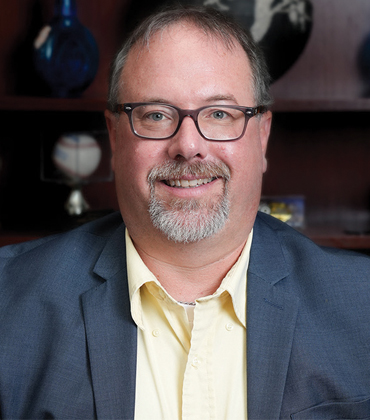
What defines Malone University’s approach to integrating faith with higher education systems? Malone University is a distinctive presence in Christian higher education, shaped by a deliberate commitment to being historically Christian and unapologetically Bible-based in its philosophy, pedagogy, and campus life. Under the leadership of President Gregory J. Miller, the institution has refined a model that integrates faith with intellectual rigor, character formation, and professional preparation in a way that speaks to the needs of today’s students and the world they will enter. At a time when higher education is often marked by specialization and fragmentation, Malone’s approach is rooted in coherence. Its identity as a Christ-centered university is not limited to symbolic expressions or isolated programs; it shapes every layer of the student experience. That begins with a clear sense of mission. As Miller explains, “Malone’s approach as a Christ-centered, Bible-based institution is really distinctive, and I am absolutely convinced that in our cultural moment, it is of critical importance.” That conviction informs both the university’s internal culture and its outward engagement with society. Building a Faith-Aligned Academic Community How does alignment between mission and personnel influence the student learning environment? Central to Malone’s model is a careful alignment between mission and personnel. Faculty and staff are selected not only for their academic or professional qualifications, but also for their shared commitment to the institution’s Christian purpose. This alignment creates an environment in which students encounter a consistent ethos across classrooms, residence halls, and daily campus life. The result is an educational setting where mentorship extends beyond formal instruction and becomes a lived expression of care, attentiveness, and moral responsibility. This foundation supports Malone’s most defining academic feature: the integration of faith and learning across every discipline. Rather than confining spiritual inquiry to theology courses, the university embeds it into each field of study through a consistent set of guiding questions. Students are encouraged to examine what it means to engage their chosen discipline as followers of Jesus and to consider the relevance of biblical teaching within that context. This approach does not alter the technical content of programs such as accounting, nursing, or business, but it reframes the purpose behind that knowledge. Ethical reasoning, service orientation, and character development are treated as essential components of professional competence. Building Lives, Not Just Careers Why is spiritual formation considered a core component of the overall educational experience? The impact of this model is especially evident in Malone’s graduates, who are recognized not only for their technical abilities but also for their approach to work. Employers often note a distinctive combination of competence and compassion, especially in fields such as healthcare, where sensitivity to both physical and emotional needs is critical. This reflects the university’s broader aim of forming individuals who contribute constructively to their professions and communities. Complementing academic integration is a structured commitment to spiritual formation. Every undergraduate student participates in a program that includes chapels, Bible studies, and other forms of guided reflection. These experiences are designed to accommodate a wide range of backgrounds, from those deeply familiar with Christian practice to those encountering it for the first time. Participation is required, reinforcing the idea that spiritual development is not an optional supplement but a core element of the Malone experience. The university also establishes a clear framework for community life through lifestyle expectations that emphasize discipline, respect, and intentional living. Policies such as maintaining an alcohol-free campus and structured residential guidelines are not imposed as restrictions alone, but as part of a broader effort to cultivate an environment conducive to personal growth. For students and families who seek such an atmosphere, these commitments represent a deliberate and meaningful choice.
Top Interactive Learning Solutions 2026

Students engage deeply when education is rooted in application-based understanding, rather than merely reciting concepts. When learners experiment, analyze and apply what they learn, comprehension becomes easier and knowledge transforms into skills. activelearninglabs leverages this principle and transforms traditional education into interactive, real-world digital simulations and collaborative activities to drive active learning. Catering to educators, schools and districts, the ed-tech company offers modules that enhance teaching, enrich classrooms and utilize the ‘power of doing’ to engage students. Its hands-on, team-based experiences facilitate a deeper understanding of the lessons by making learning more immersive and result-driven. “Every activity is designed through the student’s lens, prioritizing what drives genuine engagement and builds durable skills,” says Tim Felke, founder and CEO. Each lesson is designed to be highly interactive, offering users opportunities to experiment and explore within dynamic digital models. This enables them to manipulate variables, observe cause-and-effect relationships and make informed decisions. The activities encourage teamwork through collaborative problem-solving grounded in real-world applications. From running a factory, starting a business or managing a project, the modules transform learning into practical, future-ready skills. ActiveLearningLabs’ approach is best demonstrated in one of their activities, where a group of students manages a snack stand at a virtual school field day event. Students work in teams using historical data to build demand models, adjust pricing and plan inventory in order to maximize profit. The activity teaches students to think critically, make data-driven decisions and reflect on outcomes achieved. This group-oriented collaboration culminates in classroom-wide competition that turns education into an inspiring and curiosity-driven experience. Educators are the catalysts of academic success, and ActiveLearningLabs ensures they are always equipped with the necessary resources. Through an intuitive teacher console, it provides a comprehensive set of tools that allows them to assign activities and track progress. The built-in guides and insights enable timely interventions, helping identify where additional support is needed and provide directions on how to address it. This minimizes administrative burdens, allowing teachers to focus on meaningful instruction.
Top 10 Directors of Career Services - 2026

In an interview with Education Insider, Eileen Southam McGovern, Director of Career Services at Aveda Arts & Sciences Institutes, discusses the evolving landscape of student success,

As higher education faces increasing pressure to demonstrate return on investment, universities are rethinking how students engage with career services.
Programs and Curriculum

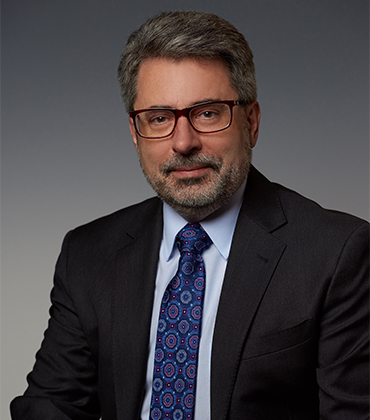
Relevance of Fostering a Positive Adoption of AI in Higher Education
Peter Shea, Assistant Dean for AI Integration, Middlesex Community College
Community Colleges

Bridging the Gap: Lessons from a Decade of Student Financial Aid Administration
Haley Lindsey, Director of Financial Aid, Missouri Western State University
Independent Schools
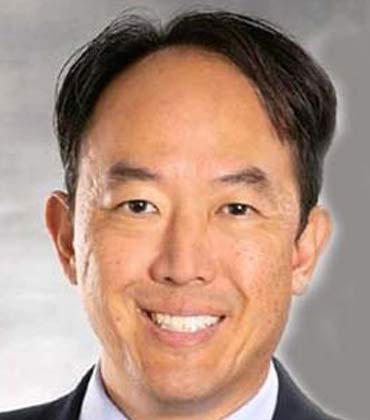
XR Technologies: Teaching and Learning through Interactive, Accessible and Immersive Experiences
Anthony Chow, PhD, Professor and Director, San Jose State University School of Information
Christian Colleges

Redefining Classroom Experiences With Digital Tools
Amos Gutierrez, Director of Instructional Design, Adams Center for Teaching and Learning, Abilene Christian University
Charter Schools
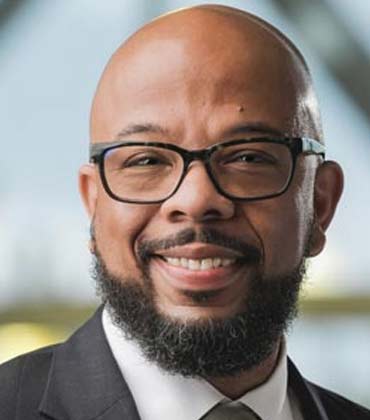
Preparing Every Classroom for Career Success
Jarrad Grandy, Executive Director of Student Services, Oakland Schools

IN MY OPINION
Art and Design Colleges
Building a Culture of Caring in Higher Education
Emily Jarvis, Assistant VP Student Health and Wellbeing, Georgia College & State University

LAST WORD
Catholic Schools
Integrating Social-Emotional Learning in Special Education
Hillary Rios, Associate Director of Special Education, Lorain City Schools
IN FOCUS

Adaptive Teaching Strategies Helping Charter Schools Narrow Achievement Gaps
Adaptive teaching enables charter schools to personalize instruction, accelerate learning growth and reduce achievement gaps through data-driven, flexible, student-centered practices.
Elevating Financial Well-Being: Strategies for Education Professionals
Educator-focused insurance and financial firms adapt to workforce shifts, regulatory demands, and rising expectations through specialization, trust-driven relationships, and strategic positioning.
EDITORIAL
Creating Relevant and Connected Learning Experiences
Our cover story, Community Academy of Philadelphia, recognized as the Top Charter School 2026, has built a studentcentered model grounded in experiential learning and whole-child development. Under the leadership of Dr. Alberta O’Brien, the school connects classroom learning with real-world experiences through STEM initiatives, career-focused programs and strong emotional support systems, helping students build confidence, engagement and long-term academic growth.
This edition also recognizes organizations strengthening education through specialized support and student-focused innovation. Horace Mann, named Educators Insurance and Financial Solutions Company of the Year 2026, continues to support educators through tailored financial guidance, retirement planning and insurance solutions designed around the realities of the profession. Malone University, recognized as Bible-Based University of the Year 2026, has built a learning environment that combines academic rigor with faith-centered mentorship, character development and purposedriven education. Rowan College of South Jersey, awarded Top Community College 2026, continues to expand affordable workforcealigned pathways through strong industry partnerships and practical career-focused programs.
Leadership perspectives throughout this issue show the importance of relevance and student-centered support. Eileen Southam McGovern of Aveda Arts & Sciences Institutes and Peter Alkatib of Point Loma Nazarene University, recognized among the Top 10 Directors of Career Services 2026, discuss how career services are evolving into more integrated, campus-wide systems focused on access, preparation and long-term student success. Contributors Haley Lindsey and Jarrad Grandy further highlight the importance of financial guidance, career-connected learning and cross-functional collaboration in helping students succeed beyond graduation.
We invite our readers to explore the insights shared throughout this issue and engage with the strategies shaping the future of education.

