
Paterson Charter School for Science and Technology has spent more than two decades shaping itself into one of New Jersey’s most closely watched public charter schools. Serving over 1,800 students across multiple campuses, the school operates in a community where educational demand consistently exceeds available seats, yet expectations for opportunity remain high. What has emerged over time is not just a K–12 charter school, but a system that tries to balance rigor with accessibility, structure with flexibility, and academic ambition with deep community responsibility. The school’s identity is closely tied to Paterson itself—its families, its diversity, and its long-standing need for pathways that connect high school learning to college and careers. This philosophy is reflected in both its internal practices and its external recognition, including statewide honors that have placed PCSST among a small group of New Jersey schools identified for measurable progress in equity and access.
High Schools
Students with neurodiverse and neurotypical learning profiles often benefit from a combination of educational, behavioral and therapeutic support throughout their learning journey. Yet many families must navigate a fragmented network of services and support while trying to maintain consistency in their child's development. Blue Horizon School Academy serves both neurodivergent and neurotypical students in an inclusive learning environment where every child is valued and supported. Its neurotypical students play an important role as positive peer models, helping foster meaningful social interactions, empathy and friendships throughout the school community. They also receive a high-quality, standards-based education using a grade-level curriculum designed to challenge and prepare them for future academic success. It was purpose-built to create the kind of learning environment many students cannot access in traditional schools. Recognizing that every child learns differently, instruction is individualized to meet each student's unique strengths, needs and learning pace. Whether a student requires additional support or performs at or above grade level, teachers provide differentiated instruction. “We don't want to be just another school. We want to become the standard and reach as many children as we can,” says Arlene Velazquez, principal.

Special Education Schools

For more than 30 years, the Maine School of Science and Mathematics (MSSM) has challenged students through advanced STEM education while continually examining how that education should evolve. The school does not treat its model as fixed. It evaluates changes in student preparation, engagement and future skill requirements, then adjusts the learning experience accordingly. This willingness to question established practices and refine how students are taught and supported has become central to MSSM’s identity. One of the country’s few public boarding schools, MSSM creates an immersive academic community where faculty and residential instructors guide students through challenging coursework while helping them build the confidence needed for college success and beyond. “We take students where they are, give them a level of challenge they may not see elsewhere and provide the support that helps them thrive and reach levels they would not reach in traditional settings,” says Rob Constantine, executive director.
Online Colleges and Universities
For many working professionals, the demands of career, family, finances, geography, and language can make earning a U.S.-style degree seem out of reach, turning higher education into a chapter they believe has already closed. Enovus University is changing that perception by serving adult learners who are already building careers, supporting families, and seeking a path to professional advancement. Through its fully online, Spanish-language programs backed by a U.S. institutional framework, the university creates new opportunities for students who once assumed that earning an internationally recognized degree was beyond their reach. The institution’s approach centers on expanding access and creating opportunities for students who once believed a U.S.-style degree was unattainable. Enovus University combines Spanish-language instruction with academic standards designed to ensure consistency across countries and professional backgrounds. Its model demonstrates that flexibility and academic rigor can coexist.

Top K-12 Computer Science Curriculum Platform 2026

How does Mastery Coding embed computer science across K–12 education systems? Computer science is no longer an optional literacy — it is foundational education. Mastery Coding was built to embed that foundation into every K–12 classroom, making emerging technology education accessible, rigorous, and scalable across districts nationwide. While not every student will become a software engineer, every student deserves fluency in the digital systems shaping modern life. Mastery Coding partners with schools to deliver structured, standards-aligned pathways that meet learners where they are — supporting both technical and creative students within a unified system. The result is measurable skill development, real-world relevance, and expanded opportunity. “Engagement without rigor isn’t enough,” says Alan Sitomer, Chief Executive Officer. “We connect students’ passion for technology and gaming to workforce-aligned skills that open real career pathways.” The platform blends guided instruction with project-based learning, empowering students to build, test, and apply knowledge in authentic contexts rather than memorize isolated concepts. From foundational coding to advanced applications, students develop tangible competencies while teachers benefit from a streamlined system designed for practical classroom implementation.
Hotel and Hospitality Colleges

Supporting Mental and Emotional Health Through Learning Spaces
Robert Dillon, Director of Innovative Learning, School District of University City
Test Prep and Tutoring Services

Bringing the Digital Future in the Growth of STEM Education
Rabieh Jamal Hafza, Director of Stem and Innovative Practice, Henry County Schools
Bible College
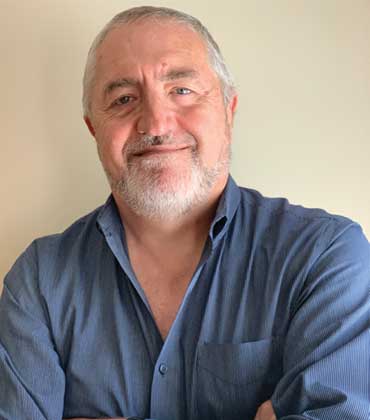
The Future of Student Performance Prediction is Data-Driven Analytics
Eitel Lauria, Director of Graduate Programs, Marist College
Career Colleges
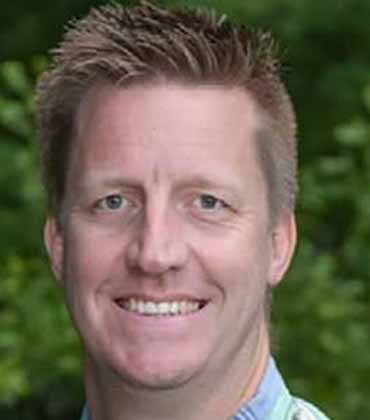
Designing Innovation through People, Not Ideas
Nathan Kraai, Director of Innovation and Design Thinking, The Fenn School
Charter Schools
Redefining Innovation in Modern School Systems
Dave Termunde, Chief of Innovation, Technology, Operations / Project Manager, Arbor Park School District 145

IN MY OPINION
Boarding Schools
Innovation in Education Starts with Changing Conditions
Matthew Callison, Director of Innovation and Strategic Partnerships, South Fayette Township School District
LAST WORD
Bible College
Building Purpose-Driven Edtech Ecosystems
Christopher Bolin, Director of Technology & Innovation, Bethel Park School District
IN FOCUS
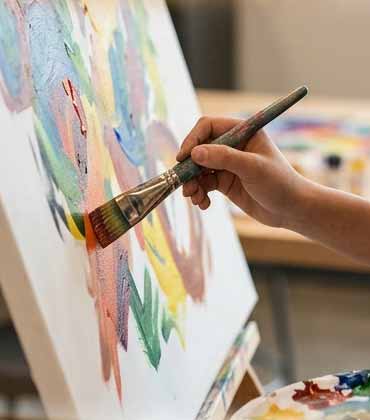
Charter Schools: Expanding Educational Choice through Flexible and Student-Centered Learning
Charter schools are continuously refining their educational offerings to align with changing expectations and demands.
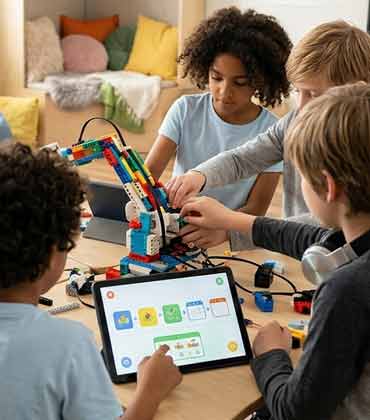
Learning for Every Mind: The Advancement of Neurodiversity in Education
Neurodiversity-centered schools use personalized learning, inclusive assessments, technology and specialized instruction to help diverse learners succeed.
EDITORIAL
Preparing Students for Tomorrow's Opportunities
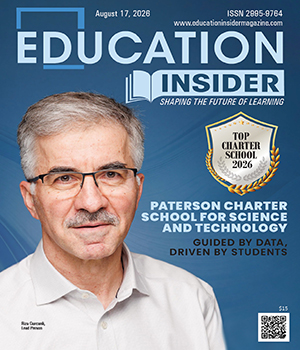
Our cover story features Paterson Charter School for Science and Technology, recognized as the Top Charter School 2026. The school has spent more than 20 years creating opportunities that extend beyond the classroom. By giving more students access to dual enrollment, strengthening pathways to college and careers and ensuring they receive the support they need, it continues to prepare young people for what comes next.
We also celebrate Maine School of Science and Mathematics, named the Top Public STEM High School 2026, for continually strengthening STEM education through hands-on learning, cross-disciplinary collaboration and a close-knit residential community that helps students grow with confidence. Blue Horizon School Academy, recognized as the Top Neurodiversity School 2026, is creating an inclusive learning environment where individualized instruction, coordinated therapeutic support and strong partnerships with families help every child reach their potential.
This edition also features perspectives from education leaders. Nathan Kraai, Director of Innovation and Design Thinking at The Fenn School, shares why meaningful innovation starts with empathy and designing learning around people. Rabieh Jamal Hafza, Director of STEM and Innovative Practice at Henry County Schools, explores how robotics, instructional technology and AI can enrich learning while preparing students for the future of STEM education.
While every story in this edition is unique, they all point to the same idea. Great schools never stop learning, improving and finding new ways to help students succeed. We invite you to explore this edition and see how these educators are making a lasting difference in the lives of their students.

