
Too often, districts launch program after program without pausing to understand the unique dynamics at play—the precise barriers keeping students disengaged, the subtle biases holding teachers back, or the hidden breakdowns in school systems. Da Vinci Collaborative breaks that cycle by treating every challenge as a hypothesis to be tested, not a checkbox to be ticked. Under Kerry Leo’s leadership, schools learn to define success on their own terms: What does genuine student engagement look like here? How quickly should we see shifts in instructional practice? By co creating clear, measurable goals and then gathering real time data—both numerical and narrative— Da Vinci guides educators through an iterative, evidence driven journey. Human connection stays front and center: teachers, leaders, and community members collaborate to interpret findings, refine strategies, and celebrate milestones. In this way, Da Vinci ensures that solutions aren’t just implemented—they’re understood, owned, and built to last. “At Da Vinci, we believe schools have the answers within them—they just need the right tools and processes to uncover them,” says Leo. “Our role is to guide them through a structured inquiry that builds their capacity to drive continuous improvement.” The Four Guiding Questions That Drive Impact At the heart of Da Vinci’s model is a deceptively simple framework built around four essential questions: 1. What is the problem? 2. Why is it happening? 3. What will we do about it? 4. How will we know we’ve succeeded? This framework—used by scientists, engineers, and systems leaders worldwide—is adapted by Da Vinci into a model for educational transformation. It starts with clarity. Schools often describe their problems in vague or reactive terms: “low reading scores,” “lack of student motivation,” or “disruptive classrooms.” But Da Vinci pushes for specificity. What data are we looking at? Who is most affected? When and where is the problem most visible? Are we mistaking correlation for causation? In the diagnostic phase, Da Vinci teams help districts triangulate data—quantitative (e.g., benchmark assessments, graduation rates, absenteeism) and qualitative (e.g., interviews, classroom observations, student voice). The aim is to create a shared, evidence-based understanding of the problem, not just among district leaders but across all stakeholder groups.
Top Student Data Management Services 2025
How EduSkills Is Streamlining Compliance and Centering Students A typical school day in the U.S. begins with contrasting realities: students step into classrooms carrying backpacks and aspirations, while educators juggle instructional goals and mountains of administrative tasks. For those supporting multilingual learners, the stakes are especially high. With the right tools, these students can thrive—academically, socially, and emotionally—while enabling schools to unlock critical funding and build inclusive learning environments. It’s a challenge Dr. J. Taylor Tribble knows intimately. His path—from international volunteer to classroom teaching and educational leadership—ultimately led to the creation of EduSkills, a digital platform designed to bring personalization to the data management process for multilingual learners. From Global Insight to Local Impact In the mid-1990s, a young Dr. Tribble traveled to northern India to volunteer with the Ladakh Project, supporting Tibetan refugees. Immersed in cross-cultural service, he witnessed firsthand how empathy and understanding can bridge even the widest divides. Over the next decade, he traveled and volunteered in more than 20 countries, deepening his appreciation for language and culture. “Those years abroad left an indelible mark on me,” he reflects. “They ignited a lifelong commitment to supporting individuals navigating language and cultural transitions—especially in our public school systems.” Back in Oklahoma, Dr. Tribble carried that global perspective into his roles as an EL teacher and school administrator. But like many educators, he found that compliance requirements and paperwork often left little time for meaningful student engagement. Late nights were consumed by paperwork rather than planning instruction.

Top Professional Development Services 2025

Strong teaching shapes how students see themselves and what they believe they can achieve. A well-timed question, a clear explanation or a moment of connection can build confidence and spark curiosity. This impact, however, needs structure, support and a school culture where excellent instruction is a sustained practice, not a one-off. That’s the work Learning-Focused is built around. Created by teachers for teachers—and for the leaders who guide them—Learning-Focused partners with schools and districts to embed high-impact strategies into daily planning, classroom delivery and leadership routines. It avoids one-day workshops or standalone toolkits, instead building professional ecosystems that link instruction with coaching, feedback and long-term improvement. Lesson planning becomes purposeful, anchored in strategies that support all learners. Delivery becomes consistent, built on shared practices that raise expectations and outcomes. Leadership becomes instructional, equipping leaders to coach, model and sustain progress. "We are trying to help each educator move through a specific continuum to go from wherever they start in their knowing to a higher level of doing," says Don Marlett, CEO. Turning Insight into Action No two schools face the same challenges. Some support early-career teachers in finding their rhythm. Others want to sharpen instruction for diverse learners or coach principals to align leadership with learning. Learning-Focused tailors support to help schools move forward deliberately and sustainably. Its core strength lies in instructional continuums and visual roadmaps that show how high-impact strategies progress from basic use to expert application. These tools close what the company calls the “knowing and doing gap”—the disconnect between understanding strong teaching practices and consistently applying them. Each continuum outlines clear steps, giving teachers an actionable next move and a concrete coaching tool for leaders. Instead of generic advice like ‘use partner work,’ the collaborative learning continuum shows how structured dialogue, prompts and feedback evolve at each level. Teachers see where they are and how to grow. Principals use the same tool to give feedback, track progress and build momentum.
Top Community College 2025
After 54 years of service to area students, Houston Community College (HCC) will be known as Houston City College. “This new name reflects our expanding mission of offering baccalaureate degrees while maintaining the value and qualities people know and expect from HCC,” says Margaret Ford Fisher, Chancellor. “As Houston City College, we will continue to provide quality, affordable instruction through certificates, associate and baccalaureate degrees at a community college price. This new name represents all the communities the college represents and positions the institution to serve with a ‘local focus and global reach.’” The announcement follows a year-long comprehensive research and stakeholder engagement initiative. It marks a strategic step forward in the college’s commitment to expand access to affordable, high-quality education while equipping students with the skills and credentials needed to succeed in competitive academic and workforce environments. In 2022, the Southern Association of Colleges and Schools Commission on Colleges (SACSCOC) approved HCC to offer workforce-focused Bachelor of Applied Science degrees. The inaugural graduates from these programs received diplomas at Spring Commencement May 2025. “This is not just about changing a name,” says Ford Fisher. “It is about embracing the institution we have become and signaling the future we are prepared to lead. While the name is changing, HCC’s identity and purpose remain the same.” The institution will continue to serve as a trusted educational partner, preparing students to meet the needs of a rapidly evolving economy through relevant programming, strategic partnerships and a strong commitment to student outcomes. HCC is one of the largest two-year colleges in the nation with an annual enrollment of more than 93,000 students in credit courses. Roughly 68 percent of its first-time, full-time students receive some sort of financial aid. It is second in the nation in awarding associate degrees to international students and third in awarding associate degrees to African Americans.

Top Teacher Continuing Education Provider 2025

Teachers are constantly investing in their students, but their own professional growth often takes a backseat. To move up the salary scale, renew licenses, and maintain certifications, they must complete continuing education. Yet after a full day of teaching, many return home to raise families, plan lessons, attend school events, or simply catch their breath. Traditional professional development often adds pressure. It is expensive, time-bound, and rarely designed with a teacher’s actual day in mind. What if professional development didn’t add pressure, but instead offered support and flexibility? ArmchairEd makes that possible. Created by educators for educators, the platform provides high-quality continuing education courses that are practical, affordable, and entirely self-paced. With formats approved for graduate credit and Washington State clock hours, the company is built to support real teachers living real lives. A single, consistent partnership with Seattle Pacific University ensures credit recognition without confusion, and its relevance-centered approach makes learning both meaningful and mandatory. Support That Starts with Understanding Teachers are incredibly busy. They teach all day, many raise families, and they stay active in their communities. “Our goal is to meet them where they are by providing courses that are practical, flexible, and affordable,” says Dr. Susan Kane-Ronning, director. ArmchairEd offers two primary types of continuing education: graduate-level credit courses through Seattle Pacific University and clock-hour courses approved by the Washington State Office of Superintendent of Public Instruction. Both are self-paced and follow an experiential learning model, allowing educators to apply what they learn directly to their classrooms. Participants have up to a year from registration to complete assignments, which include lesson plans, essays, and strategies that can be implemented immediately. This makes each course relevant to their current roles.
Test Prep and Tutoring Services

Shaping the Future of Education
Garrett Stern, Founding Executive Director, Furman University
Test Prep and Tutoring Services

Adopting New Technologies is The Future of Student Information Systems
Daryl Diamond, Director Project Management Office, Broward County Public Schools
Professional Development Services

Forging New Paths In Graduate and Continuing Education
Dr. Sean Heuvel, Associate Dean of Graduate and Professional Programs, Christopher Newport University – Newport News, Virginia
Test Prep and Tutoring Services

Tracking Curriculum Changes: Using Technology to Manage Your Catalog
Kent Seaver, Director of Academic Operations, Naveen Jindal School of Management, The University of Texas, Dallas
Test Prep and Tutoring Services

How AI is Shaping the Classroom of Tomorrow
Jean Mandernach, Executive Director, Center for Innovation in Research and Teaching, Grand Canyon University
Test Prep and Tutoring Services

Leading With Purpose: Building a Future-Ready District
Dr. Vickie Murillo, Superintendent, Council Bluffs Community School District
Pre-Schools
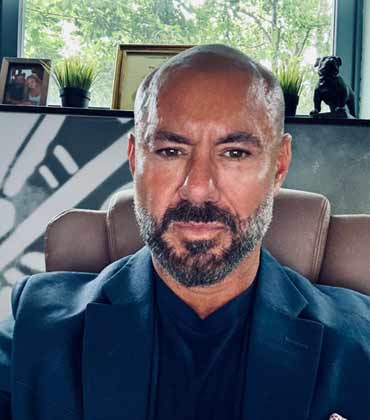
Reimagining Public Education for a Changing World
Dr. Christopher Stone, Superintendent, Montour School District
Test Prep and Tutoring Services

Rethinking Education through Wellness, Technology, and Collaboration
Dr. Terry Walker, Superintendent, Adelanto Elementary School District
Test Prep and Tutoring Services
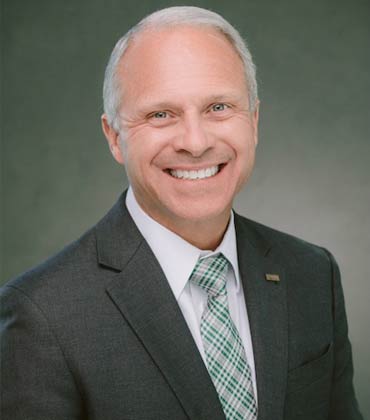
Advancing Workforce Readiness through Holistic Student Development
Dr. John Marschhausen, Superintendent, Dublin City School
Test Prep and Tutoring Services

Education as a Catalyst for Community and Career
Dr. Carnelius D. Gilder, Superintendent, West Sabine ISD
Test Prep and Tutoring Services

Innovation That Starts With Equity and Ends with Opportunity
Erwin Garcia, Superintendent, Billings Public Schools
School Services

Public Education: The Cornerstone of Equity and Leadership
Dr. Francisco Duran, Superintendent, Arlington Public Schools
Education and Admission Consulting

Optimizing the Development Curve
Amber Pleasant, Program Director of Adult Education and English Language Learning, AIMS Community College
Test Prep and Tutoring Services

A Superintendent's Vision for Modern Education
Dr. Rich Newman, Superintendent, Alpine Union School District
Test Prep and Tutoring Services

Balancing Technology and Learning in Academia
Dr. Maia Smith, Associate Director of eLearning, South Louisiana Community College
Test Prep and Tutoring Services

Creating Future Leaders through Innovative Education Strategies
Jeremy Batchelor, Superintendent of Schools, Youngstown City School District
Test Prep and Tutoring Services

Growing Together in Faithful Learning
Jason Tindol, Superintendent, King’s Way Christian Schools

IN MY OPINION
Classroom Services
The Impact of the SAP University Alliance Program on New College Graduates and the Organizations that hire them
Tom Wilder, Executive Director, SAP University Competence Center (UCC), California State University, Chico

LAST WORD
Test Prep and Tutoring Services
Effective Leadership in Higher Education Requires a Comprehensive Approach to Technology Integration
Paul D. Miller, EdD, Professional Development Director, Montgomery College, Maryland
IN FOCUS

Reframing Community Colleges in the Educational Ecosystem
Community colleges serve as vital hubs for social mobility and inclusion, offering accessible education and training that empower diverse populations to enhance their lives and strengthen their communities.

Reimagining Lifelong Learning for Educators in the AI Era
Lifelong learning for educators in the AI era emphasizes personalized professional development, collaboration, and the need for new competencies to integrate AI in teaching effectively.
EDITORIAL
Enabling Achievement: The Strategic Support System Behind Modern Education
From personalized tutoring and academic interventions to teacher coaching and institutional analytics, education has moved beyond a one-size-fits-all model. Today’s services ensure that students who need help don’t fall behind, while those ready to advance continue to grow. Professional development equips educators with evidence-based tools they can apply in the classroom.
Student data systems are also transforming how schools understand and guide learners. These platforms offer a full view of a student’s academic, behavioral and social development, making it easy to provide the right support at the right time.
Whether in Catholic schools focused on faith and character, community colleges serving diverse learners or career colleges preparing students for the workforce, these solutions and services are essential to building environments where students, educators and institutions thrive.
In this edition of Education Insider, we highlight organizations leading the way in academic services, professional development, continuing education and data management.
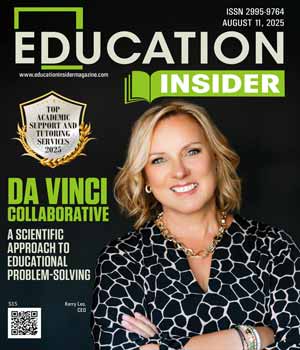
On the cover, we feature Da Vinci Collaborative, an educational services provider that is reimagining what it means to nurture the whole learner. From dyslexia intervention and academic coaching to teacher training and curriculum design, Da Vinci helps schools meet every student’s needs through compassion, clarity and evidence-based practice.
We also feature timely perspectives from senior education leaders helping shape the future of higher learning. Kent Seaver of the University of Texas at Dallas shares how a custom-built catalog management system is improving curriculum updates while preserving shared governance. Tom Wilder of California State University, Chico explains how the SAP University Alliance is developing a global pipeline of ERP-ready graduates prepared to lead digital transformation.
As education evolves, we invite you to explore the tools, strategies and voices leading the way. Discover how learning environments can foster lasting achievement and prepare every learner for what’s next.

