

Courtney Hills McBeth
Advancing Academic Quality at Scale
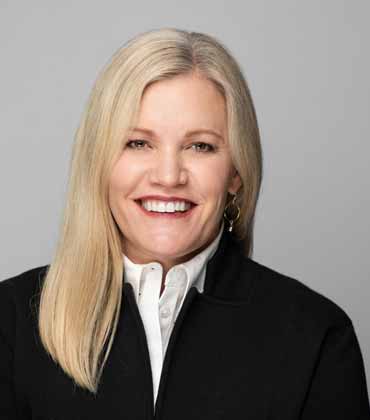
Courtney Hills McBeth serves as Chief Academic Officer and Provost at Western Governors University, overseeing academic affairs across the institution's colleges and degree programs. Her career has moved through university leadership and education-focused philanthropy, exposing her to conversations about student success from multiple vantage points. Questions surrounding educational quality, workforce relevance and long-term outcomes have remained consistent throughout that work.
An Unconventional Path through Higher Education
Academic leaders often spend most of their careers inside colleges and universities. McBeth's experience includes time in higher education administration as well as leadership roles focused on broader questions affecting postsecondary education.
Prior to joining WGU, she served as senior vice president and chief program officer at Strada Education Foundation. The position involved examining how education connects to economic opportunity, career mobility and student outcomes. Earlier leadership roles at the University of Utah included responsibilities tied to institutional strategy and planning.
Years spent working in both universities and education-focused organizations exposed McBeth to different perspectives on student success. Academic programs cannot be evaluated solely on what happens in the classroom. Students want education to open doors, while employers expect graduates to arrive with relevant knowledge and skills. Balancing those expectations has become an increasingly important part of academic leadership.
Academic Quality under a Larger Microscope
Scale changes the nature of academic leadership. WGU serves learners across the country, creating responsibilities that reach far beyond classroom instruction. Academic oversight involves accreditation, curriculum review, assessment practices and program development across multiple disciplines. Faculty support systems and student learning outcomes remain part of the equation as well.
Large institutions cannot rely on informal processes to maintain consistency. Academic quality must be visible in program design, assessment frameworks and governance structures. Decisions affecting one program can influence thousands of students.
Much of a chief academic officer's work happens away from public attention. Students encounter courses, mentors and degree requirements. Academic leaders spend their time examining the structures supporting those experiences.
McBeth's role requires balancing institutional growth with academic expectations that remain non-negotiable regardless of scale.
Keeping Outcomes in the Conversation
Higher education frequently measures progress through enrollment, retention and completion figures. Students, however, often judge educational value through a different lens. Career advancement, economic mobility and personal goals tend to shape how outcomes are experienced after graduation.
Work completed during McBeth's years at Strada reflected many of those concerns. Research, partnerships and grantmaking efforts across the education sector regularly focused on connections between learning and opportunity. Exposure to those discussions provided insight into challenges that extend beyond any single institution.
Public comments from McBeth have also emphasized collaboration within higher education. Many colleges compete for students, resources and attention. Affordability concerns, workforce shifts and completion challenges affect the broader sector regardless of institutional model.
The Responsibility behind Access
Access remains an important goal in higher education, yet access alone does not answer every question students bring with them.
Academic leaders ultimately carry responsibility for what happens after enrollment. Degree quality, learning outcomes and institutional credibility all influence the value students receive from their educational experience.
McBeth's career has consistently revolved around those issues. Leadership roles in universities and education-focused organizations have provided different perspectives on the same challenge. Educational opportunity matters most when it produces meaningful outcomes for the people it is intended to serve.

Get the best of Education Insider delivered directly to you.
