


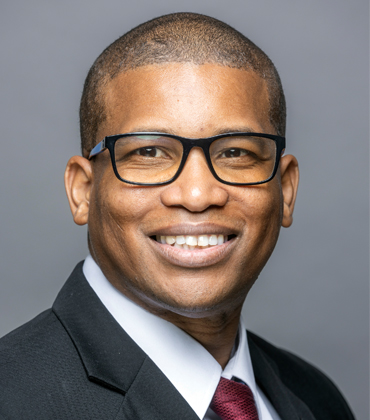
 Paul Sampson, Superintendent
“Our job is to move students closer to opportunity, whether that is educational, exposure to the arts, safe living spaces, or access,” says Paul Sampson, superintendent.
With roots in public charter education, Thrive transitioned to a state-sponsored model approximately a decade ago, expanding beyond its original Baton Rouge focus to serve students statewide. The change allowed the school to extend its residential approach to a broader range of students and families.
On campus, residential mentors help students navigate daily routines and responsibilities, from morning wake-ups and shared chores to study time and evening activities. Thrive combines small class sizes, with a student-to-teacher ratio of approximately 15:1 to 16:1, with research-backed instructional practices, regular teacher feedback and extended learning time. Students also receive academic and personal support through tiered interventions, one-to-one laptops, curriculum resources, counselors and an on-campus health clinic.
Together, these resources support its broader academic approach, which has produced measurable results. Thrive has recorded seven consecutive years of academic growth, with students consistently performing above state averages across demographic groups. The school was also named one of Louisiana’s comeback campuses following the pandemic and ranked fifth among more than 1,400 public schools in the state for post-pandemic academic growth. It received recognition for the percentage of minority students graduating after taking dual-enrollment college courses while still in high school. Sampson reports that Thrive students are 33 percent more likely to graduate high school and attend college compared with peers from the schools they previously attended.
-
Our job is to move students closer to opportunity, whether that is educational, exposure to the arts, safe living spaces, or access.
Learning extends beyond the classroom. Thrive requires every student to participate in an extracurricular activity, whether a sport, club, band or after-school job. Partnerships with Louisiana State University, Southern University, community organizations and local supporters give students access to college campuses and cultural experiences. Students attend performances, visit museums and participate in creative projects that encourage exploration beyond the classroom. These opportunities have also led to individual achievements like a student video project that earned recognition for a drug-prevention public-service announcement.
The Thrive Academy Foundation helps make many of these experiences possible. While state funding supports the school’s core operations, the foundation develops partnerships and supports enrichment opportunities. Through its Thrive Abroad initiative, students can travel to Washington, D.C., with little or no cost to their families. The foundation also provides free swimming and driving lessons and is introducing a bus tour of historically Black colleges and universities in the South. Its support extends to sports programs and opportunities to participate in tournaments beyond Louisiana. Together, these experiences help students build confidence, independence and the skills needed to navigate life beyond the school environment.
Some of the clearest insights into the school’s impact come from families. At a meeting initially focused on athletics-related concerns, Sampson instead heard parents describe changes in their children’s academic progress and personal development. Parents described improvements in grades, better access to learning accommodations and the benefits of smaller classes and a close-knit community. Their observations highlighted changes in students’ academic experiences and personal development, sometimes within just a few months of joining the school.
Recognized as the Top Public Charter Boarding School 2026, Thrive Academy is focused on extending support beyond graduation. The school plans to expand dual-enrollment offerings, introduce additional trade certification opportunities and develop an extension academy for graduates. It is also exploring future campus expansion where funding and approval allow, while continuing to support students through college pathways, career training and life beyond high school.

