

Gothenburg Public Schools
Creating the Conditions for Student and Staff Success
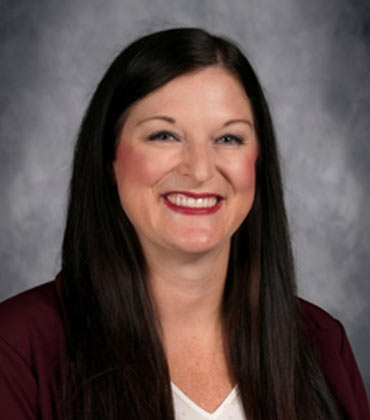
Dr. Allison Jonas
Empowering Students and Staff to Reach Their Potential
My leadership philosophy is to “lead from the back.” To me, this means building the leadership capacity of those around me and helping them become the best version of themselves by supporting them behind the scenes, helping them to develop their skills and empowering them to lead.
When things go wrong, I take responsibility. When things go right, I make sure the praise goes to those who deserve it most. Mahatma Gandhi said, “A sign of a good leader is not how many followers you have, but how many leaders you create,” and I believe this principle strongly reflects effective leadership.
As one person, I have only the experiences, knowledge and insights gained from my own life. When I collaborate with others, however, we bring together countless experiences, perspectives, and insights that make all of us better. I believe strongly in learning every day, never settling for what I know in this moment and continually seeking opportunities to grow.
I see my role as creating the conditions for others to succeed. I support our administrators and directors so they can effectively support our teachers and support staff. In turn, our teachers and support staff are empowered to support and lift up our students. Ultimately, my goal as a leader is to create a culture where leadership is developed at every level and where each person has the support and opportunity to reach their full potential.
The Greatest Impact on Student Learning and Staff Success
Data. I believe strongly that critical decisions should be grounded in evidence. We need data to identify and understand the need for change, as well as data to help determine whether the solution we are proposing is likely to be effective.
I believe in engaging in a continuous cycle of reflection. Identify the problem, determine a potential solution, establish how we will measure progress, implement the change, and intentionally circle back to evaluate the results. This cycle allows us to continually assess our progress, make adjustments when necessary, and ensure that our efforts are producing meaningful outcomes.
I always ask, “What is best for kids?” That answer is not always the easiest choice for adults or the path of least resistance.”
I also believe there is no magic wand. If there were one, everyone would be using it. Sustainable improvement requires intentional work, reflection and investment in the right places. Most importantly, our priority must always be people, not programs. When we invest in our people and build their capacity, great things happen. Investing in programs without investing in the people responsible for implementing them often results in wasted time and resources. People first, always.
At the end of the day, the lens through which I make decisions does not change. I always ask, “What is best for kids?” That answer is not always the easiest choice for adults or the path of least resistance. Similarly, we sometimes have to make decisions that focus on the best of two options, rather than the best option, period. However, our ultimate outcome must remain constant, making decisions that create the greatest possible opportunities for our students to learn, grow, and succeed.
Preparing School Leaders for Changes in Education
School finance is always at the top of my mind. With adequate and responsible funding, we can, and do, meet the needs of our students.
When financial resources become scarce, our human resources often feel the impact first. More than 85 percent of our budget is dedicated to wages and benefits, so when we cannot fully fund the budget, the choices ultimately involve reductions to people and programs.
I also believe the current conversation around school funding provides an opportunity for us to think more reflectively about what resources schools need to be successful. We can look to other states where funding models have not adequately supported the human resources necessary to meet the needs of students, and the consequences have been significant. We are fortunate in Nebraska to have a school funding system that, while certainly not perfect, has allowed our schools to achieve strong outcomes.
At the same time, Nebraska has made significant progress in reducing the property tax burden on taxpayers. Property taxes are approximately 30 percent lower than they were five years ago, yet that part of the story is not always reflected in the broader conversation. There is understandably significant focus on property taxes being too high, but I believe we also need to recognize and appreciate the educational system that those resources help make possible.
Nebraska students continue to demonstrate strong outcomes in areas such as ACT performance, fourth- and eighth-grade mathematics achievement and college readiness. These outcomes do not happen by accident. They are the result of dedicated educators, strong communities, effective school leadership and the resources necessary to support students and staff.
As school leaders, we must be prepared to navigate changing financial realities while remaining focused on what matters most, which is to ensure that our students have the people, programs and opportunities they need to succeed.
Staff, Families and the Community That Influences Leadership
Nebraska frequently emphasizes the importance of local control. To me, local control means that a school should reflect the norms, values, and aspirations of the community it serves. When making important decisions, those perspectives need to be thoughtfully considered as part of the overall decision-making process so that our schools remain connected to and reflective of the communities they serve.
Working closely with staff, families and community members has reinforced for me that effective leadership requires listening before leading. The perspectives and experiences of those we serve provide important context and help ensure that decisions are both thoughtful and responsive to the needs of the community.
This can be challenging in today's rapidly changing landscape, where norms, expectations, and values continue to evolve. However, I believe schools have a responsibility to honor the values and traditions that helped establish and strengthen their communities while also preparing students to navigate a changing world.
As a cornerstone of our communities, schools must find the balance between preserving what is important to the community and preparing students to contribute thoughtfully and successfully as citizens in an increasingly global economy.
Ultimately, my goal is to ensure that our schools thoughtfully prepare students for the world beyond our four walls while providing a strong foundation rooted in the norms and values of our community.
Building Effective School and District Leaders
Wake up every morning and ask yourself, “How can I lift up those around me today?”
I mean that sincerely. Strong leaders are not in their roles for themselves, the title or the money. They lead because they believe in the power of connection, relationships and service.
Whether you are a teacher, principal, director or superintendent, the mission of serving others should remain at the heart of your work. Leadership is not about having the most authority; it is about using your influence to create opportunities for others to succeed.
When we intentionally lift up and support those around us, we build capacity, strengthen relationships and empower positive change at every level of an organization.

Get the best of Education Insider delivered directly to you.
