


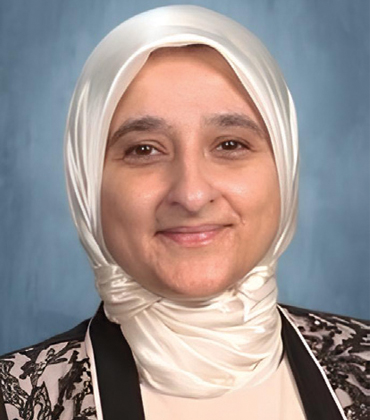
 Fayzeh H. Madani, Principal
In an environment where young people are constantly navigating questions of identity, belonging, and purpose, education plays a critical role in shaping not only what students know but who they become. At Michigan Islamic Academy (MIA), learning is intentionally designed to nurture both academic excellence and a confident Muslim identity rooted in faith.
“Our goal is to cultivate principled Muslim leaders who carry their faith with confidence, demonstrate emotional intelligence, and contribute positively within diverse communities,” says Principal Fayzeh H. Madani.
How is faith integrated into daily learning experiences across different academic disciplines?
At MIA, faith is not confined to a subject—it is embedded in the school's culture. Lessons across disciplines are connected to values such as integrity, compassion, responsibility, and service. Students are encouraged to think deeply about ethics, purpose, and their role in society, developing both intellectual and moral clarity.
A defining strength of the school is its low teacher turnover, which creates a stable, relationship-centered environment. Students benefit from consistent instruction and mentorship, enabling educators to play a lasting role in their development.
Why does a stable teaching environment contribute to stronger student learning outcomes?
Daily school life reflects this integrated approach. Elementary students begin with prayer, while middle and high school students gather weekly for assemblies that include reflection, reminders, and student-led discussions. A popular open mic segment allows students to explore meaningful topics—often centered on real-world issues and moral questions—building both confidence and critical thinking. Students rejoin in a congregational daily afternoon prayer to help recharge them for the remainder of their school day.
-
Our goal is to cultivate principled Muslim leaders who carry their faith with confidence, demonstrate emotional intelligence, and contribute positively within diverse communities.
The student body itself brings a rich diversity of perspectives, with many students growing up multilingual and connected to varied cultural backgrounds. This diversity is embraced as a strength and aligned with Islamic teachings that emphasize unity and mutual respect among people.
In what way do community partnerships and activities enhance student development opportunities?
MIA is nestled within walking distance of the University of Michigan North Campus, which further enhances its educational offerings. Through ongoing partnerships, university students and faculty visit the school to lead life skills sessions, exposing students to new ideas, experiences, and pathways for the future.
Service is also central to student life. With structured volunteer requirements—half of which are completed outside Muslim institutions—students engage directly with the broader community, building empathy and civic awareness.
Complementing this are a variety of extracurricular programs, from robotics and Model United Nations to creative clubs such as art and film, as well as environmental initiatives. These experiences help students discover their interests while strengthening leadership and collaboration skills.
Parents remain strongly invested in MIA's mission, fostering a partnership among families, teachers, and the school community. This collaboration and effort have led MIA to be recognized as a Top Islamic School, supporting learning and the values students carry.
Through community, intentionality, and a strong sense of purpose, Michigan Islamic Academy is not only educating students—it is shaping individuals who are prepared to lead with faith, confidence, and integrity.

