

Westminster Schools of Augusta
Building College Readiness in a Changing Admissions Landscape
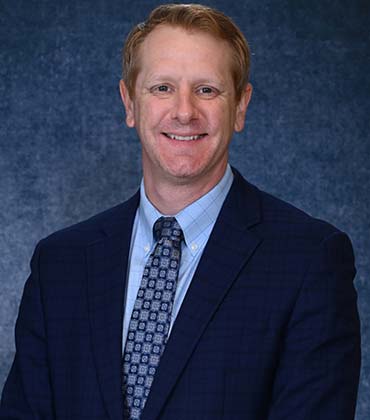
Mark Hampton
Mark Hampton is an experienced college counseling leader with a career shaped through years of work across higher education, ministry and student development. As Director of College Counseling at Westminster Schools of Augusta, he brings deep insight into admissions environments and student pathways. His background includes nationally recognized institutions such as Duke University and the University of North Carolina. Today, he channels that experience into guiding high school students with clarity, strategy and genuine mentorship.
This feature explores Hampton’s philosophy on supporting students through the transition from high school to college. He reflects on how experience, empathy and an understanding of institutional expectations inform his approach to college counseling.
Tracing the Path to College Counseling
My career has centered on higher education and student development, with years spent on college campuses in roles tied to admissions, enrollment and student support. After completing my degrees, I served at a church ministry located between two major universities, acting as a bridge between the campus communities and the church.
A family move to Augusta led me into college counseling, where I drew on insights gained from working with students at Duke University and the University of North Carolina. That experience refined my understanding of the academic standards, personal qualities and sustained effort that competitive institutions expect. Applying that perspective in the high school setting allows me to guide students with greater clarity, helping them prepare thoughtfully and develop the attributes that support long-term success.
My own high school journey also guides my work. Having attended a large suburban high school with thousands of students, I navigated the college process without meaningful advice or mentorship. That absence of hands-on guidance drives my commitment to offering students the clarity and support I once needed.
The Pressures Shaping College Choices
A major challenge for students and their families is the narrow view of what defines a “good” college. Many concentrate on a small group of well-known institutions and overlook options that may offer a better academic, social or financial fit. This focus makes selective schools even less accessible while many strong colleges remain under-considered.
Affordability adds to the pressure. Rising college tuition costs have rightly led students and families to question the value of earning a degree. Universities need to figure out ways to keep higher education programs accessible and ensure opportunity is not limited by financial capacity.
Artificial intelligence (AI) represents the third major shift. AI is changing admissions, coursework and workforce expectations. Its long-term effects are still emerging, but institutions must determine where it strengthens learning, where human judgment is essential and how automation will shape future skill needs.
Navigating Evolving Trends in Standardized Testing
Standardized testing continues to evolve nationwide. Before the pandemic, only some colleges were test-optional. During COVID-19, most institutions adopted that model, but many are now moving back to test-required policies. But today, there are strong options for students who test well and equally strong pathways for those whose scores fall short of expectations.
"Keeping an open mind during college admissions and exploring a wider range of institutions gives students the best chance to find the right environment."
Debate around the value of testing remains divided across higher education. This means test scores need to be viewed as one piece of a broader admissions strategy rather than a defining measure of potential.
Data and Tech Tools Strengthening Admissions Prep
We use detailed SAT and ACT score data to strengthen student preparation. Rather than relying on overall section scores, we review specific skill areas to identify where students need deeper support. These insights guide curriculum adjustments and contribute to meaningful score growth.
We also introduced a no-cell-phone policy during the school day. Paired with targeted academic support, this approach has improved performance and supported healthier social and emotional habits.
At the same time, we are exploring how AI can assist students in the application process. Many struggle to begin their essays, so we use AI as a prompt tool to help them develop ideas and reflect more effectively. We are also testing AI models that predict application outcomes to guide student planning.
To better support families of college aspirants, we are developing an AI-driven chat bot that can answer common questions drawn from existing materials. This will reduce repetitive inquiries and allow counselors to focus more fully on individualized guidance.
Anticipating Shifts in the Admissions Landscape
Predicting the next era of college admissions is difficult, but several trends are clear. AI will continue to reshape how colleges review applications and assess skills. Schools must monitor these shifts and be ready to adjust.
Application patterns are also changing. Early Common App data shows more applications but fewer students enrolling.
Colleges are becoming more conservative to avoid overenrollment, resulting in increased waitlists and deferrals. While the “enrollment cliff” has not yet impacted the colleges our students typically target, demographic changes may influence enrollment in the years ahead.
Despite concerns about declining enrollment, competitiveness continues to rise. Academic strength alone rarely distinguishes students anymore. With thousands of highachieving applicants competing for the same seats, qualities such as initiative, character and meaningful engagement outside the classroom increasingly shape outcomes.
Independent schools like ours have an advantage in this environment. Our smaller size allows us to respond quickly to evolving admission expectations and testing policies without the delays of large district systems. Helping students identify and develop strengths beyond good grades, test scores and essays and communicate those strengths to help them stand out among the crowd of applicants is central to our work.
The Long-Term Perspective on Student Success
I see college as an important decision. Students need a place where they can learn, grow and feel at home.
At the same time, parents and families of students should think about the next 40 years, not the next four. They should keep in mind that while college opens doors and sets a strong foundation, no single school determines a student’s future. There are many paths to success.
Families should stay open to options that may be overlooked. Return on investment matters, but there is another form of ROI that often gets overlooked, which is the risk of ignoring. When families dismiss schools where a student might shine, they may miss opportunities that could support an even stronger future.
Keeping an open mind by not putting all of your eggs in one basket and exploring a wider range of institutions gives students the best chance to find the right environment. That is the guidance I offer families as they move through the college admissions process.

Get the best of Education Insider delivered directly to you.
