

Durham Public Schools
Creating Schools Where Students Feel They Belong
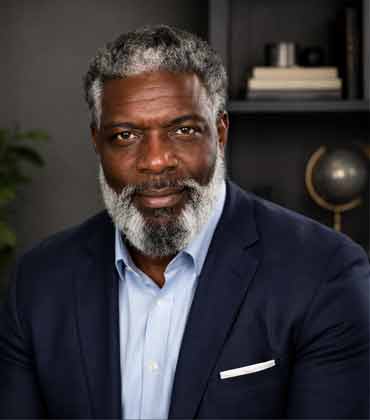
George Ward III
George Ward III serves as a School Administrator at Durham Public Schools, one of North Carolina's largest public school districts. As a first-generation college graduate and educator, his career has spanned teaching, school leadership, educator development and STEM-focused initiatives. His work reflected his conviction that schools have the capacity to transform the lives of students and that every student should have adults who understand both their circumstances and their potential.
Taking Student into Account
School administrators are obligated to execute a variety of responsibilities. They are required to assist instructors, deal with family issues, attend to the needs of students and continue improvement initiatives, often in a single day. Ward has maintained this perspective throughout his career in teaching.
And his desire to make an important difference in students' lives by assisting them in realizing their potential, having faith in their aspirations and overcoming their obstacles. His perspective on leadership seems to be shaped by that vision, especially in schools where many children are overcoming challenges outside of the classroom and require teachers who are aware of both their circumstances and their strengths.
Investing in the Educators Who Shape Learning
Student outcomes are closely connected to the experiences of the educators who work with them each day. That is why recruiting talented educators is one big challenge. And helping them feel supported enough to remain in the profession is another.
Ward's professional path has included work in teacher development and school innovation that broadened his understanding of what educators need to succeed. He believes supporting teachers is not limited to formal evaluations or professional development sessions. It often involves creating conditions where staff members feel trusted, encouraged and equipped to grow.
Because schools evolve constantly, and so new expectations emerge, student needs shift and communities change. Teams that learn together are better positioned to adapt to the change without losing sight of their shared purpose. And this investment in people ultimately becomes an investment in students.
Making Leadership Personal
Leadership in education frequently involves making tough decisions. And administrators manage these conflicting priorities while striking a balance between responsibility and empathy.
People seldom forget how educators made them feel throughout significant life events, according to Ward's leadership story. It is because, long after children leave the classroom, relationships formed through presence, encouragement and consistency of teachers can continue to have an impact.
That mindset becomes particularly important in public school systems serving thousands of students from diverse backgrounds. As leadership cannot be reduced to schedules, reports and operational tasks alone. It also involves listening carefully, recognizing individual circumstances and helping students believe they are capable of more than they imagined.
The work of George Ward III serves as a reminder that students are at the foundation of school administration. Every staffing choice, attendance report and school development plan is driven by students who want to feel like they belong and teachers who want to change the world. And in their everyday interactions a right leadership helps others feel supported, valued and hopeful about what comes next.

Get the best of Education Insider delivered directly to you.
