

Gwinnett County Public Schools
Beyond Achievement, Toward Excellence
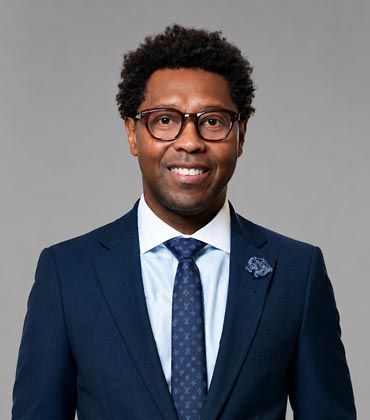
Dr. Shamarlas Allens
From Collaboration to Measurable Results
Building a collaborative culture begins with establishing clarity around what we believe about teaching, learning and leadership. At Pharr Elementary School, our work is grounded in three big ideas: Learning, Collaborating and Results. These are not simply words; they guide how we organize our professional learning teams, analyze evidence of student learning, develop educators and make instructional decisions. I believe effective Professional Learning Communities must move beyond being meetings on a calendar. They should become the way a school operates. Our teams consistently engage with four essential questions by Learning by Doing. These questions keep collaboration centered on students rather than activities or adult preferences.
As principal, my role is to create the conditions for that work by protecting collaborative planning time, developing teacher leaders and administrators, participating in PLTs, monitoring implementation, providing actionable feedback and ensuring teams have access to meaningful data. We identify students by name and need, examine evidence of learning and determine timely interventions, reteaching, differentiation and enrichment. When educators share collective responsibility for every learner and evidence drives the conversation, collaboration becomes a powerful engine for measurable student achievement.
Aligning Culture, Leadership and Academic Growth
One of the most effective strategies has been creating alignment between culture, people and systems. High academic expectations and a positive school culture should never be viewed as competing priorities. Students and adults perform at their highest levels when they feel valued, supported, challenged and connected to a meaningful purpose. I am intentional about maintaining a visible instructional leadership presence. This includes classroom observations, participation in PLTs, leadership meetings with assistant principals and instructional coaches, analysis of student performance data and ongoing conversations about the quality and rigor of Tier I instruction. Monitoring is not simply about compliance; it is about understanding what teachers and students need and determining how leadership can remove barriers to success.
“When educators share collective responsibility for every learner and evidence drives the conversation, collaboration becomes a powerful engine for measurable student achievement.”
At Pharr, our commitment to excellence has produced significant results and recognition, including being named a 2023 National Blue Ribbon School, Distinguished Title I School, Distinguished PBIS School, Distinguished MTSS School, Literacy Leader School, Platinum Greatest Gains School, National Beta School of Distinction and NAESP National Gold Star School. While these recognitions are meaningful, the greater accomplishment is what they represent: students growing academically, educators strengthening their practice and a school community embracing excellence as a standard.
Bringing Families into the Learning Process
Schools are anchors of their communities, and meaningful family engagement must extend far beyond inviting parents into the building for special events. Families should understand what their children are learning, how they are progressing, what resources are available and how they can participate as partners in the educational process. At Pharr, we intentionally create multiple opportunities for families and community members to connect with the school through academic events, family engagement activities, student celebrations, advisory structures, community partnerships and volunteer opportunities. Whether families are attending Ice-Cream Social, Literacy Night, Skate Night, Math Night, Multicultural Night, Fine Arts Night, student leadership events or other schoolwide experiences, our goal is to create a welcoming environment where families know they belong.
Sustaining Excellence through Continuous Improvement
All three are essential because achieving success and sustaining success require different levels of organizational discipline. Teacher leadership is critical. Some of the most powerful instructional expertise in a school resides within its classrooms. I believe principals must identify, develop and empower teacher leaders to model effective practices, facilitate collaborative conversations, support colleagues, analyze evidence of learning and contribute to schoolwide decision-making. This creates collective efficacy and reduces dependence on any single leader. Continuous improvement connects to the work. Highperforming schools never assume that yesterday’s success guarantees tomorrow’s results.
We celebrate accomplishments, but we also examine where variability exists, where students are not yet demonstrating mastery and where our systems can become stronger.
Making Excellence a Sustainable Standard
My first piece of advice is to lead with clarity and purpose. Know what you believe about students, educators, teaching, learning and leadership. Your decisions must consistently reflect those beliefs. Develop people rather than simply managing programs. Build the leadership capacity of assistant principals, coaches, teacher leaders and staff. Create opportunities for others to lead and ensure they understand how their work contributes to the school’s larger vision.
I often describe our work through a simple belief: Excellence is not an achievement. It is a standard. Awards and recognitions are wonderful affirmations, but the true measure of leadership is whether students are learning at higher levels, educators are growing in their practice, families feel valued as partners and the organization is stronger because of the systems and people you have developed. This is how lasting improvement becomes possible and how a culture of excellence becomes sustainable.

Get the best of Education Insider delivered directly to you.
