

Bakersfield College
Advancing Student Engagement and Advocacy in Higher Education
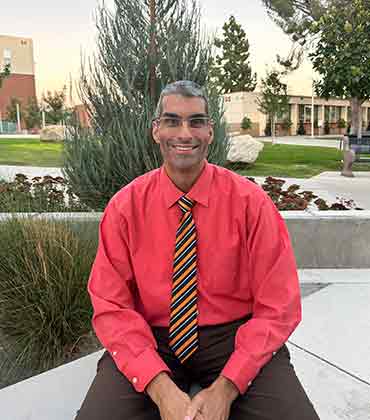
Dr. Nicky Damania
Dr. Nicky Damania, Dean of Students at Bakersfield College, is a visionary leader dedicated to enhancing student engagement through innovative programs, research-driven planning, and advocacy. He champions leadership development, inclusive communities, and collaborative initiatives that foster student success and holistic learning.
Building Inclusive Communities and Holistic Student Support
My career in student affairs began more than two decades ago, rooted in a passion for leadership development, student organizations, and building inclusive communities. Along the way, I have had the privilege of working in diverse institutional settings—universities and community colleges in more than five states and even internationally. These experiences taught me that student success goes far beyond academics; it is about fostering environments where students feel they belong and are empowered to succeed.
Since 2014, I have served in the capacity as the Dean of Students at Bakersfield College, where I’ve had the opportunity to integrate restorative justice practices into our conduct processes, embed civic engagement into campus life, and mentor student government leaders. My dual background in biology and theatre shaped how I approach this work—I see higher education as both a science of learning and an art of human connection. Engagement is not just about programming; it is about advocacy, empowerment, and creating spaces where student voices drive institutional change.
One of the greatest challenges in higher education is balancing the diverse needs of today’s students. At Bakersfield College, we serve learners who are first-generation, balancing work and family responsibilities, managing financial challenges, and representing diverse cultural identities. To meet these needs, we have built layered support systems that address academic readiness, holistic wellness, and a sense of belonging. This means integrating essential services like food and housing support with leadership opportunities and mentorship. To me, student success is not about giving every student the same thing—it’s about ensuring each has the right tools for their unique journey. The student must also commit to themselves moving forward. I often remind my team that our goal is not just to provide “the fish” but to teach students how to fish so they can sustain themselves for a lifetime. True success happens when our programs build bridges across differences, preparing students to thrive academically while also participating fully in their communities, our society, and the global economy.
Leveraging Technology and Collaboration for Student Success
My approach to leadership and advocacy is guided by three principles: listen first, lead with empathy, and stay committed to our students even when it requires institutional change. Advocacy means amplifying student voices and ensuring their stories shape policies and practices. Creating an environment where all students feel supported and valued is not an optional add-on—it is foundational to how we operate. Transparency and collaboration are equally vital; by inviting faculty, staff, and students into decision-making, we create shared trust. Ultimately, I believe advocacy is about ensuring that students don’t just survive their time in higher education but thrive as leaders and changemakers in their communities.
“To me, student success is not about giving every student the same thing—it’s about ensuring each has the right tools for their unique journey. The student must also commit to themselves moving forward”
Technology has reshaped the ways students engage with one another and with their institutions. Today’s students expect immediacy, personalization, and community through digital platforms. While social media can be a distraction, it is also a powerful tool for belonging— whether through virtual town halls, digital student government campaigns, or peer-to-peer communities. Technology allows us to extend conversations beyond the campus, connecting students who may commute, work long hours, or care for families. I encourage thoughtful use of tools like AI, apps, and online platforms as complements—not replacements— for face-to-face connections. The most effective digital engagement happens when technology amplifies student voices and connects them to authentic experiences, not when it simply replicates traditional models online.
Faculty and staff are essential partners in student engagement initiatives, and their buy-in comes when these efforts are seen as meaningful rather than mandatory. I see orientations and first-year experience programs not as extra work, but as opportunities to deepen the academic experience. Sharing retention and success data helps demonstrate the tangible impact, while celebrating faculty and staff champions inspires others to get involved. Students benefit when they see their mentors, professors, and advisors working together to create a supportive community. Collaboration, respect for expertise, and shared ownership are what make these initiatives thrive.
For emerging student affairs professionals, my advice is simple: remember that this work is about people, not programs. Always center student voices, and commit to building a culture of respect, understanding, and responsiveness to an array of needs into your practice. Be adaptable, higher education is evolving quickly, and innovation will shape its future. Build cross-campus partnerships, because student success is strongest when academic and co-curricular experiences are integrated. And don’t forget to take care of yourself; this is something I continue to learn on my own journey. Authenticity matters, as does being willing to try new approaches—even if they fail, you gain lessons for the next time. If you lead with empathy, curiosity, and a willingness to grow alongside your students, you will make a lasting impact on campus culture.
At Bakersfield College, I have the honor of witnessing every day how students overcome challenges, embrace opportunities, and grow into leaders. My role is to make sure they know they belong here, that they are supported, and that they have the tools to thrive. That is what student engagement is all about: creating a campus culture that not only fosters academic achievement but transforms lives and communities.

Get the best of Education Insider delivered directly to you.
