

Ankeny Community School District
Shaping the Future of Public Education
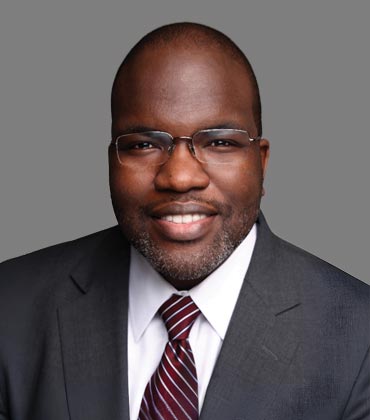
Dr. Erick Pruitt
Learning, Adapting, Leading
I would love to say that the principles that guide me today are the same principles I have followed throughout my career. However, that would not be accurate. The principles that now guide how I interact with team members, students, parents, and the broader community along with the strategies I employ to advance those principles have been shaped, adapted and refined through experience. With each leadership role I have held, I have come to recognize that a job title means very little if the people I work with do not believe I am genuinely committed to the vision and equally important, do not trust me enough to grant me the authority to help realize it. As a result, humility has become an essential component of effective school and district leadership.
Although the phrase ‘continuous learning’ may be overused in education, the practice itself is essential to the work of public education. Too often, public schools are reactive or slow to adapt and improve practices, sometimes to the detriment of the students we serve. Fear of change, reluctance to challenge established practices, or an overreliance on previously acquired skills can prevent educators and leaders from responding effectively to evolving student needs. A failure to embrace innovative educational and leadership practices affects students across all districts and achievement levels. Effective educational leadership requires a willingness to learn, unlearn and continually refine our practices in response to the needs of students and staff.
Putting Students at the Center
Students’ needs must determine an organization’s priorities. Simply stated, the Iowa Department of Education’s mission is to “ensure all students experience a world-class education.” As a result, every adult within a school system shares responsibility for delivering the services, resources and support necessary to equip students with the knowledge and skills to flourish in their communities. Identifying the priorities that will have the greatest impact on student success is not simply a matter of balancing competing demands; rather, it requires a systematic analysis of student needs and intentional identification of actions that will produce meaningful outcomes. Educational leaders must ensure that organizational priorities align with strategies that equip students with the skills, experiences and opportunities needed to successfully pursue their chosen pathways after high school.
Reimagining Public Education
The range of educational options available to families has expanded, providing parents with greater influence over the direction and delivery of public education. This influence is increasingly reflected in state legislation and funding policies, as resources once predominantly allocated to traditional public schools are now distributed across multiple educational models.
"Effective educational leadership requires a willingness to learn, unlearn and continually refine our practices in response to the needs of students and staff."
For public school districts, this evolving landscape presents both a challenge and an opportunity. To remain responsive and relevant, public school educators must more intentionally seek out and use feedback from families to understand and address the experiences, opportunities, programs, and academic outcomes that families value. Yet, public education systems are often slow to adapt, creating tension between established structures and the need to reimagine K–12 education to prepare students for the evolving demands of learning, skill development and the workforce. Addressing this tension will be essential to maintaining public confidence and sustaining society’s long-term investment in public education.
Leading Change Through Trust
Leadership and leaders are important; however, the foundation of effective leadership is built through relationships and trust. Organizational change that requires a shift in culture, adult behavior, skills, or expectations depends on relationships that create the conditions for difficult conversations, challenging established beliefs and practices, and encouraging an objective examination of data and organizational culture. I have learned that regardless of how strong an idea, strategy, or program may be, those most impacted by the change are unlikely to embrace it if I have not invested the time and energy necessary to establish and maintain the professional relationships required to lead through change.
Furthermore, significant and sustainable change requires leadership at every level of an organization. Leaders throughout the system must have the relationships and trust equity necessary to help team members understand the proposed change, engage in the work and ultimately see themselves as an essential part of the solution.
Advice for Emerging Leaders
Continue to learn, grow and contribute meaningfully in your current role and district. At the same time, do not allow the type or size of the district you currently serve to define the breadth of your leadership potential. Public education needs leaders with diverse skills, backgrounds and experiences who are willing to challenge conventional thinking, expand the education model for the future, and lead with a clear vision on improving outcomes for every student they serve. Leadership growth requires both a commitment to the organization you currently serve and a willingness to envision how your experiences and capabilities can contribute to public education more broadly.

Get the best of Education Insider delivered directly to you.
