

Porter-Gaud School
Leading Technology with Purpose in K-12 Education
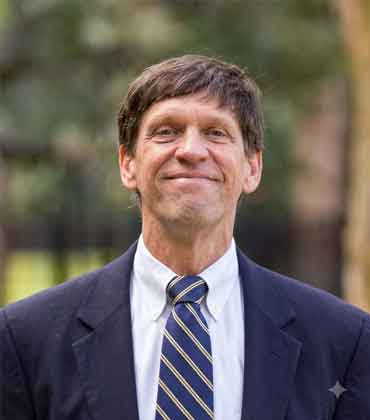
Phil Zaubi
Phil Zaubi is a technology leader with extensive experience guiding technology strategy and digital initiatives in K-12 education. His expertise spans technology leadership, cybersecurity, educational technology and AI adoption, with a focus on supporting educators, protecting school data and advancing the student experience.
Aligning Technology with Learning Outcomes
As technology has become an increasingly important academic tool, I have focused on supporting teachers through thoughtful, timely and relevant professional development. Acquiring technology is one thing, but implementing it effectively and integrating it into the curriculum is crucial. Teachers need to understand both its benefits and pitfalls and recognize when its use will support learning and when it will not.
Technology should enhance the classroom rather than distract from learning. When it gets in the way, we need to reconsider how it is being used. This has led us to focus on outcome-based integration by first asking what we want to achieve for teachers or students. If we cannot define a clear outcome, we need to question whether the technology is being used effectively.
Building Security into Technology Decisions
Balancing innovation with security has become increasingly important as schools face more cyberattacks and manage sensitive data. Security must be considered throughout technology evaluation, implementation and development rather than addressed at the back end.
My cybersecurity experience has reinforced the importance of a security-by-design approach, making security a core requirement from the outset. Edtech companies need to follow the same principle as schools and districts scrutinize how technologies are evaluated and adopted. Embedding security throughout this process is essential to protecting student, family, faculty and staff data.
Leading Responsible AI Adoption
AI is changing the priorities and responsibilities of technology leaders in K-12 education, adding new demands around product evaluation, staff training and governance. As the chair of our AI committee, I help evaluate AI products and train faculty and staff to use them effectively.
The responsibility also extends beyond infrastructure and security to AI literacy. Faculty and staff need to understand responsible AI use, academic integrity, bias and data handling. Preventing shadow AI remains an ongoing challenge, making it important for educators to use approved tools and understand our philosophies, policies and expectations.
Building Versatile Teams around Shared Goals
I have always worked with small technology teams, so I focus on hiring people who are versatile and willing to learn new skills. Team members should feel comfortable stepping beyond their defined responsibilities, exploring ideas and collaborating across departments. This flexibility creates opportunities for both professional and personal growth for them.
For major initiatives, success depends on having the right people at the table and keeping them engaged throughout the process. Communication and collaboration cannot be limited to a single meeting, email or phone call. They must continue through completion. When everyone understands the shared goal and works toward it together, the team is better positioned to move the initiative forward.
Advice for Future Technology Professionals
My advice to emerging technology professionals in education is to develop breadth alongside technical depth. My computer science background gave me a strong technical foundation, but I also needed to understand education and the business side. That led me to pursue an MBA, earn certifications and continue investing in professional development. Effective technology leaders must be lifelong learners who can communicate across technical, business and educational perspectives.
Building relationships is equally important. Strong partnerships help professionals grow and develop a broader understanding of the organization.
Staying connected to the classroom is also essential. I currently teach an advanced computer science class and have taught for around eight years throughout my career. Being part of the classroom and students’ lives has deepened my connection to the school community and helped shape my leadership skills.

Get the best of Education Insider delivered directly to you.
