

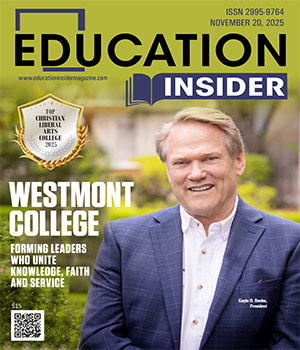
There are 168 hours in a week. At Westmont College, a top-ranked Christian liberal arts institution, students spend an average of 16 to 20 hours in the classroom. So, what do they do with the 152-plus hours outside of the classroom? Westmont is focused on shaping character attributes and learning outside of the classroom with just as much intentionality. Chapel three times a week, late-night conversations in residence halls, shared meals with faculty and friendships across campus all contribute to what Westmont calls whole-person, Christ-centered education. It’s not just what you study — it’s who you study with that makes all the difference. That vision has guided the college since Ruth Kerr founded it in 1937 in the hills above Santa Barbara. What began as a bible institute soon grew into a liberal arts college. By the mid-1940s, it had relocated to Montecito and expanded its campus. For nearly nine decades, Westmont has held the conviction that education should not end with the classroom lecture. Today, the college offers 26 majors across various disciplines, ranging from anthropology and sociology to the natural sciences and engineering. It also provides a distinctive accelerated nursing program in downtown Santa Barbara, blending academic rigor with moral and spiritual formation. “We want our students to think across disciplines while shaping the outlook needed for a flourishing life,” says Gayle D. Beebe, president. “In classrooms and residence halls, they learn to listen across differences, engage contrary views and find common ground. Amid today’s diverse and often conflicting viewpoints, these habits of citizenship are as vital as any skill.” Relationships and whole person formation remain central to this approach. Many begin in undergraduate years, but the lessons and experiences last a lifetime. Diversity deepens those connections, with nearly half of the new students from multicultural backgrounds and a growing international student community. Faculty mentors and peers become lasting learning sources, forming a community that reflects a global perspective rooted in Christian faith. Liberal Arts for Leadership Formation Turning “thinking across disciplines” into reality happens in unexpected ways at Westmont because tomorrow’s leaders face challenges with no boundaries. Climate change needs scientists who understand policy. Artificial intelligence requires engineers who grasp ethics. Global markets demand executives who can navigate cultural complexity. Yet most colleges still train for narrow specialties. At Westmont, the intersections are visible every day. A biology major leads chapel worship, connecting molecular complexity with divine design. Business students partner with art majors to launch social enterprises. Engineering students rethink artificial intelligence through required philosophy courses. The curriculum is designed for crossings, not silos. “When I was studying with Peter Drucker, the father of modern management, he told me, ‘The liberal arts are the best way to prepare to lead, because they teach you how to reach into any area of human knowledge and find solutions.’ That insight captures exactly what we want our students to experience,” says Beebe.
Cosmetology School
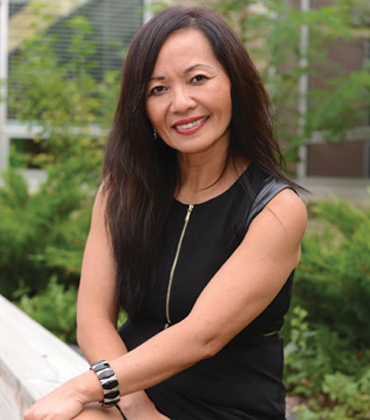
Skilled professionals are the key to educational excellence in cosmetology. Their expertise equips students to master core techniques, stay current with trends and step into the field with skill and confidence. Innovate Salon Academy embodies this principle through its team of educators, who bring deep proficiency and strong commitment to helping students hone their craft with confidence, precision and a sense of purpose. Founded by seasoned professionals with four decades of experience as stylists, Innovate Salon Academy was born out of the need for trend-aligned education in cosmetology. The academy delivers technically rigorous, industry-aligned education that meets the profession’s evolving demands. It offers courses in cosmetology, esthetics, barbering, manicuring and educator training. “We adapt our training to what’s fresh,” says Sean Sickles, owner. “Updated techniques and real-time industry shifts shape the curriculum and the professionals we prepare.” Innovate Salon Academy’s team comprises licensed cosmetologists whose active industry engagement keeps them updated on the latest techniques and product lines. Their expertise is continually sharpened through quarterly in-service days during which they attend training events from leading brands like Dermalogica and Redken and beauty influencers like Johnny Stellato. Educators also participate in workshops at the Redken Exchange and International Dermal Institute in New York. The acquired knowledge is shared with the team, fostering a culture of continuous learning and growth. Its curriculum integrates trends sourced from social media and real-world practice. Trending styles and preferences, such as foxtail tips and new hair colors from Pulp Riot Hair, bring relevance and client preferences into the learning process. An open feedback loop fuels organic learning, ensuring the training remains current and aligned with the industry.
Top Charter School 2025
Every student enters the classroom carrying more than just a backpack. They bring a lifetime of experiences, prior knowledge and untapped potential shaped by their experiences and the skills they are still building. Learning comes alive only when new ideas connect to that base of understanding, creating bridges between curiosity and understanding. Yet in many classrooms, the pace and structure of learning can unintentionally assume that all students begin from the same starting point, overlooking the distinct journeys that shape how each student learns. Noble Academy in Minnesota was founded to rewrite that story. With a mission to provide quality, relevant, and multicultural education, the academy emphasizes the importance of relevancy in learning, allowing students to build on their prior knowledge and connect meaningfully with the curriculum. From individual academic support woven into the school day to student ambassadors who help shape school policy, it combines academic rigor with empathy, creating a learning community where every child is seen, valued, and given the space to flourish. “We are committed to seeing each student for who they are, focusing on their strengths, and helping them grow into confident, capable learners,” says Dr. Mai Yia Chang, superintendent. The Noble Approach to Growth At Noble Academy, every student’s learning journey begins with understanding. Teachers carefully assess what each child already knows, identify the skills they need to strengthen, and design supports that help them reach and exceed grade-level expectations. To achieve this, it employs differentiated instruction, accelerated learning, and dedicated ‘success blocks’ built into the school day for one-on-one support. The report cards, known as individualized learning plans, serve as detailed roadmaps, documenting each student’s strengths, areas for growth, and progress over time. For students who excel, competitive and extended assignments keep them challenged and engaged without slowing others down. Beyond academics, students are given a voice in their education through the student ambassador program. Representatives from upper grades participate in meetings about school policies, initiatives, and improvements, ensuring that student perspectives are valued and integrated into decision-making.
Professional Development Services

Insights From A Career Rooted In Education And Equity
Nicole DiRanna, Director of Curriculum and Instruction, San Marcos Unified School District
Healthcare and Allied Health Training

Navigating the Digital Shift with Data-Driven Strategies
Brian Rabuffetti, Director of Program Marketing, Harvard Medical School
Art and Design Colleges
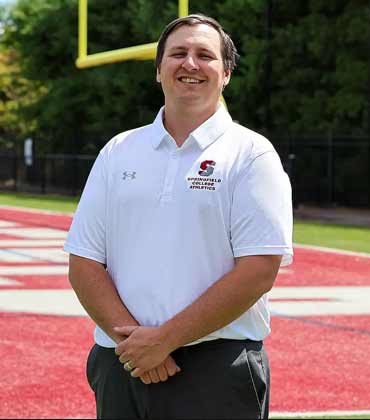
Leading Athletic Success through Mission-Aligned Leadership
James Kelley, Adjunct Professor, Springfield College
Art and Design Colleges
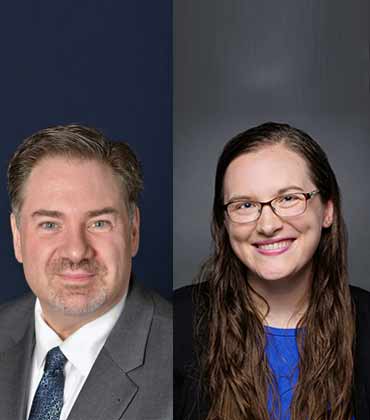
Why Open Education Matters Now More Than Ever
Kevin Corcoran, Assistant Vice Provost of the Center for Distributed Learning, and Rebecca McNulty, Assistant Instructional Designer, University of Central Florida
Language Learning Schools

Transforming School Leadership through Practice and Equity
Debbie Armendariz, School Principal, Portland Public Schools
Art and Design Colleges

The Power of Purposeful Testing
Miranda McLaren, Executive Director, Gwinnett County Public Schools
Art and Design Colleges

3 Practices to Creating Meaningful Learning Experiences for All
Statia Paschel, Director of Strategic Planning & Organizational Effectiveness, Austin ISD
IN MY OPINION
Catholic Schools
Transforming Student Transportation with Equity and Strategy
Maureen Edozie, Executive Director, Transportation, School District of Philadelphia
LAST WORD
Art and Design Colleges
Balancing Data and Humanity in Times of Change
Amy Becker Karl, Assistant Director of Graduate Admissions, Wheaton College
IN FOCUS
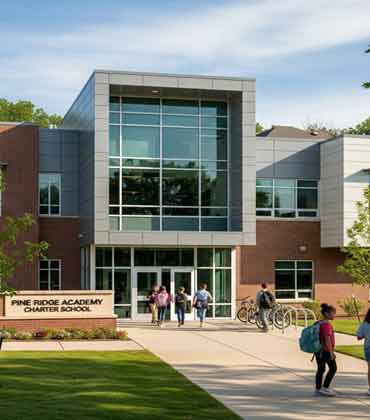
Charter Schools as Laboratories for Equitable Education Reform
Charter schools are innovating inclusive education for diverse learners, integrating special education and ELL support into core practices, promoting high expectations, personalized learning, and proactive support systems.

Reimagining the Role of Christian Liberal Arts in a Post-Secular Age
Christian liberal arts are evolving to integrate faith and holistic formation, cultivating virtues for meaningful engagement in society, and preparing graduates as thoughtful contributors to a diverse world.
EDITORIAL
Education Evolving Through Relevance
Even across diverse fields as beauty and the liberal arts, a quiet transformation is underway. Institutions are moving past questions of delivery and design, focusing instead on how learning can help students adapt, lead and contribute meaningfully in a changing world.

