

Stephanie Stephens
Education with Purpose
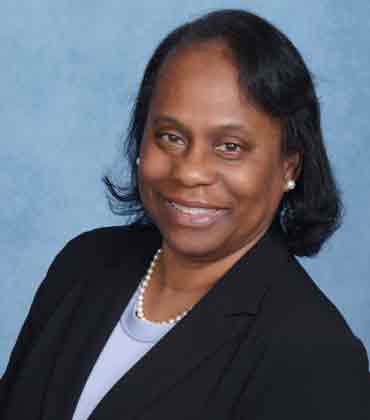
For Stephanie Stephens, academic leadership begins with a question beyond grades, test scores, and college admissions: What kind of person will a student become? As Academic Dean at Woodward Academy, Stephens approaches education as preparation for participation in society. Her vision places intellectual development alongside compassion, community, and judgment.
“Students have to be prepared to positively contribute to society in whatever area they choose to,” Stephens says. She believes students must understand that their actions extend beyond themselves, shaping communities and society.
Building Skills for an Uncertain Future
That purpose matters in a world of uncertain careers. Stephens believes schools should equip students with knowledge that travels across subjects while developing critical thinking and ethical problem-solving. Technology will continue to change, but students who know how to analyze situations, solve problems, and adapt can keep learning as circumstances shift.
At Woodward, this philosophy is reflected in an academic model that avoids assuming every student learns best at the same level. Students can choose among four levels of rigor: college preparatory, enriched college preparatory, honors, and Advanced Placement. Those choices can vary by discipline. A student may take an AP social studies course while studying mathematics and science at other levels.
The approach recognizes that academic strength is not uniform. Stephens wants students challenged where they are ready for greater rigor while receiving appropriate support in areas that require a different pace or level.
Making Room for Curiosity
Rigor, in Stephens’s view, should not narrow a student’s imagination. Instead, it should encourage students to move beyond the status quo, investigate questions deeply, and find ways to express what they have learned.
Her classroom provides an example. In her course on Supreme Court Cases and Civil Liberties, students complete a capstone project without being confined to one format. A student might create a presentation, briefing, book, or TED Talk-style response. The content matters, but so does the choice of format.
“ Students have to be prepared to positively contribute to society in whatever area they choose to.”
This reflects her belief: teachers should help students learn how to think rather than prescribe what to think. Students analyze information, synthesize ideas from different sources, and develop their conclusions. Stephens also emphasizes confidence in the value of students’ voices, particularly when technology can make it easy to substitute an external answer for their thinking.
Supporting Teachers, Respecting Difference
Stephens extends that balance of structure and choice to teachers. Woodward establishes curricular expectations and seeks consistency in core assessments, while giving educators room to decide how they teach, design projects, and conduct formative assessments. Collaboration helps teachers compare progress and assessment practices without making every classroom identical.
The same philosophy informs Woodward’s emphasis on diversity, equity, inclusion, and belonging. Stephens wants students exposed to different perspectives in classrooms and through co-curricular opportunities. Programs such as Week of Understanding provide opportunities to explore differences, express themselves, and practice treating others with dignity and respect.
Measuring What Students Understand
Stephens sees assessment as more than a final score. Formative practices, including entrance and exit tickets, debates, oral arguments, and classroom check-ins, can reveal what students understand and where help is needed. These methods make learning interactive and clarify student thinking.
For Stephens, academic success is tied to mastery rather than simply completing requirements. Students should participate actively in learning.
Understanding today’s Students
Looking ahead, Stephens sees one responsibility as important for academic leaders: understanding the students they serve. Young people now encounter an extraordinary volume of information from countless sources. Educators must help them distinguish what is useful from what is harmful, synthesize competing inputs, and identify what matters.
“Education, I don't think, is there to tell children what to think. It's there to tell them how to think, and then they come up with their own solutions,” Stephens says. That conviction captures her philosophy: prepare students not merely to succeed in school, but to navigate complexity with curiosity, judgment, compassion, and purpose.
For this approach to academic leadership and student-centered education, Stephanie Stephens, Academic Dean, Woodward Academy, has been named one of the Top 10 Academic Deans for 2026. The recognition reflects a philosophy grounded in high expectations, personalized rigor, teacher collaboration, intellectual freedom, and a focus on preparing young people for the world they will shape.

Get the best of Education Insider delivered directly to you.
