

Kevin C. Garinger
Rural Education Connecting Learning, Community and Opportunity
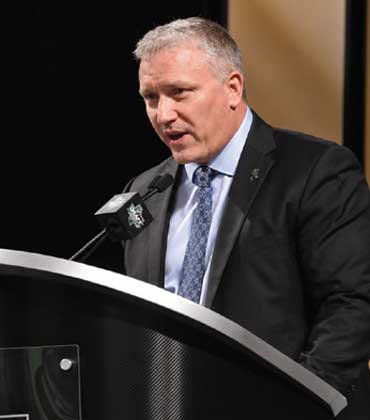
Kevin C. Garinger has built his career around one guiding belief: the greatest impact in education comes from fostering the relationships that strengthen the system so that every child can be supported. As CEO and Director of Education at Horizon School Division for more than 12 years, he has spent over 19 years in senior educational leadership, following seven years as a superintendent in Alberta. Completing his Doctor of Education in Educational Leadership from Concordia University Chicago, Garinger continues to champion collaborative leadership, evidence-based decision making, and student-centered strategies that create lasting improvements across entire school communities.
Leading Through Heartbreak: Crisis Leadership Following the Humboldt Broncos Tragedy
In the wake of the devastating April 6, 2018, bus crash that claimed 16 lives and left 13 others permanently injured, Kevin C. Garinger emerged as a pillar of compassionate and leadership for a shattered community and a grieving nation. Tasked with steering the Humboldt Broncos organization through unimaginable tragedy, Garinger faced the overwhelming glare of international media with extraordinary grace, authenticity, and poise. He prioritized the emotional well-being of the victims’ families and survivors above all else, articulating the collective grief of the nation while ensuring the team’s dignity remained intact. By balancing his duties as a civic leader, Horizon School Division CEO, and grieving team president, Garinger’s composure and heart-centered leadership helped anchor Humboldt during its darkest hour, providing a model of empathy, strength, and resilience under unprecedented strain.
Building Opportunity Through Rural Education
Strengthening rural education requires progress on several fronts, but I believe two priorities have created the greatest impact across Horizon School Division. The first is improving literacy. Raising reading proficiency has strengthened student outcomes and contributed to higher graduation rates. The second is our commitment to First Nation students. More than a thousand self-declared First Nation students attend our schools, many travelling from nearby First Nation communities. That responsibility has shaped our efforts to expand opportunities, build on their strengths, and support long-term success.
Those initiatives naturally evolved into a stronger focus on Indigenous agriculture alongside agriculture as a whole, reflecting the economic foundation of rural Saskatchewan. The work earned our Board of Education the prestigious Lieutenant Governor Award for the “From Field to Future” initiative, recognizing the connection between the broader agricultural sector and Indigenous Ways of Knowing. Partnerships with major businesses and First Nation communities have also expanded learning opportunities, including pathways into the region's important potash mining industry.
Turning Research into Lasting Impact
I believe effective leaders must remain lifelong learners because education continues to evolve through research and evidence. My doctoral studies in educational leadership strengthened my ability to connect research with practice and apply those insights to strategic decision making across Horizon School Division. That deeper understanding has helped me identify approaches that improve learning outcomes while supporting meaningful organizational improvement.
This commitment to evidence-informed leadership has been reflected in two key priorities across the division. The first is strengthening collaborative practice across the division, creating a culture where educators learn and improve together. The second is reinforcing the critical relationship between home and school. Translating research into practice has ultimately led to stronger systems, better teaching, and improved outcomes for our students.
Unlocking Rural Education’s Hidden Strengths
One of the greatest strengths of rural education is also one of its most overlooked advantages, smaller schools and smaller class sizes. That has been a priority for our board and for me as CEO. Over the past 12 years, Horizon School Division has consistently ranked third or fourth among Saskatchewan's 27 school divisions for pupil-teacher ratios. Smaller class sizes and lower pupil-teacher ratios are far more than just administrative metrics. They form the true foundation for deep, meaningful relationships between students and educators that directly drive student success and higher graduation rates.
Beyond the benefits of smaller learning environments, successful rural education also depends on understanding the unique character of each community, while honoring the larger cultural milieu. Supporting education in a rural setting cannot rely on a one-size-fits-all model. True educational success depends on context-driven leadership that honours both the broader regional identity, such as the agricultural community, and the distinct needs of each local community, demonstrating why a tailored, relationship-focused approach is essential for rural schools to truly thrive.
Wellness Drives Student Success
I believe academic excellence and student well being are inseparable. Success comes from strategically strengthening resilience, mental health, and personal development alongside learning. We have expanded counselling services and implemented research based programs that support student wellness. Our principals and teachers receive training through Leading to Learn, which emphasizes anti racism, well-being, and relationship building through an Indigenous lens. We also adopted Project 11, a research informed curriculum developed in partnership with psychologists, psychiatrists, and universities to help students build positive mental health.
Horizon staff are trained in Mental Health First Aid, including Indigenous approaches, and we have one of the province's highest levels of engagement with Applied Suicide Intervention Skills Training (ASIST), ensuring staff recognize and respond when students need support. Students also lead anti bullying and wellness initiatives that strengthen peer connections. Beyond the classroom, participation in arts, music, drama, and athletics remains a priority, creating stronger learners and improving outcomes across our schools.
Leading AI with Purpose
Artificial intelligence presents tremendous opportunities to enhance teaching and learning, but its adoption must be guided by responsibility and ethical oversight. Our teachers use AI to strengthen assessment design and instructional planning, while students benefit when it enhances rather than replaces learning. We have established advisory leadership focused on AI, engaged experts to educate parents and school communities, and continue to develop clear ethical guardrails.
At the same time, we remain mindful of screen time, social media, and their impact on student well-being. We continue connecting students with land-based learning, particularly through agriculture and Indigenous perspectives, ensuring technology complements rather than dominates education. We also became the first school division in Western Canada to join legal action addressing social media's impact on youth. For me, effective innovation must always advance learning while protecting the healthy development of our children. It is one of the reasons we have adopted the Kikori platform, which is a curriculum focused on the significant impacts of cellular phone usage on children and youth, developed in collaboration by former Crown Prosecutor Margot Denomme and Kikori Founder Kendra Bostick. Many of our schools are engaging in the curriculum, and it is taking root in other parts of our province and country.
Preparing Students Beyond Graduation
I believe academic achievement is only one measure of success. Equally important are citizenship, character, relationships, and how students contribute to their communities. We closely observe feedback from athletics, music, drama, and other activities where sportsmanship, leadership, and conduct reflect their growth beyond the classroom. Those qualitative indicators, alongside quantitative achievements at the provincial level, provide a fuller picture of student readiness.
One example is our annual Celebration Day, where many students voluntarily perform and present before nearly a thousand staff members, demonstrating commitment, confidence, and leadership. We also invest in leadership development through initiatives inspired by “The 7 Habits of Highly Effective People,” helping students build lifelong skills. Preparing the whole child creates graduates who become capable, responsible, and engaged citizens ready to make meaningful contributions to society.
Leading Change Through Collective Purpose
Over the course of my career, building authentic relationships and creating a collaborative culture have remained the cornerstones of my leadership philosophy. I would encourage future education leaders to build lasting change by empowering others at every level of the system. Strong senior leadership enables school leaders and educators to deliver exceptional learning experiences for every child. I believe every school matters and every child matters, so instructional leadership, citizenship, and student well-being must remain shared priorities. Sustainable improvement depends on collective efficacy rather than individual effort alone.
Creating collaborative structures enables educators to learn, grow, and strengthen their practice together while maintaining meaningful accountability. While external accountability has its place, the most powerful driver is internal accountability. When educators understand the evidence, see the impact of their work, and remain focused on student learning, they develop the desire and commitment to continually improve outcomes for every child.

Get the best of Education Insider delivered directly to you.
