

Josh Friedman
Strengthening Safety trough Trust
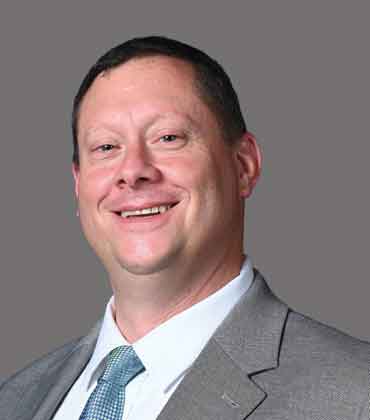
Josh Friedman places students and staff at the center of every safety decision at Scottsdale Unified School District. His responsibilities encompass emergency preparedness, security personnel, technology investments and coordination with public-safety agencies across multiple jurisdictions.
As Director of Safety and Security, Friedman connects these responsibilities through a people-first approach that keeps the district’s safety measures practical, sustainable and aligned with its educational mission.
Coordinating Safety Across the District
Friedman is responsible for the safety and security of everyone who enters or remains on district property, including students, employees, parents and visitors. Fulfilling that responsibility requires close coordination among campus personnel, publicsafety agencies and emergency-management partners.
Scottsdale Unified School District operates across three cities served by three police departments and two fire departments. Friedman manages the district’s relationships with these agencies and local emergency managers. He also oversees the contract for 12 school resource officers assigned to the district.
Approximately 35 unarmed district security officers serve its campuses. They build relationships with students and act as the first line of eyes and ears at each location.
Friedman’s responsibilities extend from daily campus security to districtwide emergency preparedness. He maintains the incident command structure, oversees emergency operations plans and brings together the people and agencies that would need to coordinate during an incident.
Keeping People at the Center
Friedman’s leadership philosophy rests on a straightforward belief: school safety starts with people, not just policy or technology. He evaluates processes, staffing decisions and equipment investments by asking whether they will directly or indirectly benefit the children and employees on campus.
Relationships are fundamental to that philosophy. When security personnel know the people in their schools, they are better positioned to recognize when someone is struggling, identify a potential concern and intervene before a difficult situation escalates. Those connections can also make students and employees more comfortable reporting something that does not appear right.
The district extends this relationship-based approach to students’ families. Friedman believes preparedness begins long before an emergency occurs and continues beyond the school campus. Working closely with parents and guardians, the district can reinforce important safety messages, encourage open conversations about reporting concerns and help students build confidence in how to respond during unexpected situations. He encourages families to discuss emergency plans at home, identify trusted adults students can turn to for help and maintain ongoing communication with their schools. Together with the efforts of teachers, counselors, administrators, student services professionals, school resource officers and security personnel, these partnerships help create a culture of safety built on trust, preparedness and shared responsibility.
For Friedman, this shared responsibility ultimately serves a larger purpose: protecting each student’s opportunity to learn without avoidable disruption. Every school year represents a limited period in a child’s development. A student who experiences a safety-related disruption during fourth grade, for example, cannot return and experience that formative year again under different circumstances. Knowing that lost time cannot be given back keeps the student’s education at the center of every safety decision Friedman makes.
“ The value of technology ultimately depends on how well it supports people and preserves the educational environment. “
It also leads Friedman to consider whether the district’s safety investments will protect students well beyond the immediate school year. When considering new equipment, additional personnel or operational processes, he asks whether an investment will remain useful for the next 10 years and deliver lasting value. This approach keeps the district from pursuing a “shiny new object” or hiring someone for a role that may no longer be needed after a year.
While long-term thinking guides future investments, the district’s present-day experiences provide equally valuable lessons.
Learning from Every Incident
Scottsdale Unified conducts state-mandated drills along with additional exercises designed to strengthen its readiness. Preparedness, however, does not end when an exercise is completed. Actual incidents also provide opportunities to evaluate responses and improve processes.
Whether an incident involves a campus fight, a water outage or a loss of power during a monsoon, the district conducts an afteraction review. The process examines the challenges encountered, identifies what could have been handled differently and asks a practical question: How can the district do better?
Because such events do not occur every day, Friedman emphasizes the importance of learning from each one. The lessons identified through these reviews are then incorporated into procedures and future responses.
Preparedness also depends on whether employees can understand and apply those procedures. As a certified emergency manager, Friedman is familiar with the terminology used by the Federal Emergency Management Agency. Teachers and administrators may complete required FEMA courses, but they do not use that language every day.
He therefore adapts emergency-management concepts to their roles and responsibilities. By making the language practical and understandable, Friedman helps personnel apply emergency-management procedures within a school environment.
A lifelong learner, he continues attending classes to explore current techniques and determine whether they would benefit the district. Yet strengthening safety does not always require new resources, as one of his longest-running initiatives demonstrates.
Making Safety Easy to Remember
Approximately five years ago, just two days into his current role, Friedman was asked to develop the district’s safety initiative for the coming year without a budget.
Working within that constraint, he created “DIG IT for Safety,” a memorable campaign that connects four everyday behaviors to a districtwide safety message. “D” represents keeping classroom doors locked. “I” stands for ensuring that students and employees wear identification badges. “G” reminds campuses to keep exterior gates closed. “IT” reinforces the importance of not sharing information technology passwords.
The password component addressed situations in which students used another child’s phone or shared passwords after parents removed social media from their personal devices. Including IT passwords allowed the campaign to address digital safety alongside the physical practices involving doors, identification badges and gates.
The district continues using “DIG IT for Safety” because it remains relevant, costs nothing and communicates practical actions that students and employees can follow. While the campaign demonstrates what can be achieved without additional funding, other safety measures require careful long-term investment.
Choosing Technology for Longevity
Scottsdale Unified uses technology in areas such as access control, cameras and radio communication. These systems can strengthen safety, but the rapid pace of technological development makes it difficult for school districts to keep pace.
The district’s former radio system illustrates this challenge. Although the approximately 20-year-old system still functioned, it was no longer ideal. Early in Friedman’s tenure, the district replaced it with a system that performs better and offers additional capabilities. Some employees resisted the transition despite the improvements it provided.
The experience reinforced the importance of looking beyond whether a system meets an immediate requirement. Friedman favors products that are tried, tested and capable of serving the district over the long term. He is also cautious about systems that would tie Scottsdale Unified to a particular vendor, especially when that company’s long-term presence is uncertain.
Funding considerations extend beyond the initial purchase. The district must have the resources to maintain, upgrade and expand a system in the future. Friedman therefore favors vendor-agnostic hardware and software that can accommodate new components without requiring the existing system to be completely removed and replaced.
Infrastructure is another part of the equation. Before adopting new systems, districts must determine whether their servers can support the technology, whether information will be stored in the cloud and whether sufficient bandwidth is available for cloud-based applications.
For Friedman, the value of technology ultimately depends on how well it supports people and preserves the educational environment.
Balancing Security with Learning
As school-safety systems evolve, Friedman sees an important challenge: adopting new capabilities without making schools feel like prisons.
Children should not arrive at campuses surrounded by large fences and walls or feel that “Big Brother” is watching their every step. At the same time, students, employees and families expect schools to provide a safe environment. School-safety leaders must balance these expectations while keeping education at the center of every decision.
Technology can contribute to that balance, but it cannot replace the relationships at the foundation of school safety. Friedman emphasizes that security personnel must know students and employees well enough to recognize when someone may need support.
The human element also shapes what safety leaders can reasonably expect from educators. Most school employees entered education to work with children, not to manage security threats or emergency situations.
Training can teach someone how to respond during a lockdown drill, but that person may react differently during an actual emergency. Friedman compares the distinction to someone who understands that another person is bleeding but cannot tolerate the sight of blood and faints.
He therefore encourages safety directors to lead with compassion and maintain realistic expectations. School personnel must understand the current environment, participate in drills and consider how they might respond during an actual incident. Safety leaders, in turn, must recognize the difference between practicing a procedure and confronting a real emergency.
For Friedman, every decision ultimately returns to whether it benefits the children and staff on campus, either directly or indirectly. That principle guides his approach to preparedness, technology and the relationships he considers fundamental to school safety.

Get the best of Education Insider delivered directly to you.
