

Joel Heesch
Advancing Student-Centered Education through Accountable Leadership
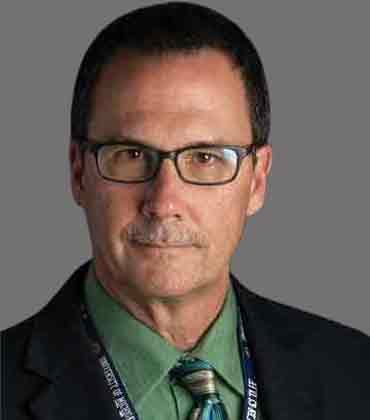
Joel Heesch serves as Superintendent of Schools at the School District of Mauston in Wisconsin. Drawing on experience in business, teaching, coaching and administration, he brings a hands-on approach to leadership, with an emphasis on student success, staff support and accountability to the community.
Joel Heesch’s career has taken him from business operations to the classroom and school administration. As superintendent of Wisconsin’s School District of Mauston, he draws on these experiences to make decisions that consider students’ needs, staff concerns and community expectations.
Heesch’s route into education began outside the classroom. After four years in corporate operations and finance, he and his wife owned five Subway restaurants. He later returned to college to study business education, began coaching basketball at Mauston High School in 1996 and started teaching there in 1998. He became assistant principal in 2013 and superintendent in 2019. His years as a coach and teacher gave him direct insight into students’ experiences and different approaches to learning.
That experience informs his support for varied educational approaches. Mauston’s Montessori charter school serves students from 4K through fifth grade. ILEAD, which serves grades six through 12, emphasizes student-directed, projectbased learning, while Lemonweir combines student direction with teacher-led instruction. Heesch values these options because students do not all thrive in the same classroom environment. For those who have difficulty with traditional instruction, a different setting can offer another way to engage with their education.
Preparing students for life beyond school also requires community input. Staff, families, local businesses, industry and other community members contribute to the district’s strategic plan and Profile of a Graduate, helping define the qualities students should develop alongside academic knowledge.
Working Directly with Staff and the Community
Heesch’s involvement goes beyond administrative decisions. At home football games, he grills hamburgers and brats for the athletic booster club and volunteers with middle and high school basketball when coaches are needed. These activities keep him connected to those supporting school programs and to students beyond the classroom.
“I think the most important thing you can do is remember the why. It’s got to be about your students, your staff and about your community.”
He also makes time to keep residents informed about school board decisions. After each monthly board meeting, Heesch spends an hour to 90 minutes on local radio discussing the agenda and the decisions made. These broadcasts help residents, including those unable to attend meetings, understand what the board discussed and why the decisions matter. They also give the community an opportunity to stay informed about issues affecting local schools.
He gathers feedback from district employees through a staff engagement survey that included teachers, food service employees, custodial and maintenance teams, paraprofessionals and other support staff. He discussed the findings at the staff kickoff, covering both strengths and concerns. The feedback helped him identify areas for improvement while accounting for employees’ differing needs and career stages.
Confronting Financial Pressures as Superintendent
Meeting the needs of students, staff and the community calls for careful decisions about available resources. Declining enrollment can reduce state aid for rural Wisconsin schools, while transportation, diesel, health insurance and mental-health support costs continue to pressure budgets. After operational referendums failed in April and November 2024, Mauston cut $1.5 million from its budget and left 29 positions unfilled.
Voters approved a four-year, non-recurring operational referendum in February 2025, allowing the district to begin restoring positions. Although the approval brought relief, the funding is temporary. Heesch must continue balancing student and staff needs against available resources while planning for the next referendum.
Heesch encourages people who raise issues to consider possible solutions alongside the problems they identify. This invites staff and community members to help resolve issues rather than leaving the responsibility solely to administrators. His approach reflects the servant-leadership philosophy he describes, combining listening, shared responsibility and practical decision-making.
From supporting different learning approaches to engaging staff and explaining difficult financial decisions, Heesch demonstrates a commitment to addressing the needs of students, employees and the wider community while working within the district’s constraints.

Get the best of Education Insider delivered directly to you.
