

Featuring Jarred Elias
Making Workforce Planning More Practical
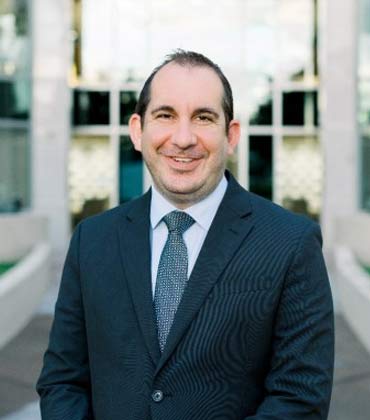
Jarred Elias is Human Resources Director at Arizona State University, where he guides a workforce of more than 20,000 employees. For more than two decades in HR leadership, he has developed expertise in workforce planning, talent strategy and organizational effectiveness. His career reflects a proactive approach on understanding that workforce challenges are easier to solve when they are identified before-hand.
Looking beyond Immediate Hiring Needs
Many workforce challenges begin long before they appear in hiring reports.
A leadership gap often starts taking shape long before a vacancy exists. Retention concerns can emerge before turnover becomes visible. Skills that are readily available today may become difficult to find as organizational priorities change.
Elias's entire career space was between current workforce needs and future workforce realities. His background in workforce planning reflects an understanding that HR decisions become more effective when they are connected to long-term organizational objectives rather than immediate staffing demands alone.
That perspective becomes particularly valuable in an institution where workforce decisions can influence thousands of employees across diverse roles and responsibilities.
Turning Data into Workforce Decisions
Organisations collect enormous amounts of workforce information. The challenge is identifying what deserves attention the most.
Through his work in HR analytics and organisational assessment, Elias has focused on helping leaders move beyond observation and toward action. Workforce data can point to areas of concern, but determining what deserves attention and what requires action remains a leadership decision.
His work suggests a practical view of analytics. The value is not in collecting more information. The value comes from helping organizations use that information to make better workforce decisions.
Planning for Change before It Arrives
The most important work behind organisational change often happens before employees notice anything has changed.
Employees see new structures, revised reporting relationships or shifting responsibilities. The preparation begins much earlier.
Elias has developed experience in organizational transformation, workforce assessments and integration initiatives. Those responsibilities require careful evaluation of workforce readiness, leadership capability and organizational alignment before change reaches the broader institution.
The work is largely centered on helping organizations anticipate the workforce implications of change rather than simply responding to them.
Connecting People Strategy to Institutional Goals
Human resources leadership increasingly extends beyond traditional employee relations and recruiting responsibilities.
Workforce planning influences succession discussions. Leadership development affects institutional capability. Organizational effectiveness shapes how teams adapt to new priorities.
Elias's career has developed at that intersection. His work centers on helping ensure that workforce decisions support the broader direction of the institution while remaining connected to the needs of employees.
Most employees will never see the assessments, planning discussions or workforce analysis behind those decisions. What they experience is whether the organization is prepared for the challenges ahead. Much of Jarred Elias's career has been dedicated to helping create that readiness.

Get the best of Education Insider delivered directly to you.
