

Featuring Crystal McFarland
Building Workforce Strategies that Scale
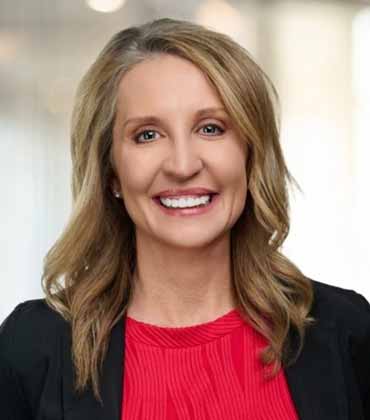
Crystal McFarland serves as Human Resources Director at Western Governors University, where her work supports workforce planning and employee development at larger educational institutions. Her career in human resources has been shaping organisations prepared for changing workforce needs while maintaining an atmosphere where employee's growth and success.
Looking beyond Immediate Workforce Needs
Many workforce decisions are made in response to an immediate need. A department needs additional staff. A leader needs support filling a critical role. A team faces changing priorities.
The challenge is that workforce needs rarely remain static. Human resources leaders often find themselves balancing current demands with future requirements that are still taking shape. That responsibility becomes particularly important within large institutions where workforce decisions can influence employees across multiple functions and departments.
McFarland's work reflects that longer view. Human resources planning involves an understanding of how workforce needs may evolve and whether the organization is prepared to meet them.
Connecting Employee Experience with Organizational Priorities
The relationship between employee experience and organizational performance is often understated. One rarely improves for long without affecting others.
Employees make decisions about engagement, development and career growth based on the environment around them. Leaders make decisions about workforce structure, staffing priorities and talent investment based on institutional goals. Human resources functions between those two perspectives.
McFarland's role requires an understanding of both. Supporting employees while helping leaders make informed workforce decisions requires more than policy administration. It requires an appreciation for how workplace experiences influence the broader health of an organization. That connection becomes increasingly visible as institutions grow and workforce expectations continue to change.
Preparing Organizations for What Comes Next
Organizational change rarely begins with a public announcement. Most of the important work takes place beforehand. New priorities emerge. Workforce requirements shift. Leadership teams evaluate future needs before changes become visible across the institution. Human resources leaders are often involved in those discussions long before employees experience the outcome.
McFarland's work sits within that preparation process. Helping organizations navigate change requires attention to workforce readiness, talent availability and the employee experience that supports successful transitions.
The challenge is not simply responding to change. It is helping the organization prepare for it.
Keeping Workforce Decisions Grounded in People
Human resources leadership has expanded over the past decade.
Workforce capacity, employee development and organizational environment influence broader institutional decisions. Human resources leaders are expected to understand both workforce realities and organizational priorities.
McFarland's experience reflects that broader responsibility. Her work centers on helping leaders think through the people's implications of decisions long before those decisions reach the broader organizations.
Employees may never see the planning discussions that shape workforce strategy. What they experience is whether the institution creates an environment where they can contribute, develop and succeed. Helping create those conditions remains one of the most important responsibilities of human resources leadership.

Get the best of Education Insider delivered directly to you.
