

Dr. Whitney Stevenson
First Steps Toward Future Success
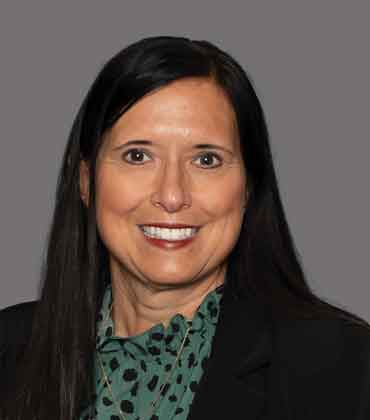
Stevenson has spent more than 25 years within Fayette County Public Schools (FCPS), serving in roles that have provided continuity across the district's early childhood program. Beginning as a preschool teacher, she progressed to Associate Director and later Director of Early Childhood Education, gaining insight from both classroom and district leadership perspectives. Her journey has helped shape the program from vision to implementation, strengthen continuous improvement, and build trusted relationships with educators, families, school leaders, and community partners.
While overseeing early childhood education requires balancing budgets, policies, staffing needs, and operational priorities, Stevenson places children's needs at the center of every decision. She relies on data, research, and stakeholder input to navigate competing priorities while staying connected to classrooms through regular conversations with teachers, principals, and families. Those interactions keep her grounded in the realities of schools and the people affected by decisions made at the district level.
This child-centered approach is shaped by Stevenson’s academic background in Human Development and Family Studies and Early Childhood Education, as well as her doctorate in Special Education. She views every child within the broader context of family, community, culture, and individual development. Her approach focuses on building accessible, inclusive, and responsive learning environments that meet the diverse strengths and needs of every child while creating spaces where they feel safe, valued, and capable.
The same philosophy guides how FCPS Preschool brings together inclusive practices, instruction, and family partnerships. It values families as experts on their children, understanding that their perspectives are essential to developing meaningful educational experiences. The program's curriculum, professional learning, assessment practices, and support systems are guided by research on early learning and development to equip educators to strengthen classroom practice.
Stevenson approaches equity by ensuring each child, regardless of ability, background, or circumstance, has access to the resources and opportunities needed to thrive. Whether addressing language barriers, transportation challenges, work schedules, or access to services, she builds systems that meet families where they are and connect them with educational, health, and social supports.
Her vision extends beyond preschool classrooms, positioning early childhood education as the foundation for all future learning rather than merely preparing children for formal schooling. This belief aligns with FCPS's vision as a PreK–12 system, where early learning is an essential part of the educational journey. Stevenson connects that foundation to the district’s broader goals, recognizing how children’s earliest experiences influence literacy growth, help reduce opportunity gaps, and shape long-term student success.
While research demonstrates the academic, social, and economic impact of high-quality early learning, she also understands the importance of sharing the human stories behind the data. Through initiatives like First 5 Lex, FCPS extends that support beyond the classroom by partnering with children and families from birth through age five, ensuring students enter school ready to thrive. These efforts reflect a broader belief that early childhood education is a strategic investment that strengthens the entire educational system.
As Stevenson looks toward the future of early childhood leadership, she encourages aspiring leaders to develop a broader understanding of the systems they serve without losing connection to children and classrooms. Her perspective highlights the importance of balancing strategic decision-making in areas including finance, policy, and planning with remaining grounded in listening, collaboration, and relationship-building.
For Stevenson, leadership is ultimately measured by the opportunities created for others. This philosophy guides her commitment to building early childhood systems where learning begins at birth, and every decision supports young children’s success.

Get the best of Education Insider delivered directly to you.
