

Dr. Trey Duke
Building Schools around Student Progress
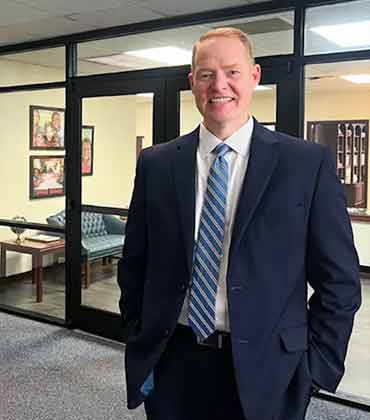
Dr. Trey Duke serves as Director of Schools for Murfreesboro City Schools, a Tennessee district serving more than 9,000 students across 13 schools. Appointed to the role in 2021 after leading the opening of Salem Elementary School, Duke brings experience spanning classroom teaching, school leadership and district administration. His career reflects a consistent focus on student achievement, educator development and instructional improvement.
Turning Assessment Data into Action
School leaders continually find themselves under pressure to achieve better results from their students despite the changing academic expectations. As far as district-level leaders are concerned, their challenge goes beyond looking at test results. It requires transforming those results into classroom-based action.
Duke's professional background is closely tied to assessment and school improvement. He earned a doctorate in Assessment, Learning and School Improvement and previously served on Tennessee Department of Education committees focused on assessment practices. Earlier in his career, he also authored a commentary encouraging educators to rethink how assessment data is used to support learning.
That perspective became particularly relevant following pandemic-related disruptions. Public remarks from Duke emphasized literacy growth, mathematics performance and targeted academic support rather than viewing assessment results as endpoints. The emphasis was on identifying where students needed additional support and responding through intervention, tutoring and instructional planning.
Keeping Leadership Close to the Classroom
Maintaining a connection with classroom reality amid increased administrative duties is a common issue faced by many education leaders. District directors usually deal with budgeting, staffing decisions and other expectations of the community while being responsible for events in schools.
Duke's career path moved through multiple levels of education leadership before reaching the superintendent role. He began as an elementary school teacher, received national recognition through the Milken Educator Award and later served as principal of Smyrna Elementary School. During his tenure there, the school earned recognition as a Tennessee Reward School for student progress despite serving a large population of English learners and economically disadvantaged students.
His subsequent roles included managing the federal programs, response to intervention programs and the instructional program. This made him have a leader’s eye that would be based on both instructional practices and administration. It is not as though he became a district leader through administration only, but his journey involved all three areas.
Managing Growth without Losing Focus
Student enrollment growth often creates pressure on facilities, staffing and long-term planning. Murfreesboro has experienced significant population growth over the past decade, creating additional demands on local schools.
Duke joined Murfreesboro City Schools in 2019 to coordinate the opening of Salem Elementary School and serve as its founding principal. That assignment required building a school community from the ground up while preparing for enrollment demands in a growing area.
His later transition to Director of Schools meant more responsibilities. Leadership decisions have become much broader for the entire district, including staffing at the higher levels of administration. The question is not how to deal with growth but how to maintain consistency in instruction as the district grows.
Leading through Continuous Improvement
Education leadership often unfolds over long timelines. Changes in academic performance, literacy growth and educator development rarely occur within a single school year.
Duke's public statements have consistently referred to student success and teacher effectiveness. For instance, issues such as teacher preparation and improvement in literacy are key priorities for him. These ideas correspond well with the career of the person who started as a teacher and now works in a district position.
Leadership in schools requires individuals who have an understanding of the link between district plans and the classroom setting. This is what Duke's career has been built around.

Get the best of Education Insider delivered directly to you.
