

Dr. Charity Plaxton-Hennings
The Leadership Balance Every Superintendent Must Master
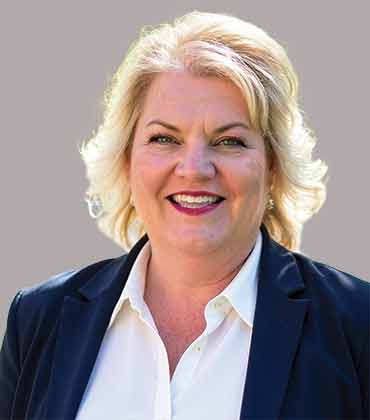
Dr. Charity Plaxton-Hennings is a licensed clinical psychologist, certified trauma specialist, and educational leader with a doctorate in Clinical Psychology, a bachelor’s degree in Speech Communication and Psychology, and two master’s degrees in Public Health and Psychology. She also completed a postdoctoral fellowship in pediatric neurodevelopmental psychology at Loma Linda Children’s Hospital and holds credentials in School Psychology and Administrative Services. With over 25 years of experience, she has served in a variety of capacities focused on education and families including a pediatric neuropsychologist, professor, school psychologist, and senior leader in special education, students services and program development, while also providing consultation and training with various organizations. She has trained and presented at a variety of conferences and professional meetings.
Building Community Relationships in Education
One of my top priorities has been cultivating strong, authentic relationships within the community. In an era dominated by social media and widespread skepticism about the reliability of information, genuine human connections have never been more vital. When individuals know, trust, and feel connected to their educational leaders, it establishes a solid foundation for collaboration and meaningful progress.
This conviction has guided my focus on being present, visible, and intentional in developing authentic relationships with staff and the families we serve.
The Expanding Role of Modern Superintendents
I believe a superintendent’s core responsibility is to ensure that staff and the broader community are deeply invested in the school’s mission and vision. Beyond fostering initial commitment, the superintendent must continually elevate that mission and vision in every discussion and decision, keeping teachers, staff, and community members anchored to the organization’s fundamental purpose.
In today’s fast-paced and often turbulent environment, it is all too easy to become sidetracked by emerging initiatives, new technologies, or shifting priorities. As superintendent, my role is to provide clarity and steadfast focus by aligning all efforts with the district’s mission and vision. This involves regularly reinforcing the “why” behind our work, helping staff connect their daily responsibilities to a larger purpose, and confirming that every initiative advances the organization’s core goals and values.
The Values Guiding High-Stakes Leadership
A defining quality of my leadership is the commitment to remain grounded in integrity and kindness, even amid difficult circumstances or opposition. I approach every interaction with empathy, professionalism, and principled judgment, ensuring that decisions consistently reflect respect and ethical integrity.
Our school is in a position of strength, yet transforming organizational culture remains one of the most demanding aspects of institutional growth. With thoughtful, sustainable leadership strategies, however, such transitions become achievable— yielding stronger outcomes for students, families, and the entire organization.
Effective Programs Transforming Districtwide Student Outcomes
A highly visible initiative currently underway is the development of our new campus. Reaching the groundbreaking stage required navigating complex county and local regulations, permitting processes, and numerous logistical challenges. Located almost directly across the street from our existing facility, the project has remained prominent in the eyes of the community.
There is palpable excitement and community investment surrounding the project, as establishing a permanent home has been a long-standing goal since the charter’s founding. Transitioning from leased facilities to a dedicated campus marks a significant milestone for both the school and the families we serve.
“For superintendents, effective leadership requires balancing the daily demands of execution with consistent communication and relationship-building. Schools move forward when communities feel informed, connected, and invested in the mission.”
Throughout this extended and demanding process, I remained actively engaged at every stage while maintaining consistent communication with the community about progress. Balancing these responsibilities has been both challenging and profoundly rewarding.
Strengthening Trust across Educational Stakeholder Communities
At the heart of effective leadership is visibility and accessibility. I prioritize prompt, thoughtful responses to parent concerns and make it a daily practice to be present each morning at the front of the school, personally greeting students and families. I also participate directly in key student experiences—for instance, joining the show choir on their trip to Tennessee—because leadership demands showing up and investing in the lives of those we serve.
While it is impossible to build deep personal connections with every individual, it is essential that families and staff sense the genuine care and effort underlying these relationships.
I maintain an open-door policy with faculty and staff, encouraging them to stop by my office, send a message, or request a conversation at any time, with the assurance of a timely response. Beyond the school day, I create informal opportunities for connection, such as our popular “Diet Coke and Chocolate” gatherings—named for two of my personal favorites—where parents can ask questions, receive updates, and engage in a relaxed setting.
Adapting Schools to Changing Educational Priorities
One of the greatest challenges in contemporary education is preserving critical thinking in an age shaped by artificial intelligence and digital convenience. With information instantly accessible and content generatable in seconds, students face fewer natural demands for deep research, analysis, or independent inquiry.
My priority is to equip students with the skills to think critically, pose meaningful “why” questions, and participate in thoughtful dialogue. In a world where data and automation can supplant surface-level learning, our responsibility is to cultivate lasting appreciation for reflection, rigorous analysis, and authentic human inquiry.
What Future Educational Leaders Need Most
Superintendents are often highly task-oriented by nature. Presented with a list of objectives, we will diligently pursue every item to deliver results. Yet in doing so, it is easy to become inwardly focused and overlook the community’s broader needs—particularly the essential requirements for transparent communication and genuine connection.
A continuing lesson in my leadership journey is the importance of balancing operational demands with meaningful engagement. Parent involvement, faculty and staff communication, and community outreach must remain central priorities. When projects intensify or competing demands accumulate, leaders must intentionally pause to ensure stakeholders understand both the decisions being made and the rationale behind them.
Truly effective leadership requires sustaining both an inward focus on execution and an outward focus on relationships and communication. This balance is not a one-time achievement but an ongoing practice that demands continual attention and refinement. Just like my students—I am always learning!

Get the best of Education Insider delivered directly to you.
