

Dr. Adam Leckie
A Student-First Vision for School Leadership
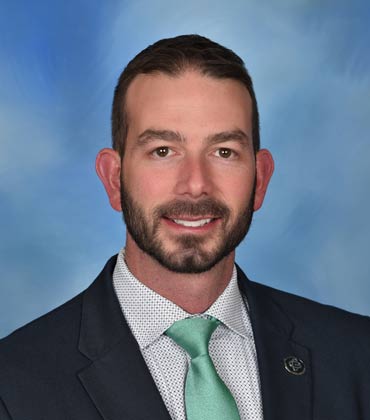
Dr. Adam Leckie is Superintendent of the Casa Grande Elementary School District in Arizona, bringing extensive experience in special education and educational leadership. He has held roles including special education administrator and assistant superintendent for student services. He has also co-authored publications on special education and educational equity, with a focus on inclusive learning and improving student outcomes.
From Teaching to Superintendency
My journey in public education began in college when I took a job at a rehabilitation facility supporting students with autism. Although I initially wanted to become an English teacher, working with CJ, a 12-year-old boy with severe autism who was non-verbal, changed my path.
Connecting with him was challenging at first, but I persisted and built a meaningful bond. He became a key reason I stayed in education and inspired my commitment to helping vulnerable students thrive. Although CJ later passed away from a seizure disorder, his influence continues to shape my leadership.
I went on to work as a paraprofessional supporting students with intellectual disabilities, gaining firsthand insight into frontline school employees' experiences. I also met my wife in that classroom. We later became special education teachers, a role I found deeply rewarding. Alongside teaching and coaching wrestling, I earned a master's degree in applied behaviour analysis to strengthen my ability to support students with challenging behaviours.
Although I initially had little interest in leaving the classroom, I eventually saw leadership as an opportunity to reach more students and build teachers' capacity. I became a master teacher, then special education director and assistant superintendent, working to improve district programmes and centre students in decision-making.
For over four years, I have served as superintendent of an elementary school district. My background in special education continues to guide me. I believe systems that effectively serve students with the greatest learning challenges can benefit every child. I regularly reflect on what CJ would need from me as a leader to ensure every student has the support to thrive. That question keeps me grounded in my work.
Removing Barriers to Student Success
As a special education teacher, I learned to address challenging behaviours by understanding their causes and finding ways to support students. I remember one student whose constant vocalisations disrupted the classroom and who had limited verbal communication skills. We examined what drove her behaviour and how we could improve her communication. Our support helped her succeed.
This experience shaped my belief that children want to succeed, and when they struggle, something is standing in their way. Educators must identify and remove those barriers through collaboration among teachers, students, families and school teams. At the district level, we apply the same approach by examining barriers and testing solutions.
“One of education’s biggest priorities is preparing students for a rapidly evolving future.”
Success means helping students reach their full potential. We have developed a portrait of a learner to define the non-academic skills students need alongside academic knowledge, including resilience, communication, collaboration, civic responsibility and creative thinking. We are working to measure students' progress in these areas, as well as their engagement and motivation. Making education relevant and meaningful is essential to preventing disengagement and fostering lifelong learning.
Building Shared Ownership
Throughout my career, we have placed people at the centre of system improvement, using feedback loops to identify workplace barriers, address them and continually refine our efforts.
Recognising employees who demonstrate our core values is equally important. What gets recognised gets repeated, helping these behaviours spread across the organisation.
Intentional gratitude is another key aspect of people-centred leadership. It helps employees feel valued and connected, strengthens relationships and can benefit the emotional well-being of those expressing it.
As superintendent, I model these behaviours and encourage a culture of expressing gratitude. This is reflected in our organisation’s language and actions through handwritten notes, emails and recognition at school and district levels.
Rethinking Education for a Changing Future
One of education’s biggest priorities is preparing students for a rapidly evolving future. Technology, particularly AI, is changing how we work, think and interact. The tech progression makes it essential to rethink school systems and the skills students need beyond today’s academic content.
Many schools still operate much as they did a century ago. On the other hand, regulations, grant requirements and state standards can limit innovation. Workforce development also needs attention, as divisions among public, charter, voucher and private schools raise concerns about equal educational opportunities.
Although successful models exist, we must identify what prevents them from being adopted more widely. Every child, regardless of ZIP code or background, deserves an equitable opportunity to learn in a system that can adapt to changing needs.
Leading with Persistence and a Commitment to Students
My advice to aspiring school and district leaders is to persevere because leadership, though challenging, is deeply rewarding. Our profession needs people with diverse experiences, skills and perspectives to lead the next generation.
Despite the demands and often negative narrative around education, few professions offer such an opportunity to make a lasting impact on children. I am proud and grateful to lead, and I recognise the responsibility it carries. Every child gets only one chance to experience each grade, so we must create better learning environments and support our communities through strong public schools.
Aspiring leaders should seek informal leadership opportunities because leadership is a behaviour, and not a job title. Our profession needs capable people ready to step into leadership roles and continue the work so that students and communities have the support they need.

Get the best of Education Insider delivered directly to you.
