

Cynthia Miller
Designing Schools Around the Learner
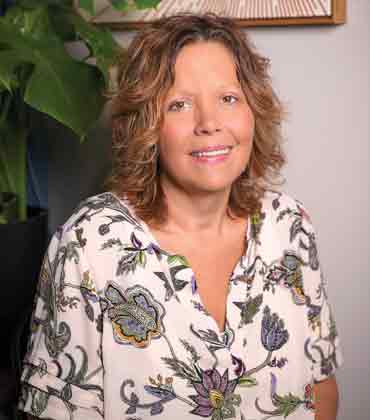
Cynthia Miller is Director of Special Services at Springfield International Charter School, where she leads inclusive, student-centered programs.
For years, Cynthia Miller struggled to read in school. Her teachers never identified the reason. However deliverance came when she was 22, when she was working on her master's thesis, a professor asked what support she had received. Miller had dyslexia. The diagnosis explained much of her childhood and eventually influenced the kind of educator she wanted to become.
"I was drawn to special education because I was a student with reading needs that were never addressed," says Miller.
However, the challenges a student experiences may also stem from unmet basic needs outside of school, including food insecurity, housing instability, or a lack of emotional support. Access to stable housing, consistent meals, and a safe, supportive environment provides students with a sense of security and stability. When these fundamental needs are met, students are better positioned to focus on learning, engage meaningfully in school, and achieve academic and personal success.
Today, as Director of Special Services at Springfield International Charter School (SICS), Miller oversees and supports several areas, including special education. She looks for the difficulties that might otherwise go unnoticed. A student struggling in class may need help with reading.
Seeing the Child behind the Classroom Struggle
Miller's career has taken her through several corners of education. She started at Head Start, overseeing infant and toddler programming as an education specialist. After earning a master's degree in mental health, she entered public schools as a behaviorist. At Palmer Public Schools, she later served as behaviorist, assistant principal, team chair, and director of special services. She joined SICS in 2018.
Her clinical background influences how she works with teachers and related service professionals. She brings teaching, clinical, and support teams together to understand what a student needs to participate and learn. She also wants children to recognize their abilities early. By the time formal transition planning begins at 14, students should already have a sense of their interests and strengths.
Families play a big role in shaping those conversations. Miller might begin with a family's hope that a child will attend college, then work backward. What does that ambition look like for a kindergartner?
What should a third grader be learning?
Where does the child stand today?
The answers help families and educators identify the steps ahead.
She brought the same attention to students' experiences outside regular lessons when she introduced Unified Enrichment shortly after COVID. Miller had noticed how hard students receiving special education services worked to keep pace with their peers. She wanted them to have activities where they could discover what they enjoyed and what they did well.
Students with IEPs, 504 plans, or identified disabilities choose from cooking, sewing, theater, and arts and crafts. The school runs four six-week cycles annually, including one during summer. Now in its fifth year, the program gives students time to work together, develop social skills, and enjoy learning through activities that do not involve screens.
Every Learner is Included
Miller brings the same thinking into the classroom. SICS has no separate behavioral or life skills classrooms. Her team works to keep students alongside their peers, with support provided where they learn.
Behavioral Learning Support Paraprofessionals help students manage emotions, work through difficult moments, and use their accommodations. The school's BCBA and special services administrators provide additional training.
Making inclusion work also means involving the people who shape a school's daily routines. Miller works with principals to account for special education needs when developing schedules. Her department's strategic plan also encourages more co-teaching, bringing general and special education teachers together in the classroom.
When Miller joined SICS, an outside company managed the school. Its approach to special education differed from hers. Not one to cave in, she made her case through classroom examples. For example, a student with significant reading delays, could still learn social studies alongside classmates if the teacher adjusted the reading material while retaining the lesson's central ideas she said.
Similarly, Miller questions the plight of students experiencing such challenges with attention and executive functioning. She believes educators must keep adjusting their approaches as children's needs change.
"We have to change with kids. We can't expect kids to change with us," she says.
For Miller, the work comes back to a lesson she learned as a student. Children need educators who recognize their struggles early and provide the support they need to discover what they can achieve. She encourages new special education leaders to keep students at the center of their decisions and build relationships with colleagues outside their schools. The work can feel isolating, and a network of peers offers perspective when difficult decisions arise.

Get the best of Education Insider delivered directly to you.
