

Craig Weinreich
Leading Student Success with Strong School Culture and Connection
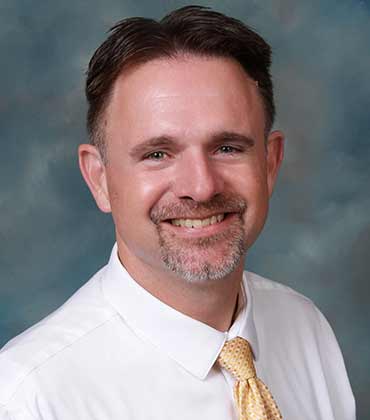
Craig Weinreich is the principal of Sunny Hills High School in Fullerton, California. For nearly three decades, he has taken up roles across the education field, including working as a teacher, coach, and administrator before serving as principal. He is dedicated to ensuring student success, collaboration, academic excellence, and a strong school culture.
A Leadership Journey Rooted in the Classroom
For 16 years, I taught history and English at Sunny Hills High School while also serving as a basketball coach, baseball coach, assistant athletic director, and in other campus leadership roles. My transition into administration began when the Dean of Attendance role opened, essentially a teacher on special assignment position focusing on attendance. Our new principal at that time, Allen Whitten, reached out to encourage me to take on the role and join his administrative team. Although I was reluctant to make this change at first, he finally convinced me.
That decision marked the start of my administrative career about 12 years ago. I spent five years as an assistant principal at Sunny Hills and then served a little over two more years as an assistant principal at two other high schools in our district before returning to Sunny Hills as principal, where I have served since.
Allen has been one of the biggest influences on my career by encouraging me to move into administration. He saw my potential early, gave me the opportunities to grow as a leader, and continues to be an important mentor throughout my journey.
Leadership Lessons That Have Stood the Test of Time
Many of my leadership lessons come from my coaching background. Moving into administration felt much like leading a team, and it reinforced the importance of building positive relationships and culture while still paying attention to details.
Education is a people-centered profession. Whether working with students, parents, or staff, the focus is always on meeting other people’s needs and building trust with them. What I learned in the classroom and on the field naturally shaped my leadership development and prepared me for my administrative roles.
Another key lesson is the importance of taking care of the small things that impact and shape the daily routines for teachers and students. Addressing these experiences helps create the conditions for success for everyone at my school.
Fostering Excellence in a Large School Community
At a large high school like Sunny Hills, building positive relationships with students, parents, and staff members is crucial. Leadership needs to ensure students, parents, and staff see themselves as part of one team working toward the academic excellence and student engagement necessary for success to happen.
“Education is a people-centered profession. Whether working with students, parents, or staff, the focus should always be on meeting other people’s needs and building trust with them.”
Beyond clear communication, visibility matters in a school this size. Students, parents, and staff need to see leaders on campus, know them by name, and feel their presence beyond the office. Engagement through events, individual conversations, and participation around campus builds those positive connections.
The same applies to students’ families. We are fortunate to have an active parent community and work to support it through multiple channels. Through weekly newsletters, social media outlets, and PTSA collaboration, we work to keep parents and the community informed and involved. I attend events regularly so that parents can connect directly with leadership. We also create intentional opportunities through back-to-school and open house nights, along with other community and program-based events.
A highlight is our International Day, which celebrates campus diversity through student performances and a food fair. These events strengthen family connections, which in turn support student success. The goal is shared ownership of the school experience. As a step toward inclusivity, we have also prioritized communication in families’ home languages. This way, we have strengthened engagement with two of our largest family groups. The addition of Korean and Hispanic parent organizations within our PTSA has helped deepen participation and align families with school goals.
Alignment is challenging in a large community, but we have benefited from a strong culture built over the past 15 years, which I have worked to sustain and strengthen.
A Culture Built on Wellness and Achievement
Student well-being is a top priority. It begins with creating a strong school culture where students feel connected, supported, and engaged. Strong academics remain central, but belonging is equally important, and helping students find their fit is critical.
Our student support systems include a full-time mental health specialist, the “Sunny Spot” wellness center, and continual training for staff to recognize and respond to student needs. We also take a proactive approach by embedding support into classrooms and programs before issues escalate.
The more students are connected to school through clubs, athletics, and activities, the stronger their well-being and awareness of available support. It also comes down to creating meaningful opportunities for engagement, while ensuring our staff have the training and mindset needed to support students and be an active part of that process.
Strategic Focus on Student Success
As part of our broader focus on strengthening collaboration and keeping student learning at the center of our work, one of our key initiatives has been rebuilding Professional Learning Communities (PLCs). After several years away from the model, we gradually implemented it, with a focus on encouraging collaboration, student outcomes, and purposeful meetings centered on learning rather than logistics.
I worked closely with our leadership team and individual teachers to reestablish a true PLC culture on campus, while creating collaborative teams and setting goals for different academic groups.
The impact has been significant. We were recognized as a California Distinguished School by the California State Board of Education, an Orange County Impact School by Orange County Department of Education, and a Promising Practices School by Solution Tree. We have also seen steady gains in standardized test performance and both AP and IB testing results.
The Evolving Landscape of High School Leadership
Rapid technological change, particularly AI, is one of the biggest challenges facing schools. Despite ongoing training and tools, the pace of change remains difficult to manage.
Our district, as well as Sunny Hills, takes a cautious approach to AI. While no major initiatives have been launched, the technology has raised important questions about academic integrity and responsible use. Our focus is on ensuring both students and staff understand these tools and engage in meaningful conversations about ethics and application. We continue to navigate this evolving space as expectations and capabilities change rapidly.
In California, declining enrollment also presents challenges for staffing and programs. We have been fortunate to maintain enrollment through a strong school culture that attracts families. Continuing to create a positive atmosphere that students want to be a part of will be important for maintaining enrollment.
Post-pandemic effects remain another concern, as many students continue to face academic and mental health challenges from that period of time. Supporting their recovery and long-term success should be a continuing priority for school leaders.
My advice for those desiring to become leaders in schools and seeking to address these kinds of issues is not to rush into it. Leadership opportunities come naturally, and the most meaningful learning comes through varied experiences over time. My years in the classroom were essential in keeping me grounded in student needs and learning. These experiences formed the foundation of understanding how best to lead and inspire other people toward common goals.
Keep in mind that leadership is relational. It is built on trust, connection, culture, and strong relationships. Culture must come first, because everything else grows from it. Taking time to understand that bigger picture is what prepares you most for leadership.

Get the best of Education Insider delivered directly to you.
