

Casanna Jackson
Reimagining the Academic Experience through Connection and Belonging
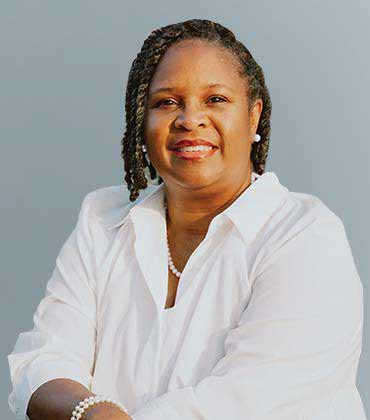
Casanna Jackson serves as Library Director at Jacksonville University, where she leads a student-centered library focused on accessible resources, meaningful learning and community connection. Her leadership brings together collaboration, evolving technology and responsive services to meet the needs of today’s learners.
At Jacksonville University, the library isn’t always quiet, and that’s intentional. Students gather around tables to work on projects, while others find quieter spaces to focus. Food is welcome, conversations happen, and students can use the space in ways that work best for them.
Jackson calls it a “talking library.” Some students learn best in quiet, while others thrive on discussion and collaboration. The library makes room for both.
Jackson’s perspective comes from a career that began outside librarianship. She began her higher-education career as an administrative assistant in the tutoring and learning center, a space inside the library. Getting to know the library staff led her to work in the library and eventually pursue library school. Librarianship is her second profession, and she is a veteran.
The experience shaped her view of student success. She saw how students gained confidence when they felt supported and valued, particularly when they mastered challenging concepts. She recognized that providing access to information is only part of the equation. Students also need guidance in finding relevant resources and using them effectively. The same belief continues to guide her leadership.
Advancing Student Success Through Responsive Leadership
Jackson sees the library’s people as its greatest resource. Staff help students find research materials, work through projects and build skills they can carry into their coursework and beyond. The library offers materials in different formats, technology, study areas and research assistance. Jackson also emphasizes personalized, subject-focused support, with resources tailored to students’ disciplines, assignments and preferred learning styles. Multiple formats and points of access support independent learning.
She also places importance on representation. Displays that highlight African American, Asian American and Pacific Islander cultures and contributions give students opportunities to explore perspectives they may not encounter elsewhere. Students have expressed gratitude for these displays, which can help them see themselves in the spaces where they learn and foster engagement, belonging, curiosity and pride.
Jackson does not believe there is one formula that every academic library should follow. Her work with the Florida State Library Council reinforced that belief, broadening her view of libraries as places that serve communities beyond education.
“ Libraries must change to remain the same. Our methods, technology and services will evolve, but our purpose of connecting people with knowledge, learning and opportunity will remain constant. “
Through initiatives focused on literacy, community gardening, and access to shared tools and resources, she saw how libraries can connect people with useful resources, bring communities together and address practical needs. The experience also strengthened her ability to advocate for libraries and their broader role in improving quality of life.
Technology, Trust and the Future of Libraries
Technology continues to shape library services, but Jackson believes adaptability is essential. She sees technology as a way to support and enhance how students learn and allow them to learn on their own terms. College students now come from a wider range of ages and experiences, bringing different expectations and learning preferences with them.
Jackson also sees libraries as important places for building information literacy. As misinformation spreads quickly, students need to know how to evaluate sources, question information and identify reliable evidence.
Jackson expects academic libraries to evolve with their communities. She believes they will become increasingly important as information destinations, with leaders creating spaces around the needs of those they serve, even when that means moving beyond traditional models. Students and staff see what works firsthand, and some of Jacksonville University’s strongest initiatives have grown from their feedback.
Her advice to future library professionals is straightforward: listen to students and listen to staff. The people closest to the work often have the clearest ideas about what should come next. For Jackson, that keeps the library focused on its essential purpose, giving people a place to learn, connect and belong.

Get the best of Education Insider delivered directly to you.
