

Erin Shiroma
Strengthening Learning Through Community
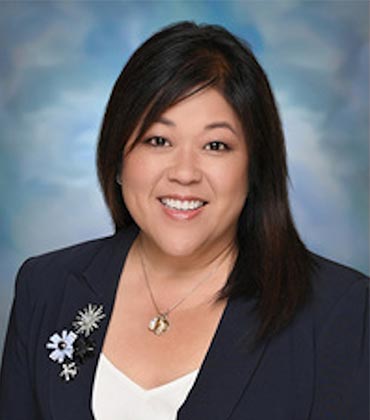
Erin Shiroma is an experienced education leader with nearly three decades of experience in K–8 education. As Superintendent-Principal of San Jose Charter Academy (SJCA), she leads academic, operational and community priorities as a single-school district leader. Her work reflects a long-standing commitment to student growth, educator development and community-centered learning.
From Classroom to School Leadership
I always knew I wanted to become a teacher, though I was unsure which path would lead me there. After attending the University of Washington, I explored different options before finding a program at Claremont Graduate School that matched how I learn best. Combining educational theory with classroom experience, it reinforced my belief in learning through doing.
As part of the Claremont's program, I completed an internship at West Covina Unified School District, where I began teaching second grade while, unbeknownst to me, the district explored a district-charter partnership. The opportunity introduced a charter school model within public education, with an extended school day and dedicated PE, art, music and Spanish teachers. As a teacher early in my career, many of those areas reflected my own learning and introduced a different approach to teaching.
In 1998, I joined SJCA as a founding second-grade teacher. What initially felt like a short-term opportunity gradually turned into a long-term career. Leadership development was embedded into the school model and later opened opportunities including curriculum coordinator, literacy coordinator and national trainer across the charter network.
After serving as assistant principal for 14 years, I became principal in 2016 and superintendent principal in 2022. Nearly three decades later, I continue serving the same school community where the journey began.
Building Culture through Collective Efficacy
My leadership approach is grounded in empowering others. Creating opportunities for people to take initiative, learn through experience and try new ideas with support helps them grow while also contributing to the organization’s larger goals.
When educators feel invested and build authentic relationships with students, families and one another, collective confidence grows and strengthens school culture. One of the most meaningful compliments I hear from visitors and longtime families alike is that SJCA feels like a family.
Strengthening teaching and learning begins with remaining learners ourselves. Understanding what students and teachers want to achieve creates opportunities before evaluation. Standards remain important, but an inquiry mindset creates stronger systems for growth.
Belonging and Rigor in Learning
I believe principal-level leadership makes the greatest difference at the intersection of belonging and academic rigor. Students need to feel that they are active participants in their learning, instead of being taught at.
Academic outcomes matter, but culture comes first. Long-term success requires more than test scores. As a TK through eighth grade school, we have the opportunity to know students for nearly a decade allowing us to understand their strengths and needs over time.
Belonging extends beyond knowing a student’s name. It requires understanding individual needs and creating learning experiences that meet learners where they are. Some need greater support while others need additional challenge.
Academic growth is also strengthened through the arts and attention to physical and mental well-being. Together, these elements create the foundation for sustained accountability and long-term success.
Rebuilding Trust after Disruption
COVID reshaped my thinking as a school leader. While many viewed the pandemic as a period that kept students away from school, I saw an opportunity to strengthen connection. Distance learning required a deeper understanding of family stories, student needs and teacher experiences. Instead of asking students to return, the focus became understanding how we could help them stay engaged. For some, that meant adapting virtual learning approaches to encourage participation.
Returning to campus also brought unprecedented attendance and reintegration challenges. Restoring trust for students, families and teachers became a priority, particularly while staff continued navigating concerns around health and safety.
That period reinforced an important lesson. Safety must come before growth and engagement. It challenged me to listen first, understand individual needs and rethink how best to support 1,200 students through significant change.
Managing Expectations in a Changing Landscape
Accountability begins with clarity around what needs to be done and why it matters. While some expectations are mandated, I try to connect them with values, goals and student outcomes.
Part of my role involves protecting classroom time so educators can focus on students. When challenges arise, my responsibility is understanding barriers and helping remove them.
Clear communication also matters. People need to understand expectations, purpose and direction. Modeling accountability across staff, families and the school community supports continuous improvement.
As education evolves, I believe one of the biggest leadership challenges will be balancing accountability with trust. Public education should have accountability, especially when public funding is involved. Plans and reporting requirements can create duplicated work and make priorities harder for communities to understand.
Tools such as the LCAP are intended to support transparency and community involvement. The purpose remains important, though the process can sometimes create barriers that make priorities less clear. As a strategic leader, I value planning because it helps keep the main thing, the main thing. The challenge is translating plans into meaningful experiences for classrooms and families. At the end of the day, most parents ask much simpler and more personal questions. Did my child feel seen? What did they learn? Are they being supported? Effective leadership requires bridging large-scale planning and the everyday experiences of students and families.
Schools are also navigating growing conversations around safety, technology and AI. Plans and policies matter, but leaders must also help families understand what those plans actually mean for students in practical terms. I sometimes wonder whether declining public school enrollment reflects broader trust questions. Serving as both superintendent and principal gives me perspective across district priorities and day-to-day school operations while making the balance between communication, accountability and trust increasingly complex.
“Leadership is not defined by title. It begins with showing up and continuing to make each day better.”
Creating Impact through Community Investment
SJCA has earned National Blue Ribbon recognition three times: in 2009, 2016 and 2023. I do not see those achievements as individual accomplishments. They reflect a community where people feel connected and invested in shared success. As a single-school district, SJCA operates as one unified community without a separate district office removed from daily school life. That structure strengthens connection and continuity.
Consistency remains central to our academic model. Through job-embedded professional development, educators align learning goals and create continuity across grade levels.
We continue investing in facilities and maintaining a strong partnership with West Covina Unified. Whole child wellness also remains a priority, with four school-based counselors support our students. Every investment we make is intended to strengthen the experience students, families and educators have each day. Sustaining a connected school community remains central to helping every learner thrive.
Leadership is not defined by title. It begins with showing up and continuing to make each day better.

Get the best of Education Insider delivered directly to you.
