


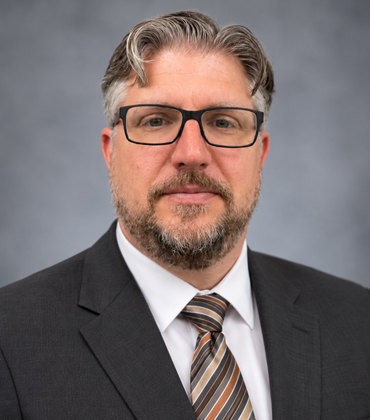
 Troy Noble, M.Ed., Owner
Without support in the classroom, even good ideas can struggle to take hold. For schools seeking better mathematics outcomes, the challenge is not simply providing more training; it is helping teachers put what they learn into practice.
Associates for Educational Success (AES) addresses this gap through three connected areas: model lesson delivery, mathematical content knowledge, and incorporating researched based instructional tools into lesson planning and preparation.
AES consultants model for teachers structured lessons that flow logically, deepen their understanding of the mathematics they teach, and develop plans that include highly effective instructional strategies and with clear learning outcomes. The company works primarily with Title I schools, serving elementary through high school in urban, rural, suburban, and reservation communities across approximately eight states.
For Owner, Troy Noble, M.Ed. and Senior Consultant, Jenny Goodwin, these areas work best when they are part of a coordinated system that includes teachers, instructional coaches, and school leaders.
Working alongside Teachers
AES concentrates on three areas of mathematics instruction: how teachers deliver lessons, how well they understand the mathematical concepts they teach, and how they prepare lessons. The work is practical. Teachers need to understand the material, plan lessons with clear objectives, and explain concepts in progressions that make sense to their students.
-
We don't typically pull teachers from their classroom and tell them what to do. We get in there with their students and show teachers how instruction can look.
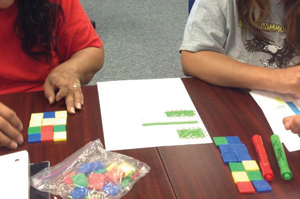
Rather than asking educators to adopt a ready-made program, AES works with the curriculum already used in their classrooms. Their Design, Deliver, Debrief process brings consultants and teachers together to plan lessons, model them, and discuss what happened. Teachers then set goals to work on before the next visit.
That follow-through matters. AES typically returns to a school four or five times during the academic year, giving teachers opportunities to try new approaches, discuss difficulties, and make adjustments. Workshops also give teachers a chance to experience mathematical activities as learners, helping them understand concepts they may have learned previously as rules without fully grasping the reasoning behind them.
“We don't typically pull teachers from their classroom and tell them what to do. We get in there with their students and show teachers how instruction can look,” Noble explains.
Finding What Each School Needs
No two schools begin in quite the same place. Before deciding what support to provide, AES examines mathematics data, speaks with school leaders and coaches, and considers teachers' concerns and growth goals. The findings help consultants decide where to begin rather than overwhelming staff with multiple changes at once. Small steps, big changes.
The company also considers who will work best with each school. Its consultants have researched and tested instructional practices in their own classrooms, giving them firsthand experience of the challenges teachers face. That experience helps them build relationships with educators and offer advice grounded in the realities of teaching.
Results That Extend Beyond Test Scores
At a Title I elementary school in San Antonio, Texas, a group of third-grade students scored 36 percent on the state's mathematics assessment. The school was under close scrutiny because of its performance. After beginning work with AES, teachers and school leaders aligned their instructional practices around a shared system. By the time those students reached fifth grade, their pass rate had risen to 92 percent. The school maintained its improvement over subsequent years.
 Noble also described a Title I school in Phoenix that moved from a low-performing rating to an A rating after sustained work on lesson planning, delivery, instructional tools, and mathematical content knowledge.
For Goodwin, however, the changes in teachers can be just as telling as the numbers. Educators who initially expect just another professional development requirement sometimes discover that the work makes their jobs more manageable and restores their enthusiasm for teaching.
“One of our biggest success stories at each campus is maybe a veteran teacher who's been teaching for 28 years, and they say, ‘Where has this professional development been my whole career?’” Goodwin says.
Taking the Work Further
AES hopes to extend its approach nationwide, bringing the same classroom-based support to schools beyond its current reach. Its goal is to help more educators build effective instructional practices and give more students the opportunity to succeed in mathematics.
AES has been named Top Mathematical Professional Staff Development Services 2026. The recognition highlights the company's work with teachers and school leaders to improve mathematics instruction through sustained, practical support.
For AES, lasting progress comes from helping schools work together, identify what needs attention, and improve one step at a time.

