


 Shannon Gilligan, President
Before the first lesson is taught or students turn their attention to coursework, theater rehearsals, or championship aspirations, there is prayer. It is a consistent part of the school day and offers a glimpse into how Archbishop Spalding understands education. At a time when schools are judged by test scores, scholarships, and program offerings, the school has remained anchored in preparing students for what they will do and who they will become.
That philosophy can be seen throughout campus life. It is present in the Masses that bring the community together, the retreats that accompany students from freshman year through graduation, service experiences, and classrooms where Catholic identity is woven throughout the broader educational experience.
For Shannon Gilligan, president of Archbishop Spalding, faith is not a separate pillar operating alongside academics and extracurricular activities but the thread intended to connect them all.
Maintaining that sense of purpose within a school that offers the breadth of opportunities expected from one of the region’s leading Catholic institutions requires intentionality. Yet Archbishop Spalding's growth has not led it away from its mission. Instead, the school has built a model in which community, faith, and personal formation are designed to scale together, creating an environment where students are encouraged to pursue excellence while remaining grounded in service, character, and belonging.
Recognized as Catholic Secondary High School of the Year, Archbishop Spalding's distinction reflects a culture built around community, faith, and personal formation.
Where Faith Becomes Practice
For many schools, faith formation takes place in designated religion classes or during special observances throughout the year. At Archbishop Spalding, faith is integrated into the daily experience of being part of the community, creating opportunities for reflection, personal growth, and spiritual development at every stage of the high school experience.
The school's commitment to faith extends into spaces that are not traditionally viewed through a religious lens. Teachers are encouraged to connect lessons to broader questions of responsibility, ethics, and human dignity. Athletic teams pray before competitions, clubs and student organizations begin gatherings with reflection, and campus ministry opportunities allow students to take active leadership roles, including participation in school liturgies and service initiatives.
“Catholic identity is definitely at the forefront of our mission daily,” says Gilligan.
The result is an environment where faith functions as a shared foundation that influences how students learn, serve, compete, and engage with one another.
Creating Belonging at Scale
Maintaining a close-knit community is often easier in smaller educational settings. Archbishop Spalding has demonstrated that it can also be achieved at scale.
Serving approximately 1,280 students, the school offers a broad range of opportunities while remaining focused on ensuring that students feel personally connected to campus life. That commitment is reflected in the diversity of programs available to students and in the school's willingness to create new opportunities when interests emerge.
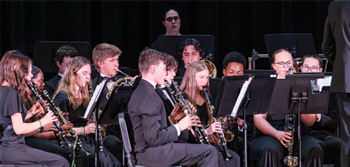
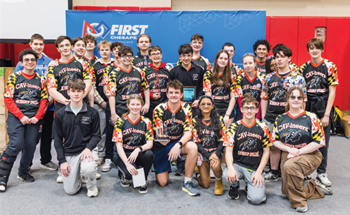
 Athletics remain a significant part of the student experience, but they represent only one avenue for involvement. Students can participate in music ensembles, theater productions, robotics teams, leadership organizations, service programs, and an expanding network of clubs shaped by student interests. If students identify a passion that is not currently represented, they are encouraged to bring the idea forward and work with school leaders to establish a new organization.
“We have something for everyone,” Gilligan says.
The statement reflects a larger philosophy. Rather than asking students to adapt themselves to a limited number of pathways, Archbishop Spalding works to create an environment where every student can find a place to belong. Community is not viewed as an accidental outcome of school life but as an intentional part of the educational experience.
That focus on belonging also helps explain the strong sense of pride that extends beyond graduation. Students are encouraged to see themselves as contributors to a community that values participation, service, and shared purpose.
Designing for Different Journeys
The same philosophy that shapes student life also influences the school's academic model. Archbishop Spalding's eight-period schedule provides a level of flexibility that allows students to pursue individualized pathways while maintaining high expectations. Students can build schedules that reflect their interests, strengths, and goals, whether that means pursuing advanced coursework, balancing academic and extracurricular commitments, or exploring multiple areas of interest.
-
When faith becomes part of daily life rather than an occasional practice, students discover a foundation that will guide them long after high school.
Supporting that flexibility are a substantial faculty, a wide range of course offerings, and a commitment to accommodating students whenever possible. Rather than relying on rigid structures, the school seeks to create an academic environment that recognizes the diverse ways students learn and grow.
This approach reflects a broader understanding of excellence. Academic success is not measured solely by the performance of the most advanced students but by the institution's ability to challenge, support, and develop learners across a wide spectrum of abilities and interests.
Supporting Growth through Inclusion
That commitment is particularly evident in the Aquinas Program, which supports students with learning differences while keeping them fully immersed in the broader life of the school.
The program emphasizes inclusion, skill development, and long-term growth rather than separating students into distinct educational tracks. Students receive targeted support while remaining active participants in classrooms, extracurricular activities, and community life.
 Over time, many students develop stronger study habits, increased confidence, and greater academic independence. Some progress to the point where they require significantly less support than they did when they first entered the program.
The Aquinas Program reflects a philosophy that extends throughout Archbishop Spalding: Students should never be defined solely by their challenges. Instead, they should be provided with the tools, encouragement, and opportunities necessary to reach their potential.
That emphasis on growth allows students to experience success while remaining connected to the larger community around them, reinforcing the school's belief that support and inclusion should go hand in hand.
Informed by Data, Guided by Mission
While relationships remain central to the Archbishop Spalding experience, the school also relies on data to evaluate outcomes and inform strategic decisions.
 Academic performance is reviewed throughout the year, allowing administrators and faculty to identify trends, assess student progress, and respond proactively when adjustments are needed. Data is used to monitor achievement, evaluate the effectiveness of programs, and determine how resources can best support student success.
The school examines a range of indicators, including college placements, scholarship awards, academic performance, and enrollment patterns. These insights help leaders understand where students are thriving and where additional opportunities may exist for growth.
Data also plays a role in shaping the academic future of the institution. By reviewing student interest and performance across courses, administrators can make informed decisions about which offerings should be expanded, strengthened, or developed further.
Yet numbers alone do not drive decision-making. Academic outcomes are viewed within the context of the school's broader mission. Success is measured by acceptance letters, scholarship totals, and whether students are developing the skills, habits, and character necessary to thrive beyond graduation.
Innovation Guided by Responsibility
As educational institutions navigate the rapid rise of artificial intelligence and emerging technologies, Archbishop Spalding has adopted a practical and forward-looking approach.
 Gilligan believes students must learn how to engage with these technologies responsibly because they will inevitably encounter them in college and professional environments. The school views AI as a tool that students should learn to understand, evaluate, and use effectively.
Faculty members are encouraged to stay informed about evolving technologies and explore appropriate ways to incorporate them into learning experiences. At the same time, students are reminded that technology should support critical thinking rather than replace it.
This perspective aligns closely with the school's broader educational philosophy. Just as students are encouraged to develop strong academic skills and moral judgment, they are also expected to approach technology with discernment and responsibility. The objective is to prepare students for technological change and to help them navigate that change thoughtfully and ethically.
A Community That Endures
The impact of Archbishop Spalding's approach extends well beyond the years students spend on campus.
Across the Baltimore region, alumni remain deeply connected to the institution and proudly identify with the school community that helped shape them. That sense of connection reflects the relationships formed during students' time at the school and the culture of belonging that continues long after graduation.
Within the school, those relationships are strengthened through collaboration among teachers, counselors, learning specialists, families, and administrators. Student success is viewed as a shared responsibility, supported by open communication and a collective commitment to academic, social, emotional, and spiritual well-being.
As Archbishop Spalding continues to evolve, that commitment remains unchanged. Every morning, students begin their day with prayer. The moment itself may last only a few minutes, but it reflects a philosophy that shapes everything that follows. In preparing students for college, careers, and an increasingly complex world, the school remains focused on forming young people who are equipped to lead lives of purpose, guided by faith, strengthened by community, and committed to making a meaningful contribution to the world around them.

