


Founded by Captain Augustine Joseph, a former Indian Air Force fighter pilot with 15 years of service and over 16,000 flight hours, AIAA brings proven military training principles to U.S. commercial aviation. “We don’t just graduate pilots,” says Joseph, president and CEO. “We graduate captains in the making.”
Military-Grade Discipline Meets Civilian Aviation
What separates pilots who qualify from those who lead? It’s discipline, a safety-first mindset and critical thinking developed from day one. AIAA embeds these qualities into every aspect of training. From the moment students step into the classroom or cockpit, they learn structured decision-making, accountability and professional conduct—skills that will follow them throughout their careers.
Fleet, Safety and MRO Excellence
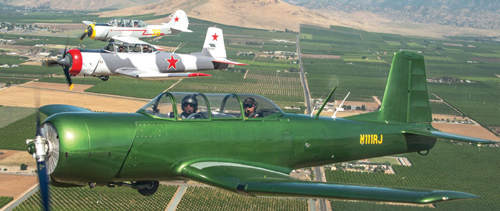 AIAA operates a fleet of 38 FAA-certified aircraft, including Cessna 172 Skyhawks, Cessna 150s and 152s, Piper Turbo Arrows, multi-engine Piper Seneca IVs, Beechcraft Duchesses and Remos light-sport aircraft. Over its history the academy has logged over 200,000 accident-free flight hours, a testament to rigorous training, disciplined operations and a spotless 13-year safety record.
Supporting this is JetEXE Aviation, an FAA-certified Repair and Overhaul (MRO) station in California. Students gain hands-on exposure to aircraft maintenance, engineering systems and structural design, learning how aircraft are built, maintained and certified—skills highly valued by airlines and government operators.
Selective Admission for High-Potential Pilots
Admission to AIAA is intentionally selective. Nearly half of all applicants are screened out through rigorous interviews and aptitude testing to identify candidates with not only technical potential but the mindset and discipline required to thrive in high-stakes aviation. Those admitted follow a structured, high-accountability training program tailored to their career goals.
-
What separates pilots who qualify from those who lead? It’s discipline, a safety-first mindset and critical thinking developed from day one. AIAA embeds these qualities into every aspect of training.
Scenario-Based, Leadership-Focused Training
AIAA emphasizes scenario-based coaching, teaching students how to make critical decisions under pressure. From Upset Prevention and Recovery Training to Instrument Proficiency Checks and Biennial Flight Reviews, students develop professional judgment and confidence.
Each training plan is personalized, accounting for learning style, pace and objectives. Whether pursuing a Private Pilot License, Commercial Pilot License or Airline Transport Pilot pathway, the curriculum combines technical mastery with leadership development.
Instructor Development and Professional Culture
Unlike many schools that rely on transient instructors, AIAA has developed its own certified flight instructors in-house. Candidates are selected for technical proficiency, communication skills and the ability to model the discipline and professionalism expected of airline captains. This ensures the teaching culture mirrors the same high standards applied to students.
Global Standards and Career Readiness
AIAA aligns its programs with FAA, EASA, DGCA and CAAC standards, preparing students for careers worldwide. International cadets receive full support—including visa assistance, ESL tutoring, housing and radio licensing for their home countries.
Integration with sister companies—JetEXE Aviation (MRO), Jet X Aviation and Landfair—provides hands-on, cross-disciplinary exposure to maintenance, engineering and aircraft systems. This systems-level perspective sharpens technical instincts and reinforces a professional mindset, preparing pilots to operate safely in any environment.
Accessible Training, Flexible Financing
To ensure talent isn’t restricted by financial barriers, AIAA offers flexible financing, including low-interest loans, pay-as-you-go plans, deferred payments, scholarships and GI Bill benefits. Discipline, skill and commitment—not finances—determine who succeeds at AIAA.

