
Special education schools are becoming increasingly important within modern educational and economic frameworks as institutions seek to create inclusive learning environments that support long-term social and workforce participation. These schools provide structured educational services for students with diverse learning, developmental, and behavioral needs while also contributing to broader economic objectives through specialized training and skill development.
Top Special Education Schools 2026
Special education schools provide structured learning environments for students with diverse academic and developmental needs. With a focus on individualized instruction, therapeutic support, accessibility planning and student confidence, they support stronger learning progress and more inclusive educational outcomes.
Solutions
The Harbour School
Learning Built Around the Child
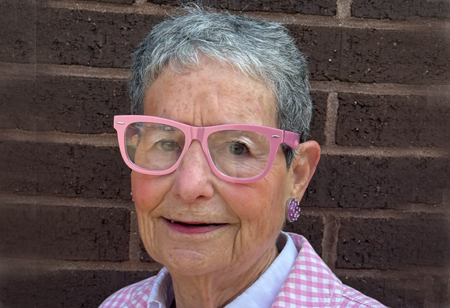
Linda J. Jacobs, Executive Director
Every child learns differently, and effective education begins by recognizing those differences. As it enters its 45th anniversary year, The Harbour School continues to put the needs of each child first, through a student-centered, competency-based teaching approach.
State of Industry
Leadership Perspective

Twin Rivers Unified School District
The Sound Of Learning: How Listening and Frequency Support Emotional Regulation
Joy Davis, Director of Special Education
Through this article, Davis highlights the need to redefine listening as an active process essential for learning and emotional regulation. She advocates for using frequency-rich sound environments to stimulate brain development, emphasizing sound’s role in enhancing language, attention and connection.
Special Education Schools Info
Q1
What Do Top Special Education Schools Do?
Top Special Education Schools provide individualized learning environments for students with diverse learning, developmental, behavioral, physical and communication needs. They combine specialized instruction, therapeutic support and adaptive teaching strategies to help students build academic, social and life skills. Rather than following a one-size-fits-all approach, Top Special Education Schools tailor education to each student's strengths, challenges and long-term development goals.
Q2
What Services Do Special Education Schools Typically Provide?
Top Special Education Schools often offer individualized education plans, speech and language therapy, occupational therapy, physical therapy, behavioral support, counseling and assistive technology where appropriate. Many schools also provide transition planning, social skills development, family engagement and extracurricular opportunities that encourage confidence, independence and meaningful participation both inside and outside the classroom.
Q3
Why Is Demand for Top Special Education Schools Growing?
Demand for Top Special Education Schools continues to grow as awareness of diverse learning needs increases and families seek educational settings that provide personalized support. Earlier identification of learning differences, greater understanding of neurodiversity and stronger emphasis on inclusive educational outcomes have encouraged more parents and caregivers to explore schools that can deliver specialized instruction alongside emotional and social development.
Q4
How Are Top Special Education Schools Evaluated?
Parents and caregivers often evaluate Top Special Education Schools based on the expertise of educators, student-to-teacher ratios, individualized learning approaches, therapeutic resources, communication with families and evidence of student progress. Schools are also assessed on how well they create safe, supportive environments that encourage independence, confidence and meaningful academic growth while addressing each student's unique needs.
Q5
How Do Top Special Education Schools Benefit Students and Families?
Top Special Education Schools create value by helping students develop academic abilities, communication skills, emotional resilience and everyday independence at a pace suited to their individual needs. Families also benefit from consistent collaboration with educators, therapists and support staff, creating a coordinated approach that strengthens learning at school and reinforces progress at home while improving overall quality of life.
Q6
What Role Do Innovation and Specialized Expertise Play in Special Education Schools?
Innovation and professional expertise are central to Top Special Education Schools. Many schools incorporate evidence-informed teaching methods, adaptive learning technologies, sensory-friendly environments and multidisciplinary support teams to enhance learning experiences. Continuous staff development, individualized assessment and collaborative care enable schools to respond effectively to changing student needs while supporting long-term educational and personal success.

Get the best of Education Insider delivered directly to you.
