
Children's development in early school years is a key function of public elementary schools. It offers students opportunities for structured learning and practice that give them the knowledge they need in school, social skills, and a sense of confidence needed for future success.
Top Public Elementary Schools 2026
Public elementary schools provide tuition-free foundational education for young learners. With a focus on literacy growth, classroom confidence, student support and family engagement, they support stronger early learning and steady academic development.
Solutions
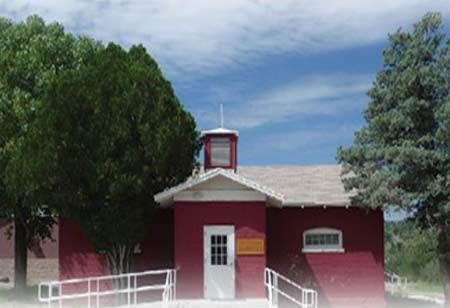
Santa Cruz Elementary District 28
A Century of Learning and the Future of Possibility
Kathy Romero, Superintendent and Principal
When a former student returns to Santa Cruz Elementary District 28, known as Little Red School, as a teacher, more than a century of school history becomes personal. This year, Little Red welcomed a new middle school social studies teacher who once attended the school himself. His return offers a glimpse into what has allowed the Nogales, Arizona, public school to remain connected to generations of students and families since it began as a one-room school in 1921.
State of Industry
Leadership Perspective

Robbinsdale Area Schools
Leading Through Relationships: The Foundation of Meaningful Learning and Lasting Change
Bridget (Hall) Dooley, Principal Northport Elementary School
Leading through Relationships and Social-Emotional Learning
The experiences that have most shaped my approach to leading curriculum, instruction and social-emotional learning (SEL) initiatives have been those that required balancing academic excellence with the socialemotional needs of both students and educators. Through implementing SEL programs, supporting teachers through change, and responding to the diverse needs of learners, I have come to believe that meaningful and sustainable improvement begins with relationships.
Public Elementary Schools Info
Q1
What Makes a Public Elementary School Effective?
Public elementary schools help children build the academic, social and personal skills they need for future learning. Top Public Elementary Schools combine strong instruction in reading, mathematics and other core subjects with individual attention and a supportive school environment. Teachers monitor student progress, identify learning difficulties and provide additional guidance when needed. Effective schools also encourage curiosity, responsibility and positive relationships. By recognizing that children learn at different paces, educators can help students develop confidence while establishing the foundations for continued academic growth.
Q2
Which School Was Recognized as a Top Public Elementary School in 2026?
Education Insider recognized Santa Cruz Elementary District 28, known as Little Red School, as the Top Public Elementary School 2026. Located in Nogales, Arizona, the school has served its community since 1921. Today, it provides kindergarten through eighth-grade education while maintaining a close-knit learning environment. Under Superintendent and Principal Kathy Romero, the school emphasizes individualized instruction, academic achievement, character development and strong relationships between teachers, students and families.
Q3
Why Are Families Seeking Public Elementary Schools That Offer Individual Attention?
Families increasingly value schools that recognize children's different academic abilities, interests and developmental needs. Top Public Elementary Schools provide opportunities for teachers to identify learning gaps early and adjust instruction accordingly. Smaller learning environments can make it easier for educators to follow student progress and communicate with families. Parents also look for schools that support emotional well-being, positive behavior and a sense of belonging. These qualities help children feel comfortable asking questions, overcoming difficulties and participating actively in classroom learning.
Q4
What Should Parents Consider When Choosing a Public Elementary School?
Parents should evaluate teaching quality, academic programs, student support services, school culture and family involvement. Top Public Elementary Schools should provide clear learning expectations while accommodating children who need additional academic assistance or enrichment. Access to reading specialists, special education services and social-emotional support can be particularly valuable. Families should also consider teacher continuity, classroom communication and opportunities for students to participate in activities beyond academics. A strong school environment should help children feel supported, challenged and connected to their community.
Q5
What Qualities Supported the 2026 Public Elementary School Recognition?
At Santa Cruz Elementary District 28, every student is known as an individual, and teachers hold them to high academic and behavioral standards. The school has retained nearly 99 percent of its employees over the past five years, allowing students and families to build lasting relationships with educators. Teachers regularly look at assessment results and classroom performance to see where students are doing well and where they need extra help. Experienced specialists in reading, gifted education and special education provide additional support. Alongside academics, the school's Choose Love program teaches students the importance of courage, gratitude, forgiveness and compassion. A four-day school week with longer instructional days, together with active community involvement, shapes the school's approach to education. Throughout their K–8 years, students benefit from familiar teachers, consistent guidance and a school community that knows them well.
Q6
How Are Technology and Personalized Learning Improving Elementary Education?
Technology helps teachers identify learning needs, provide targeted practice and monitor academic progress. Top Public Elementary Schools use digital learning platforms, classroom devices and assessment tools to complement traditional instruction. These resources can help educators adapt lessons for students who need additional support or more challenging activities. However, technology works best when combined with direct teaching and meaningful student relationships. Personalized learning depends on educators interpreting information, recognizing individual strengths and responding thoughtfully to each child's progress.

Get the best of Education Insider delivered directly to you.
