Private Christian Schools

Private Christian schools provide faith-based education that combines academic instruction with spiritual development. With a focus on curriculum quality, character formation, student support and values-centered learning, they support stronger academic growth and deeper personal development.

Suncoast Christian Academy: Rising Leaders Through Faith and Community
Suncoast Christian Academy
Rising Leaders Through Faith and Community
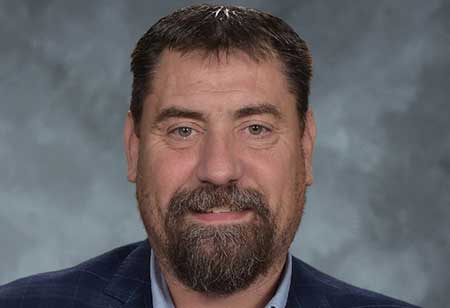
Dr. Jaqua’ Hunte, Principal
Growth frequently transforms schools. While increased enrollment can lead to broader programs, more opportunities, and greater resources, it can also complicate the close-knit relationships that families cherish. Suncoast Christian Academy (SCA) has been managing that balance for nearly three decades. Starting in 1997 as an outreach of Suncoast Church of Christ with just one teacher and one student, it has evolved into a vibrant Christian school serving over 100 students. Recognized as the Top Private Christian School, the school continues to build on a legacy of academic excellence, faith, and community.

Innovative Pathways: Elevating Educational Standards in Private Christian Institutions

For a long time, education has been viewed as both a community service and an economic industry. Effective planning can create long-term value for the community. In this context, private Christian schools have been receiving attention from parents who want to enroll their children in schools where education is taught alongside the principles of their faith and character formation.

Leading Academic Learning with Perspective and Purpose
Wilbraham & Monson Academy
Leading Academic Learning with Perspective and Purpose
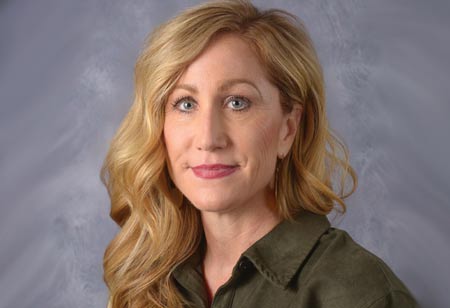
Melissa Earls, Associate Head of School

There is no prescribed path to academic leadership. In my own experience, the opportunity to serve across the full pre-kindergarten to Grade 13/postgraduate continuum has been a defining influence on my leadership style and decision-making process.

Private Christian Schools Reconsider Enrollment Strategies as Families Weigh Education Choices

Wednesday, August 12, 2026

A decision about where a child will attend school often begins with more than academics. For families considering private Christian schools, the choice frequently involves questions about values, classroom environment and the type of community they want their children to experience. Schools are finding that enrollment decisions are shaped by a wider set of expectations than simply comparing tuition and course offerings. Private Christian schools have always been about teaching kids with faith in mind. Now they need to make it clear what they are all about. This is because families are looking at ways to educate their kids, and they want to know how schools help kids learn and grow. Parents want to know how schools keep kids on track with their schoolwork and make sure they are in a place to learn a place that is okay with their family values. When families are looking at schools, they do not just look at papers and websites. They also want to talk to the people in charge of the school, meet the teachers and see what the school is like when they visit. These things can help parents decide if a school is right for their kid. So the people who run the schools need to be good at telling people what they do. A private Christian school needs to say what they do in the classroom and how they use faith to teach kids every day. They cannot just say what they believe in, they need to show it. Parents also want to know that their kids will get an education. They want to be sure that their kids will learn a lot and be in a place that follows values. Schools need to show parents that they can do both, that they can help kids learn and help them be people. There are a lot of schools that families can choose from, like schools and other private schools. So private Christian schools need to be different in a way. They need to show families that they care about the kids and their families, not about the buildings. This is a deal for families when they are choosing a school. They like it when their kids can get a lot of attention from teachers and be in classes. Schools need to keep doing this even when they get more kids, because if they get too big, it can change what families like about them. Private Christian schools need to keep being a community, a place where kids and families feel like they belong. Retention has become another important consideration. Bringing new students into a school is only part of the challenge. Maintaining trust with families over multiple years requires consistent communication, dependable teaching and a school culture that reflects the expectations presented during the enrollment process. Private Christian schools are also navigating changes in how families research education choices. Parents increasingly gather information before contacting schools, making online communication and digital resources part of the first impression. Schools that clearly explain their programs may have an advantage when families begin comparing options. The future enrollment picture for private Christian schools will likely depend on how effectively they connect their educational mission with the practical concerns of families. Academic quality, affordability and community experience will continue to influence decisions. For school leaders, understanding what families value most may be as important as attracting new applicants.

Private Christian Schools Face Growing Pressure to Balance Resources and Educational Priorities

Wednesday, August 12, 2026

Maintaining a private school requires more than attracting students. Private Christian schools must manage financial decisions, staffing requirements, and facility needs while protecting the educational experience families expect. The balance between available resources and school priorities remains a constant consideration for administrators. Private Christian schools are different from schools because they do not get money from the government. They have to rely on the money they get from tuition and other kinds of support. This means that the number of students they have affects how much money they have for things like classrooms and teachers. When it comes to tuition, private Christian schools have to make some decisions. They have to figure out how much to charge so that they have money to provide a good education, but not so much that it is hard for families to afford. The cost of things like teachers and supplies can go up, which can make it hard for schools to balance their budgets. If they raise tuition much it might affect how many students they have. Private Christian schools also have to be careful about who they hire to teach. Teachers are very important to the students in small schools where teachers and students can get to know each other well. To get and keep teachers, schools have to pay them well and make sure they have good working conditions. If a school has a lot of teachers coming and going it can be hard for students and their families. Private Christian schools need to try to keep their teachers from year to year so that students can have some stability. This means that the people in charge of the school have to plan and think about what they will need in the future. The buildings and equipment at Christian schools are also important. Schools have to take care of their classrooms and technology. They have to do it all with the money they have. Sometimes they have to make decisions about how to spend their money and this can affect other parts of the school. Private Christian schools have to make some choices about how to use their money. They have to think about what's most important for their students and what will help them learn the most. They also have to think about the things they need to run the school. A lot of Christian schools get help from their communities. Families and other people who care about the school might give them money to help with projects. This can be a help, but schools cannot always count on getting the same amount of help every year. Private Christian schools have to be careful and make sure they are using their money in the most effective way possible. Private Christian schools have to think about Christian education and how they can make it the best it can be. Financial planning has therefore become an important part of school leadership. Administrators must consider current needs while preparing for future expenses. Decisions about hiring, facilities and programs often require a longer view because changes in one area can affect the entire school community. Technology has brought a level to planning resources. Schools need to think about tools and learning materials while making sure that technology investments help education goals instead of just being costs with no real benefits, in the classroom. Private Christian schools continue to operate within a careful balance between mission and management. Their ability to maintain educational quality depends on making practical decisions about resources while preserving the elements that define their communities. Financial sustainability remains closely connected to how effectively schools manage these competing priorities.

Private Christian Schools Examine Their Role as Families Seek Broader Educational Experiences

Wednesday, August 12, 2026

Questions about education are increasingly extending beyond academic performance. Families are thinking about how schools affect the way students grow and learn. Schools play a role in teaching students to be responsible for themselves. Families want to know if schools help students get involved in their communities. Schools have a lot to do with student development and community involvement. Private Christian schools continue to define their role by connecting classroom learning with faith-based principles and a broader educational experience. The way a Christian school is seen is often decided by how much faith is shown in daily life at school. This can be seen in what students talk about in class, what they do outside of class and how teachers and families interact with each other. A lot of schools want to make a place where what they believe is shown in everything they do, not just in certain classes. What they teach is a part of this. Private Christian schools have to figure out how to teach all the required subjects while also teaching from a faith perspective. This means teachers have to think about how they teach what they talk about in class and how students learn about different things. Teachers are very important in making this work. They do more than just teach because they also help make the school culture. This is why it is important to choose the teachers and train them well so that everything is consistent throughout the school. What students do outside of class is also a part of who the school is. Things like sports, helping others and school events can make students, families and the school community closer. These things are often what families think of when they think of Christian schools. Schools also have to deal with what students and parents want, and that is always changing. Families like tradition, but they also want their kids to be ready for a world that is always changing and where they have to work with all kinds of people. Private Christian schools have to figure out how to stay true to who they are while also helping students get ready for new things. Communication has become increasingly important in this process. Schools need to explain how their educational philosophy translates into daily experiences. Parents evaluating private Christian education often want practical examples of how values are reflected in teaching, student relationships and school culture. The community is really important for private Christian schools. A lot of families pick these schools because they want their home and school to be connected. To make this work, the school and the family have to keep talking and make sure they agree on what they want. Private Christian schools also have to think about whether they will be relevant in the long run. They need to keep helping families who want their kids to learn about faith. They also have to change with the times and listen to what the community needs from them. Private Christian schools have to do this to stay relevant. The future of private Christian schools may depend on their ability to maintain a clear educational identity while responding thoughtfully to the concerns of modern families. Their challenge is not only preserving tradition but also demonstrating how that tradition supports students as they prepare for the next stages of their education and lives.

Private Christian Schools Info

Q1
What Makes Top Private Christian Schools Different from Other Educational Options?
Top Private Christian Schools combine strong academics with faith-based education, helping students grow intellectually, spiritually and personally. Many schools integrate biblical principles into classroom learning, leadership opportunities, athletics, fine arts and everyday interactions rather than limiting Christian values to chapel services. Families often choose Private Christian Schools because they want an environment that encourages academic excellence alongside character development, personal responsibility and a lasting commitment to Christian education.
Q2
What Educational Programs and Student Experiences Do Private Christian Schools Typically Offer?
Most Top Private Christian Schools provide a balanced education that extends well beyond core academics. Private Christian Schools commonly offer athletics, fine arts, clubs, service projects, leadership opportunities and spiritual growth programs that complement classroom learning. Smaller class sizes and individualized instruction are also common, allowing teachers to better support each student's progress. Together, these experiences promote academic excellence, strengthen character development and prepare students for college, careers and lifelong learning through Christian education.
Q3
Why Is Demand for Private Christian Schools Continuing to Grow?
Many families are turning to Top Private Christian Schools because they want an education that reflects their values while maintaining high academic standards. Private Christian Schools often provide a supportive learning community, consistent expectations for student behavior, engaged teachers and meaningful opportunities for spiritual growth. Parents also appreciate schools that encourage close partnerships between educators and families. Growing interest in Christian education reflects a desire for learning environments that support both academic success and personal growth.
Q4
How Should Families Evaluate Top Private Christian Schools?
Choosing among Top Private Christian Schools involves looking beyond rankings or tuition costs. Families should compare curriculum, faculty experience, class size, student support services, extracurricular opportunities and the school's approach to faith-based education. It is also helpful to review college preparation programs, parent communication, campus culture and opportunities for leadership and community service. Visiting Private Christian Schools, meeting teachers and speaking with administrators can provide valuable insight into whether a school is the right fit for a family's goals.
Q5
How Do Private Christian Schools Benefit Students Beyond the Classroom?
The impact of Top Private Christian Schools reaches well beyond academics. Students in Private Christian Schools often build leadership skills, ethical decision-making abilities and a commitment to serving others. Participation in athletics, clubs, worship and community service helps strengthen confidence, teamwork and responsibility while encouraging students to live out Christian values in everyday situations. These experiences support personal growth and prepare graduates for future educational, professional and community responsibilities.
Q6
What Role Do Innovation and Teaching Excellence Play in Private Christian Schools?
Today's Top Private Christian Schools continue to blend the traditions of Private Christian Schools with modern teaching practices. Many incorporate educational technology, project-based learning, personalized instruction and college readiness initiatives while preserving a strong foundation in Christian education. Skilled educators adjust their teaching methods to meet the needs of different learners, ensuring innovation supports meaningful learning without losing the values that define a Christian school community.